
Filters
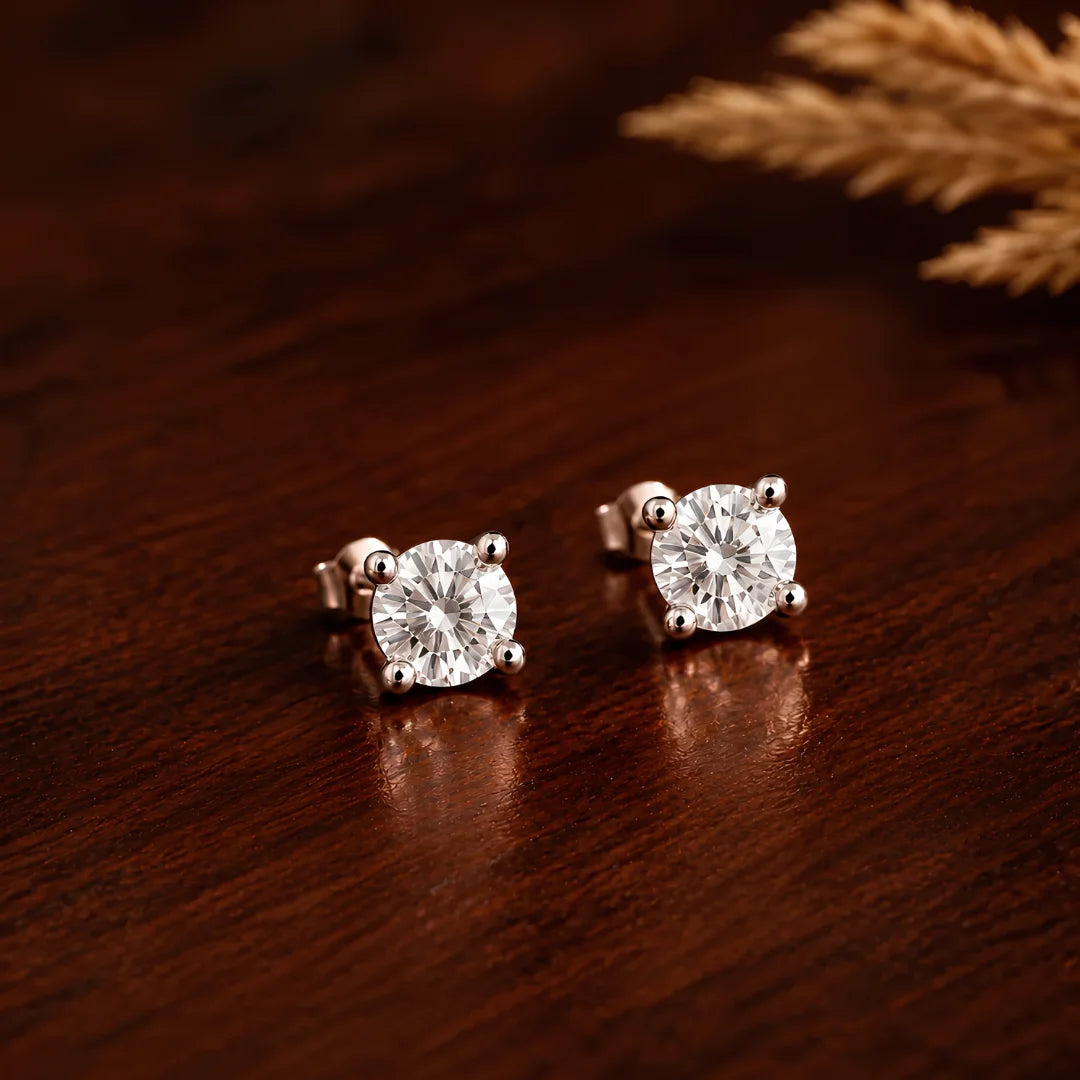

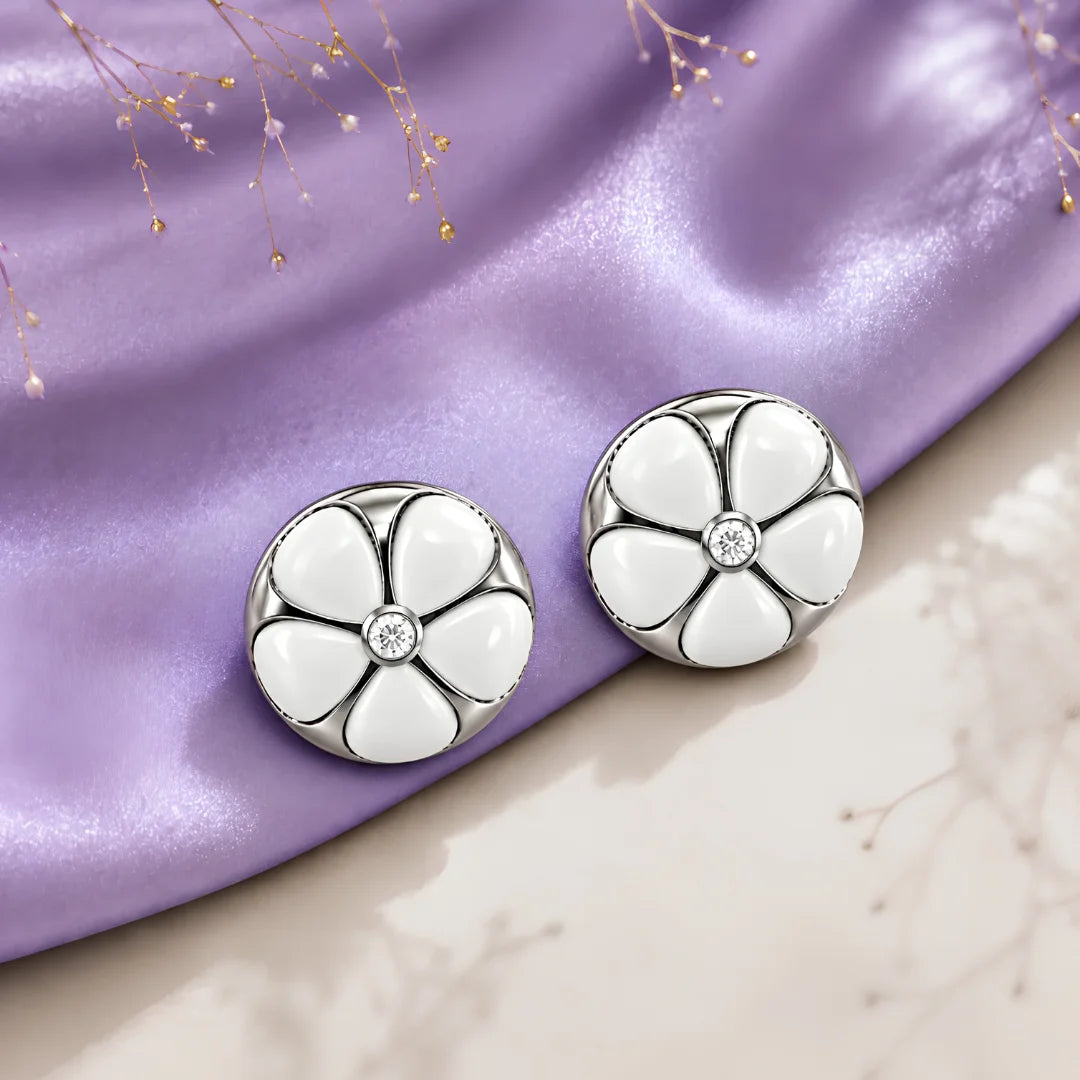

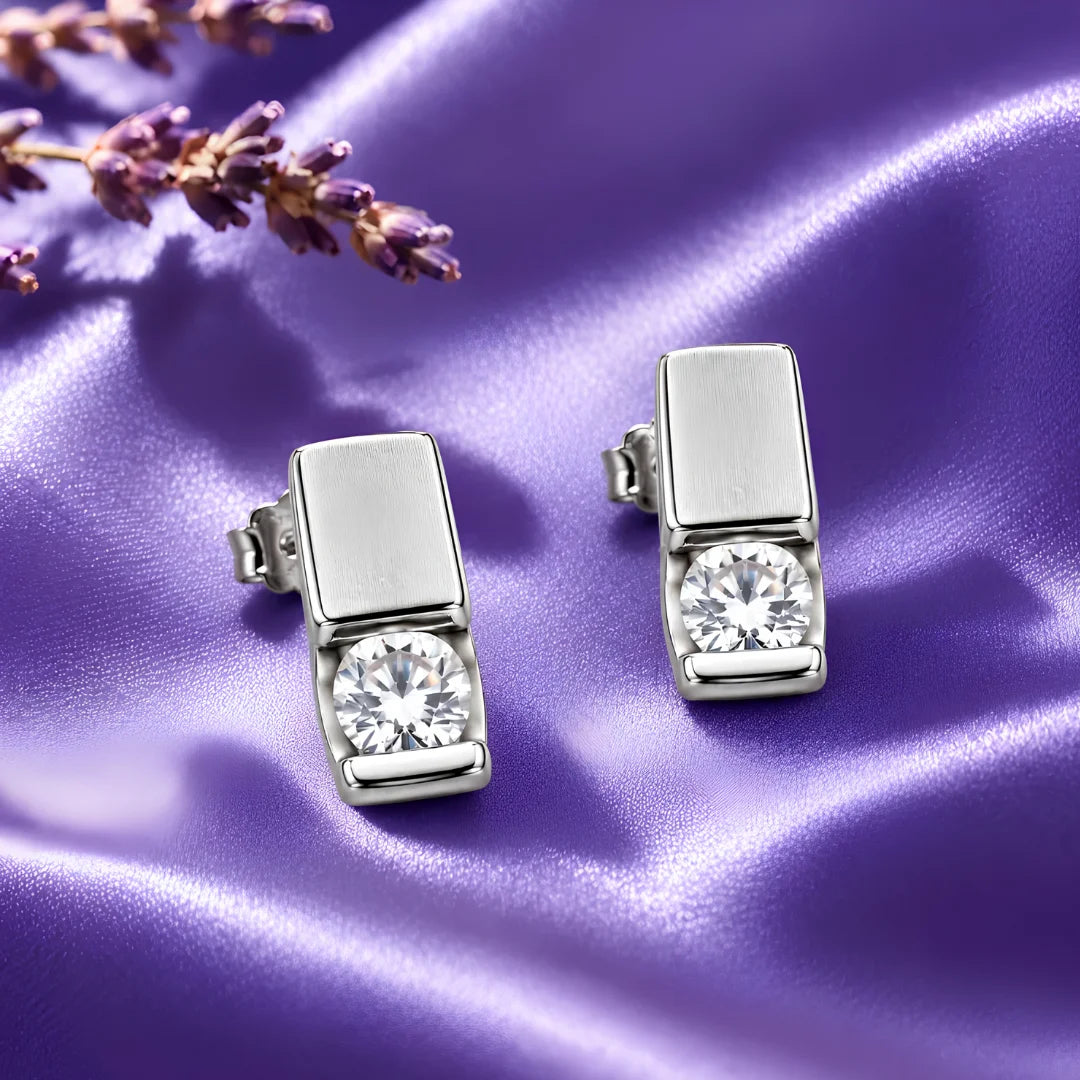
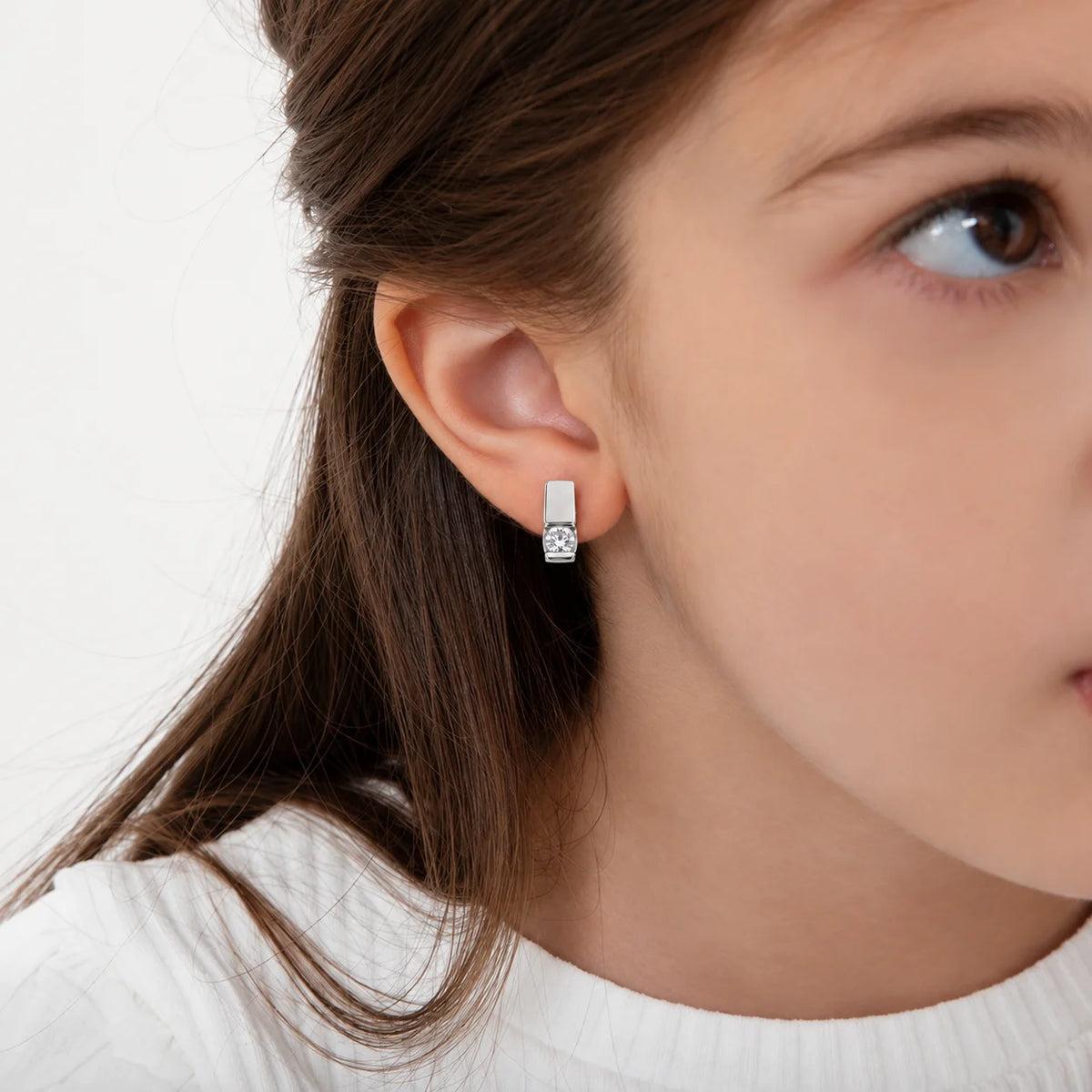


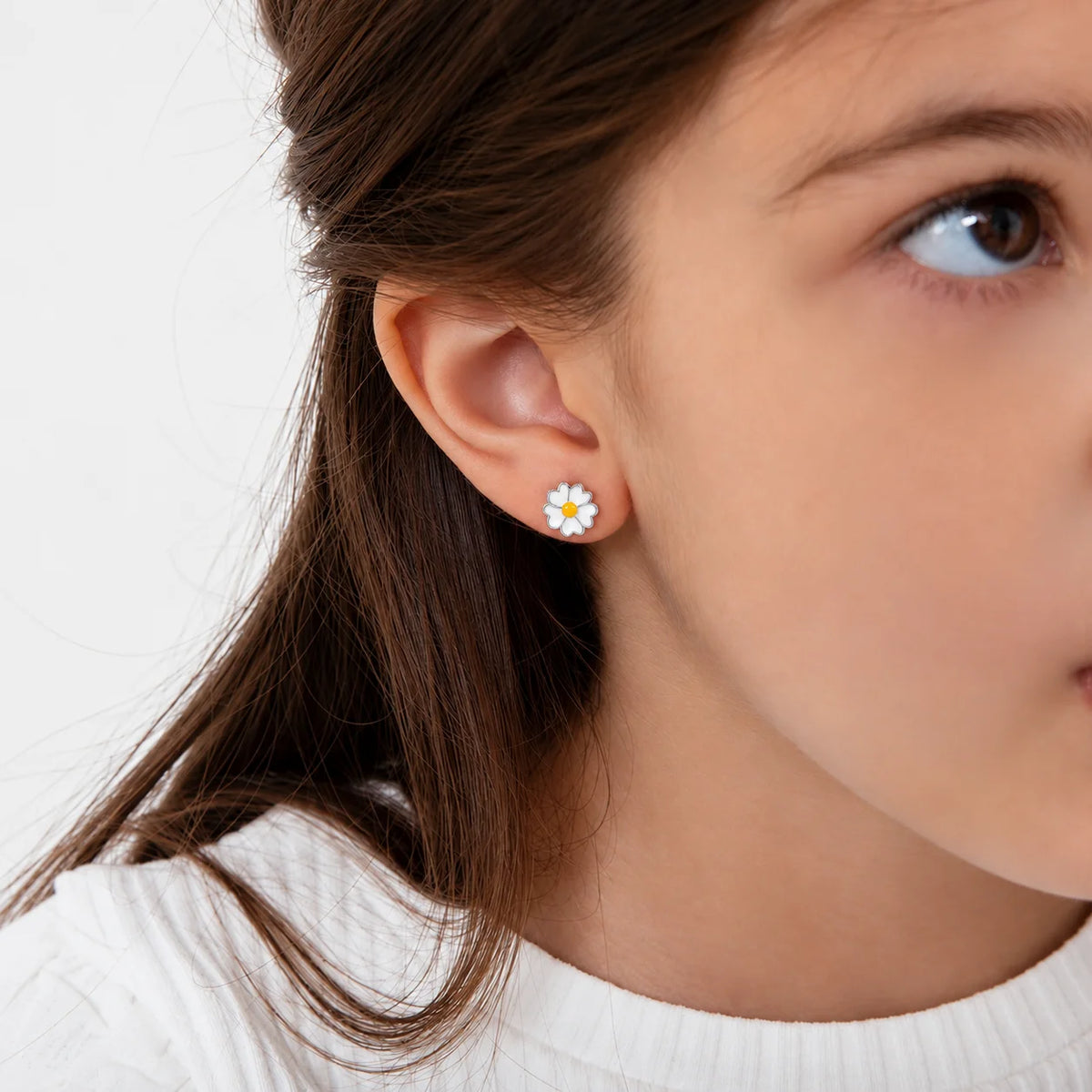


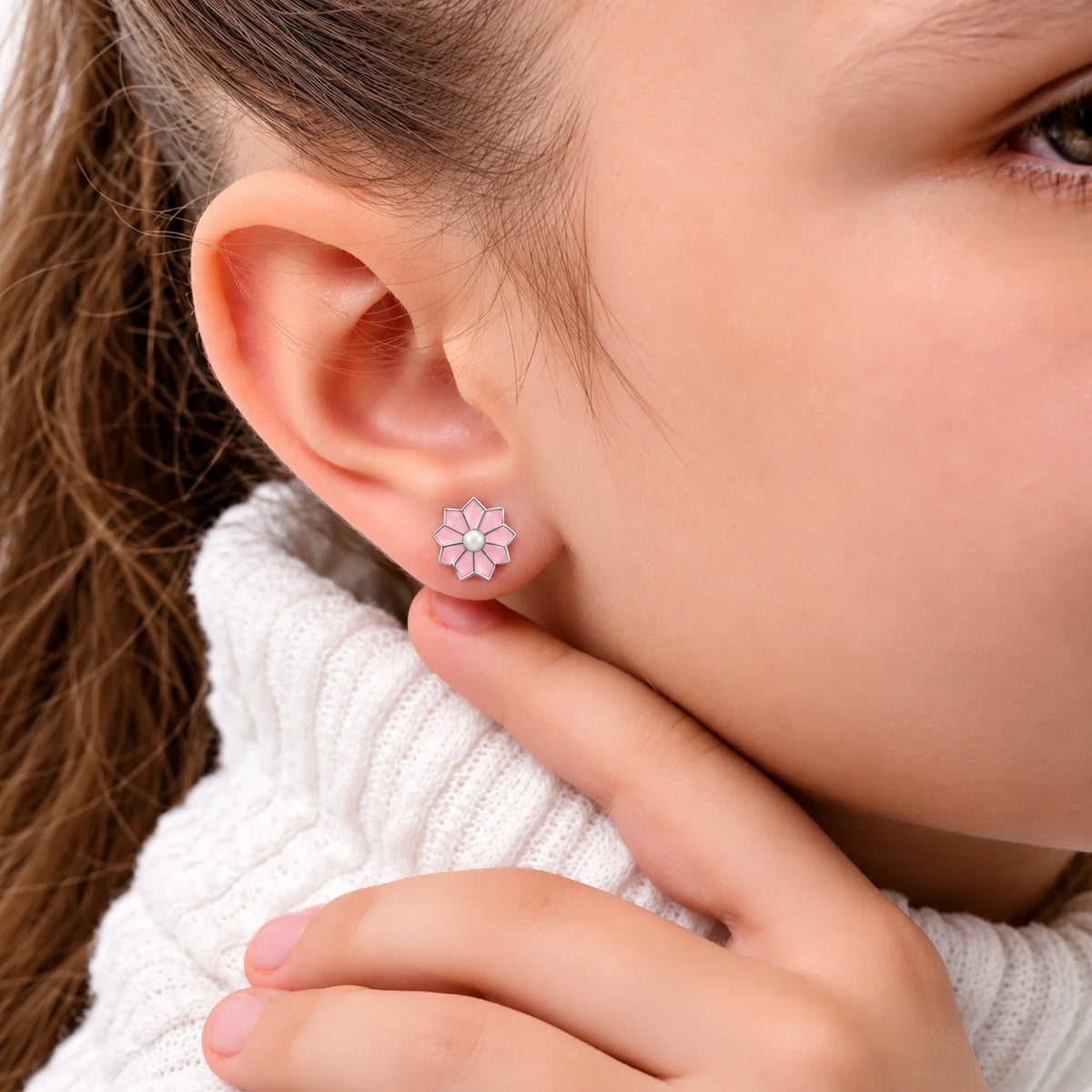






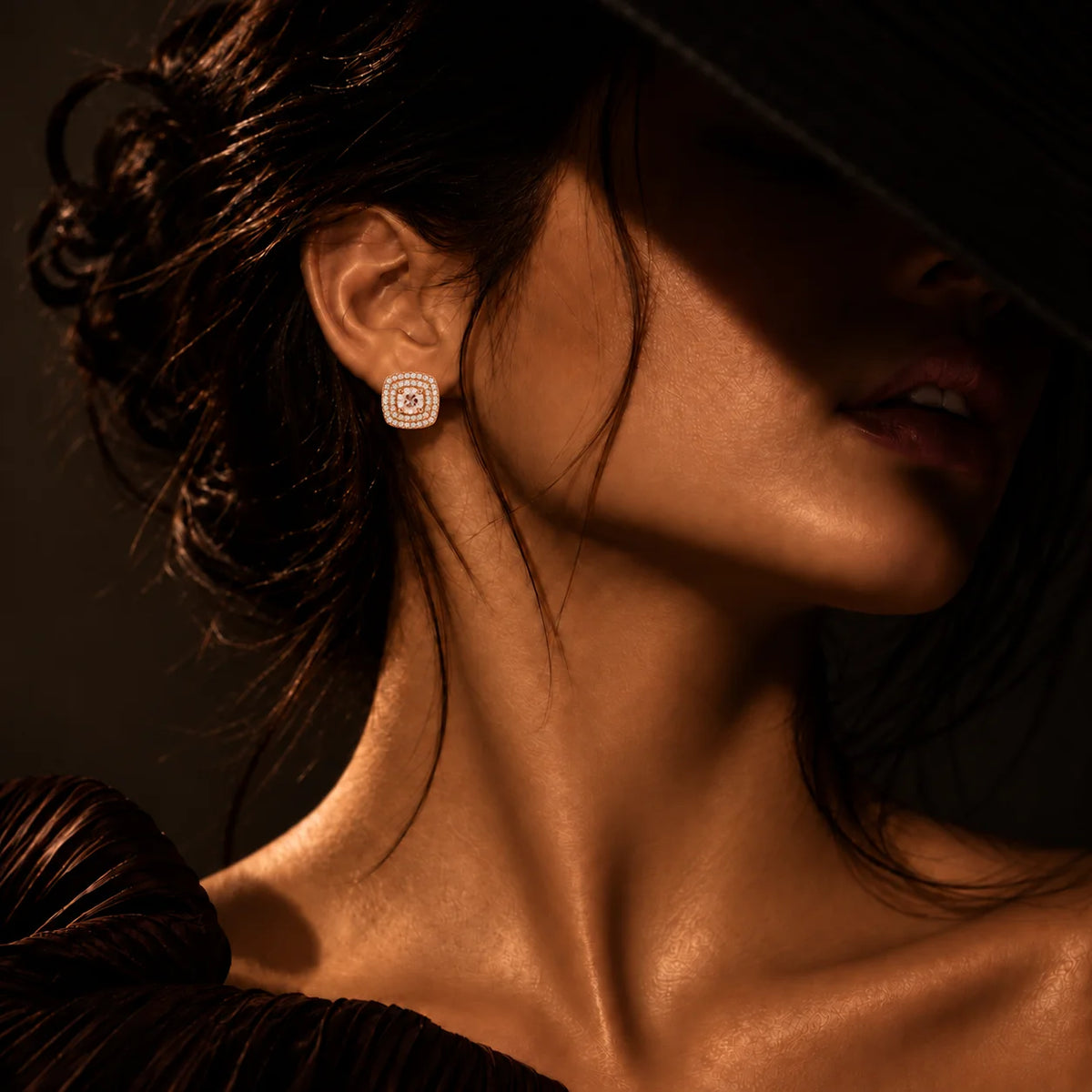


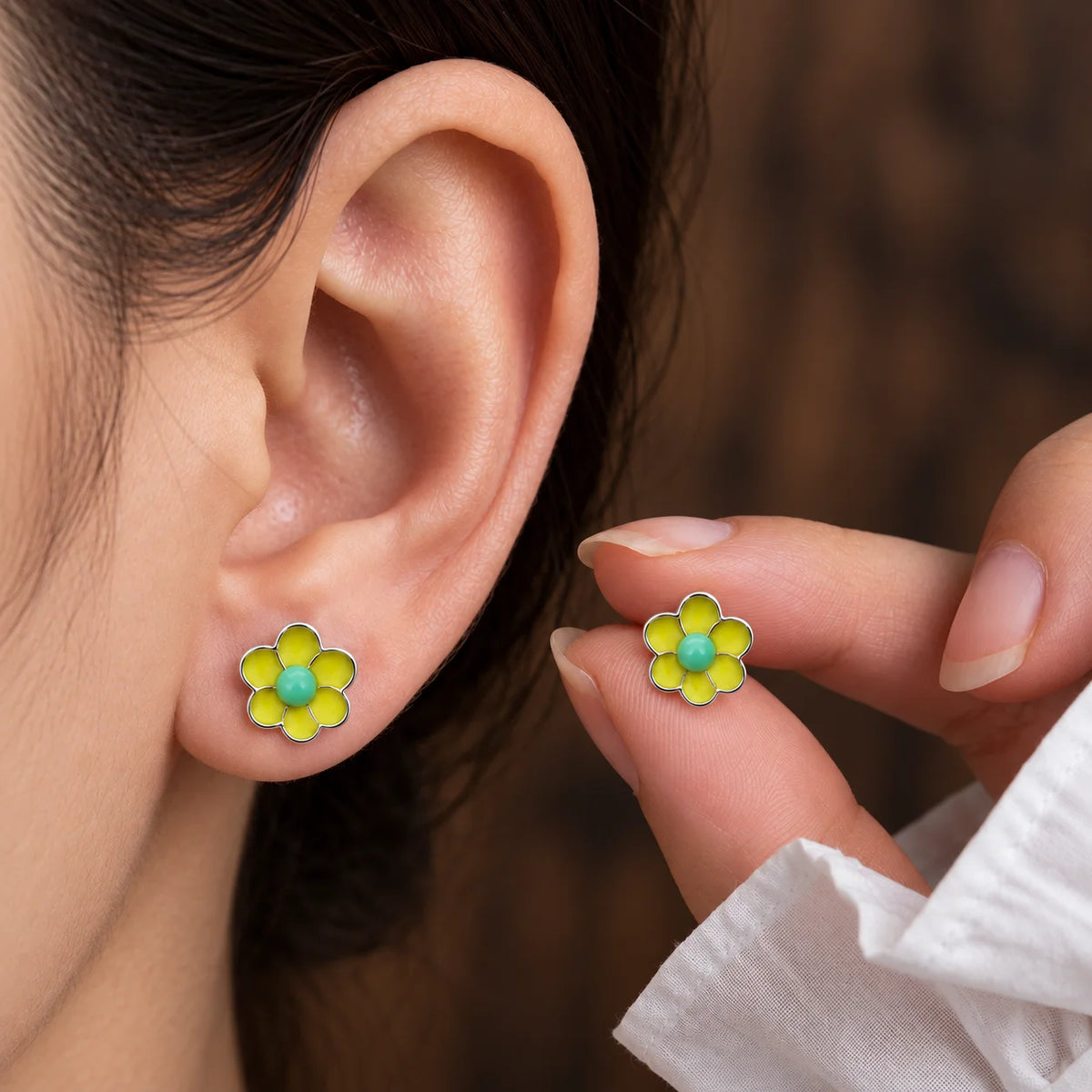
Silver stud earrings for everyday wear
A stud is judged on what you do not notice. The post should be thin enough to pass comfortably but rigid enough not to bend, the back should hold without pinching, and the weight should be low enough that the lobe does not stretch over years of wear.
Everything in this range is 925 sterling silver: 92.5% pure silver alloyed for hardness, finished to resist tarnish, and free of nickel and lead so it sits safely on reactive skin. Pieces are made and stocked in India and dispatched within 24 hours.
Which earrings suit sensitive ears?
The post is what matters, not the visible metal. It is the part inside the piercing, in contact with broken skin, and it is where reactions start. Every post in this range is 925 sterling silver with no nickel, which is the metal responsible for the large majority of jewellery allergies.
If you have reacted to earrings before, it was almost certainly nickel in a plated post rather than the silver or gold you could see. Solid sterling posts remove that variable entirely.
Studs, drops or clusters?
Studs sit flush against the lobe and disappear under hair. They survive helmets, headsets, phone calls and sleep, which is why they are the format most people own most of.
Drops move independently of the head, and that movement is what catches light - it is the reason they read as dressed-up even when the stone is small. The trade-off is that anything hanging can catch on a collar or a bag strap.
Clusters sit between the two: more surface and more sparkle than a stud, but no movement and nothing to catch.
How heavy should an earring be?
Weight is the single thing that determines whether earrings get worn twice. A heavy pair drags on the lobe within a few hours, and worn consistently over years it stretches the piercing - which does not reverse on its own.
Everyday earrings should be light enough that you forget them by mid-morning. Save weight for occasion pieces worn for an evening, where several hours of discomfort is a reasonable trade.
Looking after earring backs
Butterfly backs loosen with use; that is their nature, not a defect. The spring in the back fatigues slightly each time it is pushed on and pulled off, and after enough cycles it no longer grips.
Check them by trying to slide the back off without squeezing it. If it moves freely, replace it. Backs are inexpensive, and a loose one is how a single earring is lost.
How to choose earrings for your face and hair
Earring length interacts with hair more than with face shape. Hair worn down frames the ear and hides anything that sits flush against it, so studs effectively disappear and only drops read. Hair worn up exposes the whole ear, which is when a stud becomes visible enough to carry a look on its own.
Scale is the other practical consideration. A large stud sits close to the lobe and reads as neat regardless of face shape. A long drop draws a vertical line, which is why it tends to suit rounder faces, while a wide cluster draws a horizontal one. These are tendencies rather than rules, and the more useful test is simply whether the earring is visible at conversation distance.
For anyone with more than one piercing, the usual approach is one larger piece in the lobe and progressively smaller ones going up, so the ear reads as a composition rather than a competition.
How do you stop silver from tarnishing?
Put jewellery on last and take it off first. Tarnish is a reaction between silver and sulphur compounds in air, sweat and cosmetics, so what dulls a piece is almost never ordinary wear — it is perfume, hairspray, sunscreen, hand sanitiser and chlorine. Dressing first, spraying second and putting jewellery on last removes most of that contact in one habit.
An anti-tarnish finish slows the reaction considerably but does not stop it, and nor should it: tarnish is evidence that the metal is genuinely silver. When a piece does dull, a soft dry cloth brings it back in under a minute. Avoid toothpaste and household cleaners, which are abrasive enough to scour the polish off along with the tarnish, and avoid silver dips on anything oxidised, because they strip the darkening the design depends on.
How should silver be stored?
Dry, dark and separate. Moisture accelerates tarnish, which is why a bathroom shelf is the worst place in the house for jewellery and a bedroom drawer is among the best. Each piece should have its own pouch or compartment, because silver is soft enough to scratch silver and a drawer of loose pieces grinds against itself every time it is opened.
For anything worn rarely, a sealed bag removes the air that causes the reaction in the first place; a piece stored that way can come out a year later unchanged. Chains should be clasped before storing, since almost all tangling happens to an open chain moving loose.