
Filters



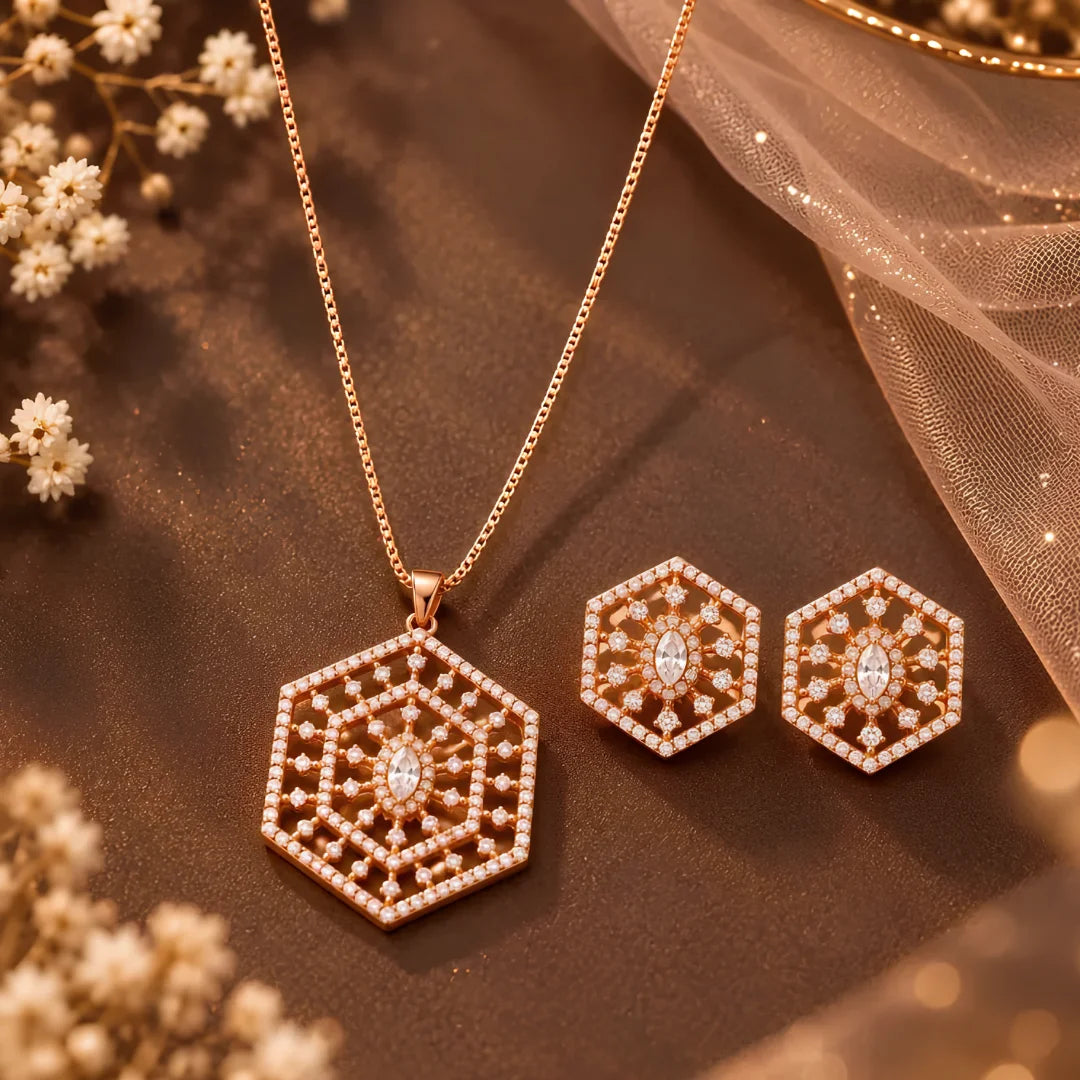


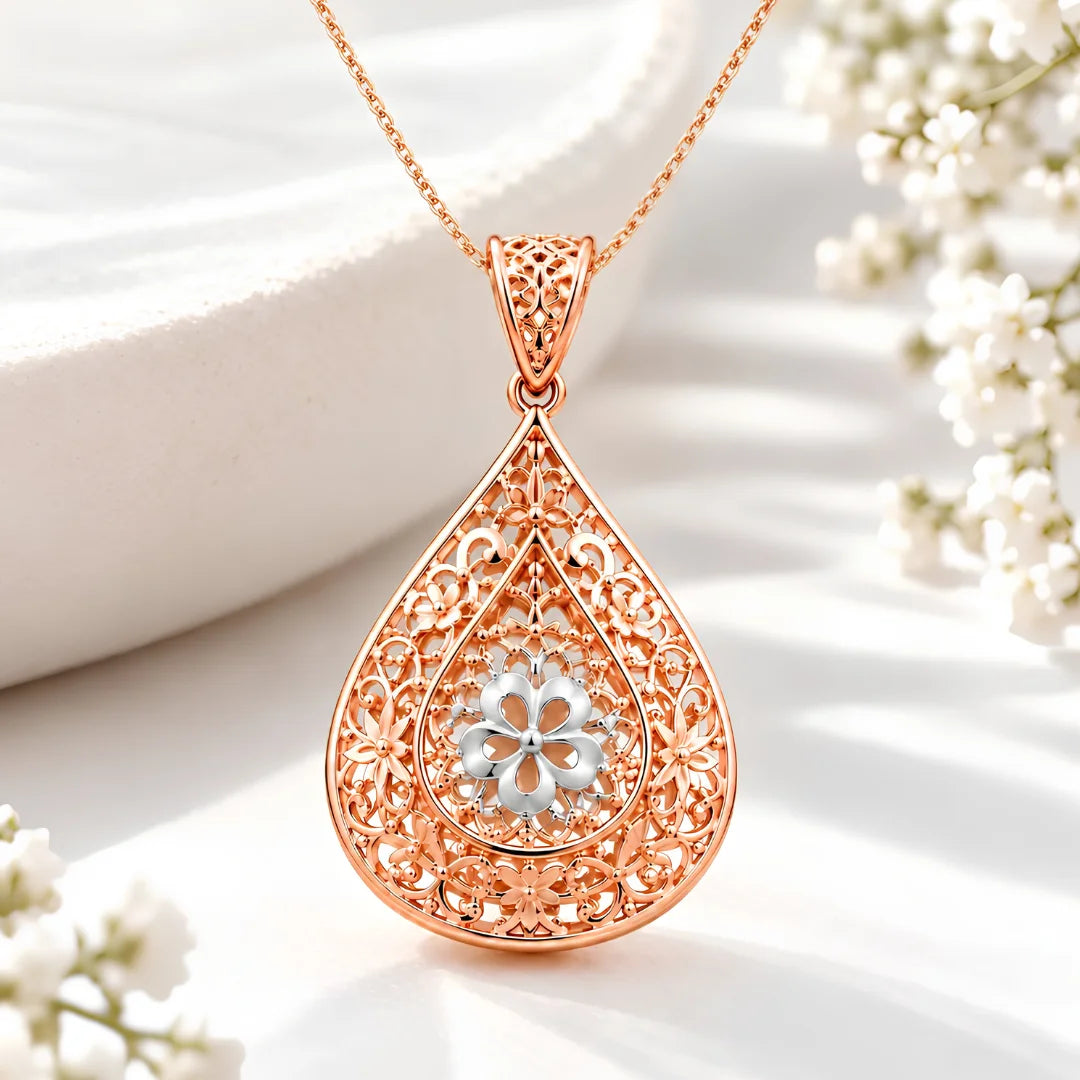

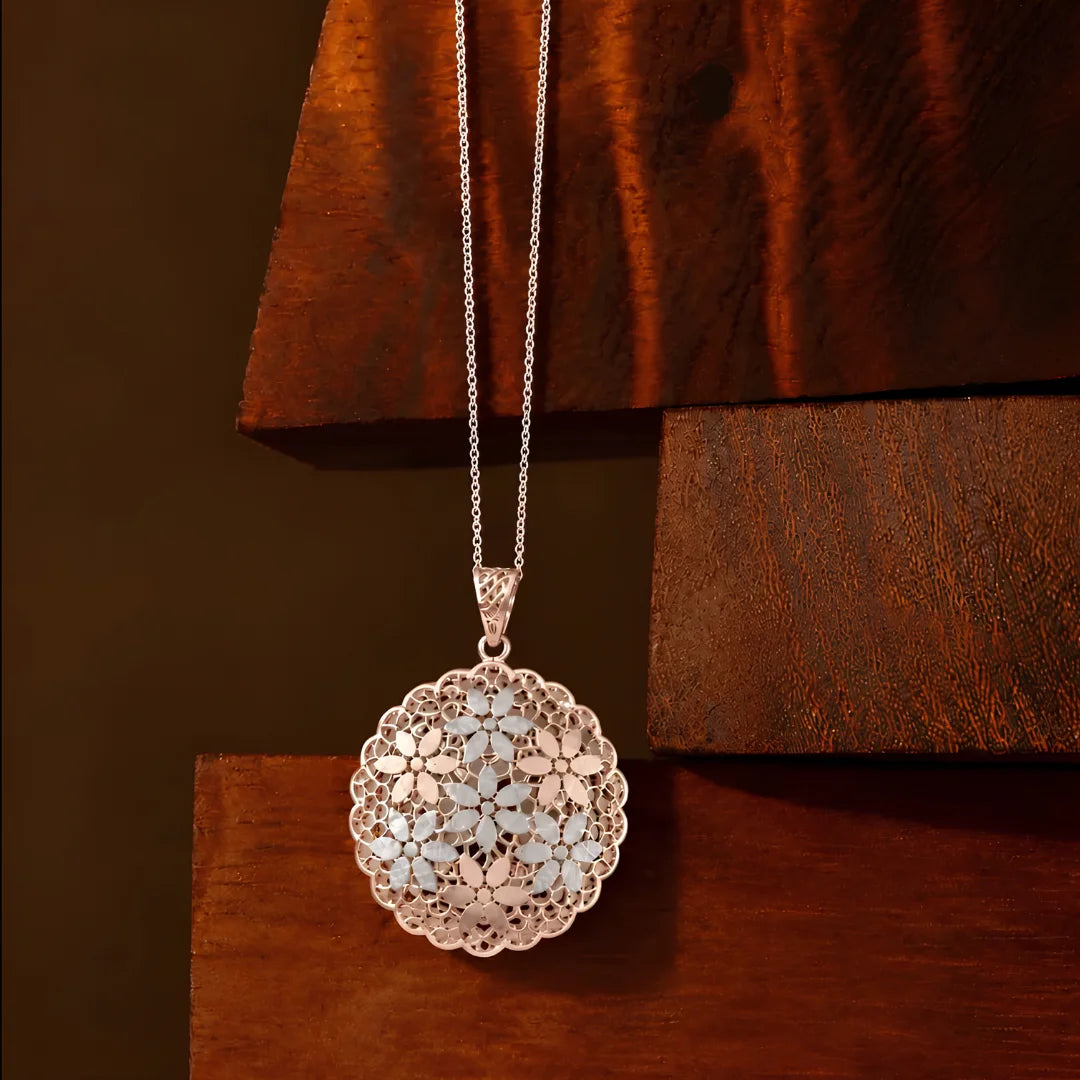

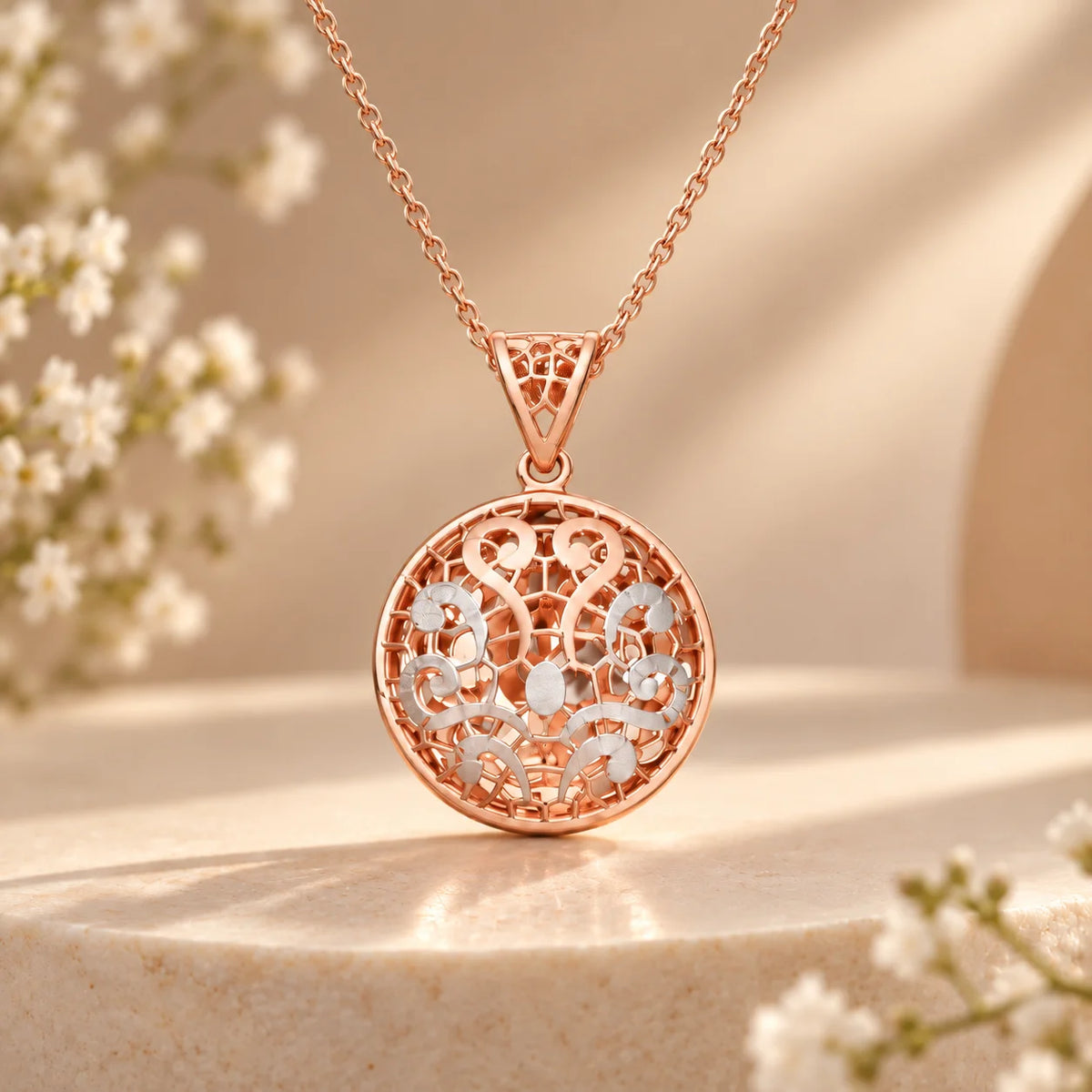







Showing 24 of 39
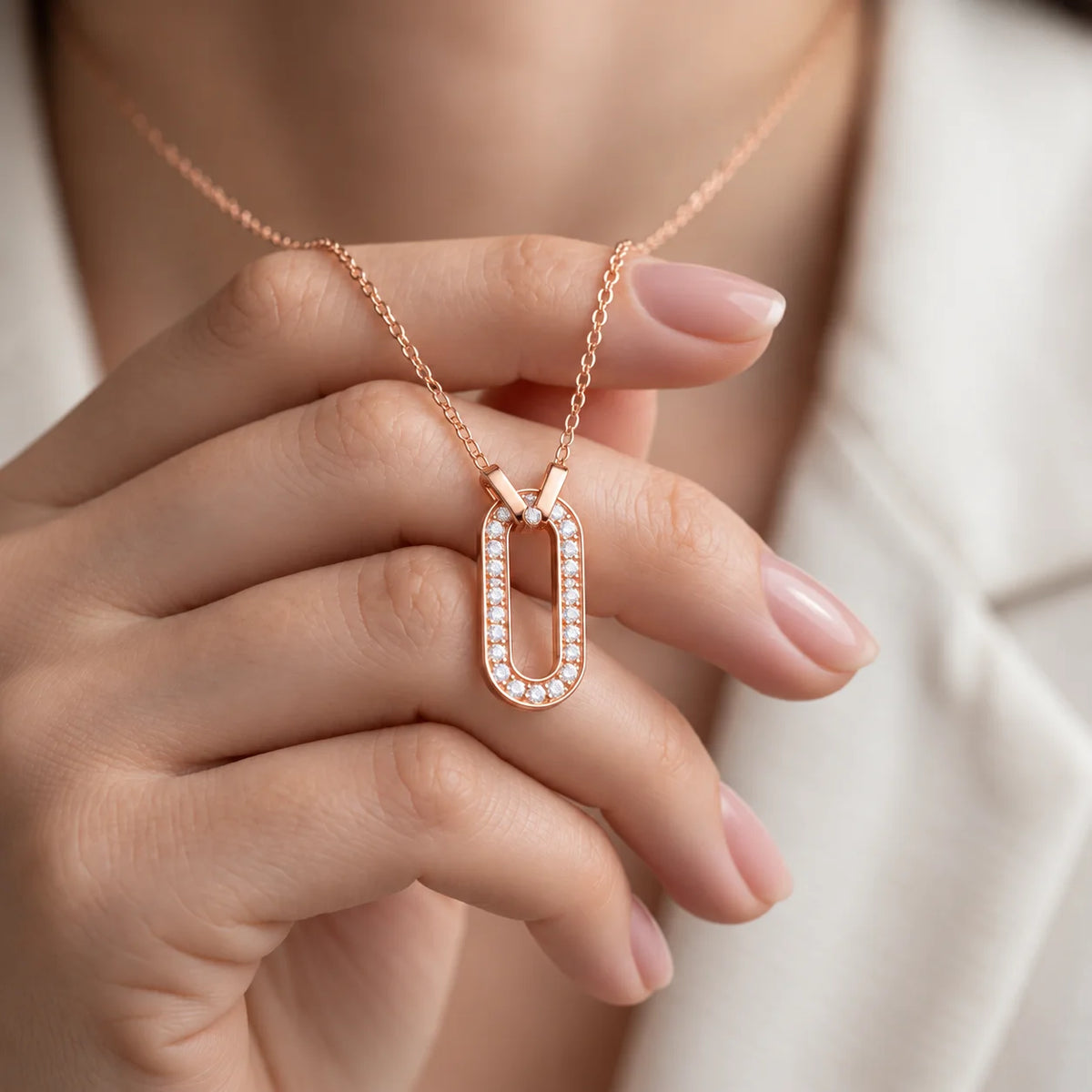
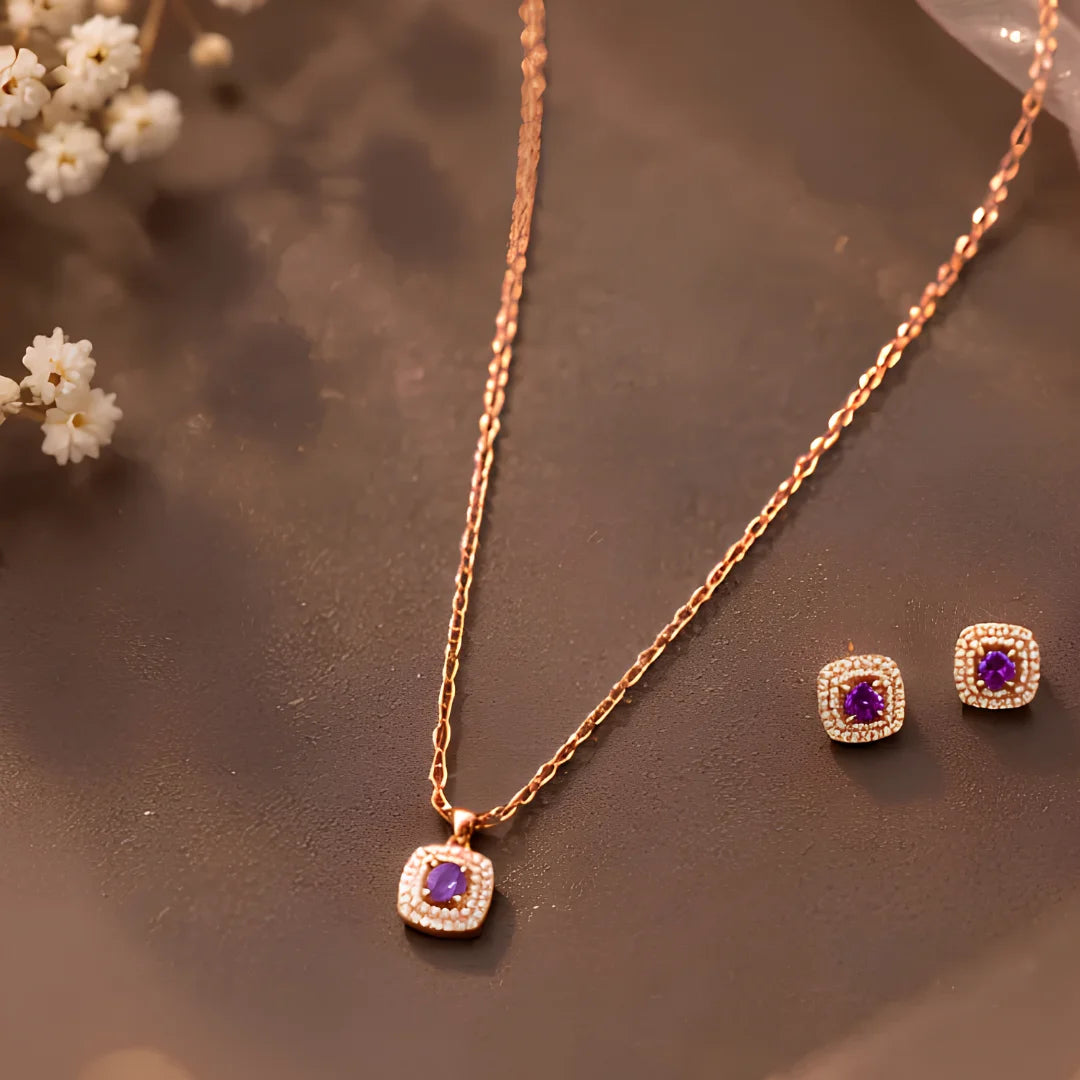
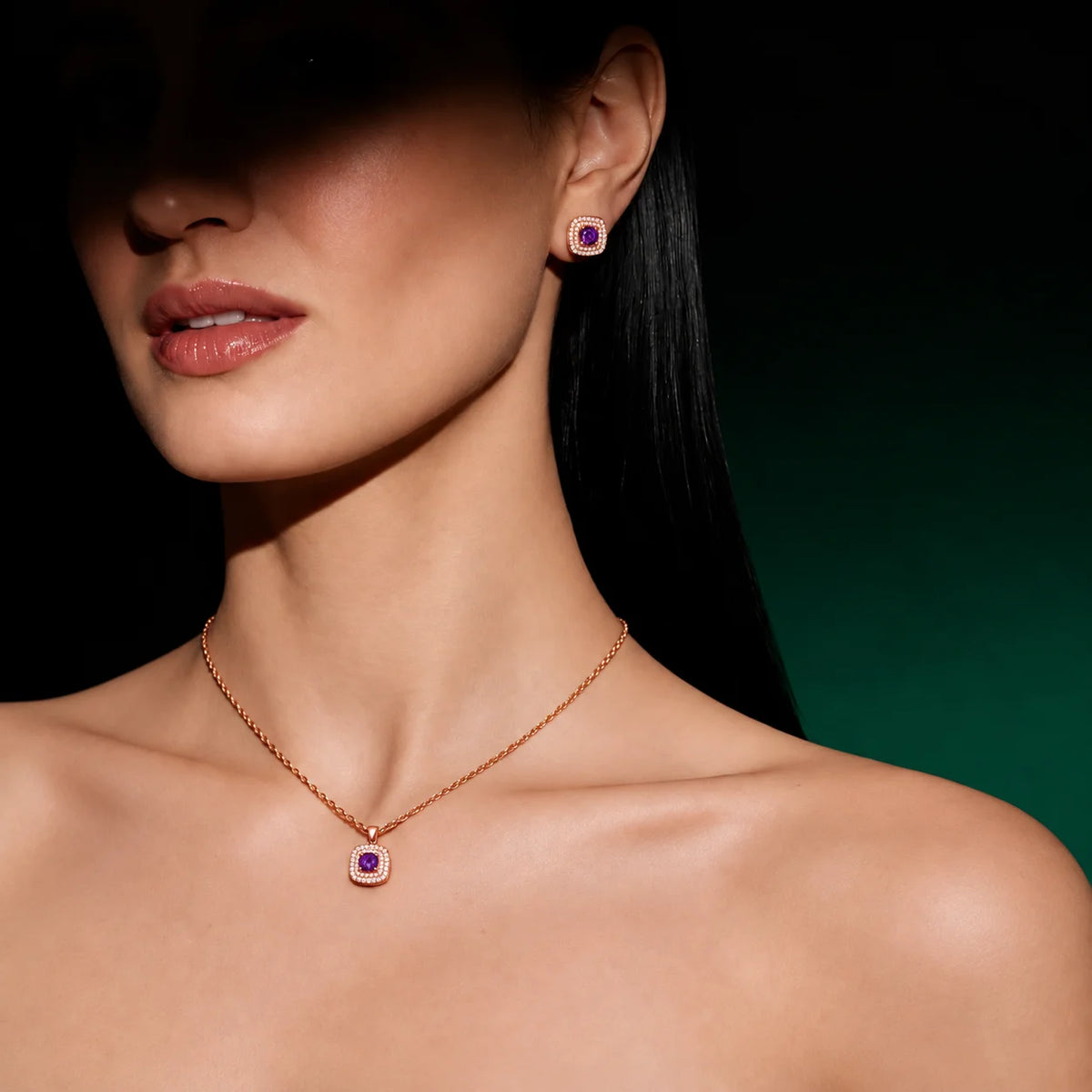
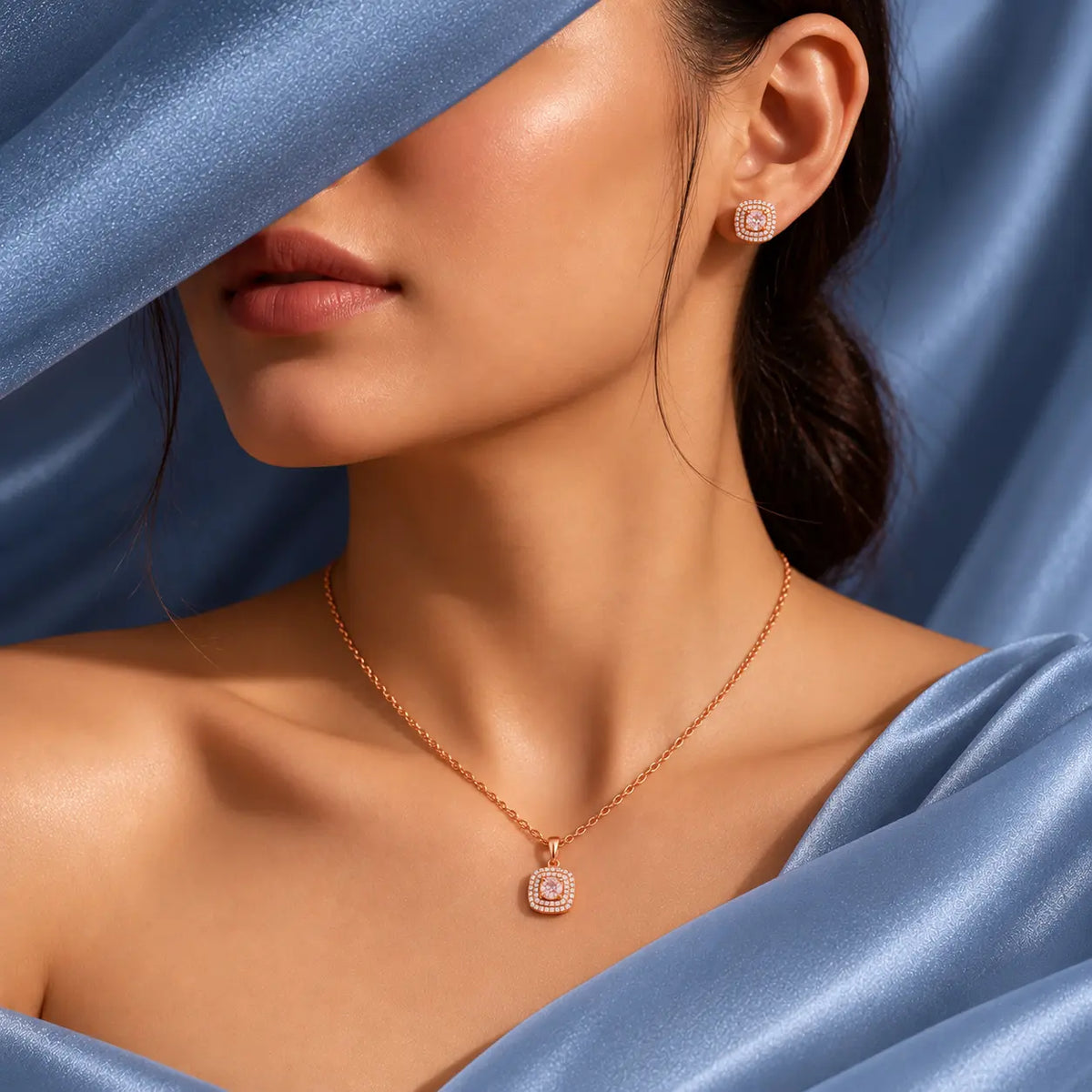
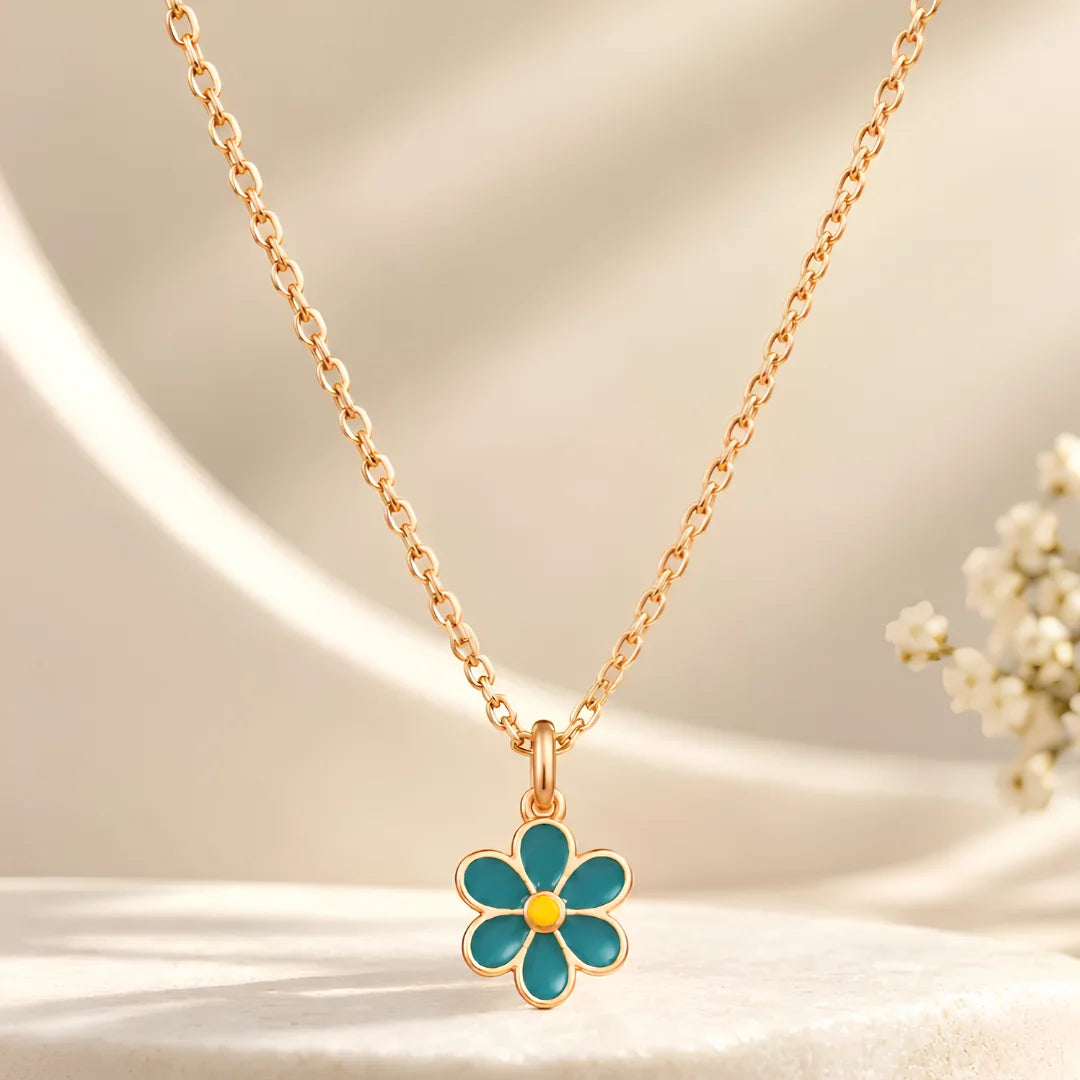
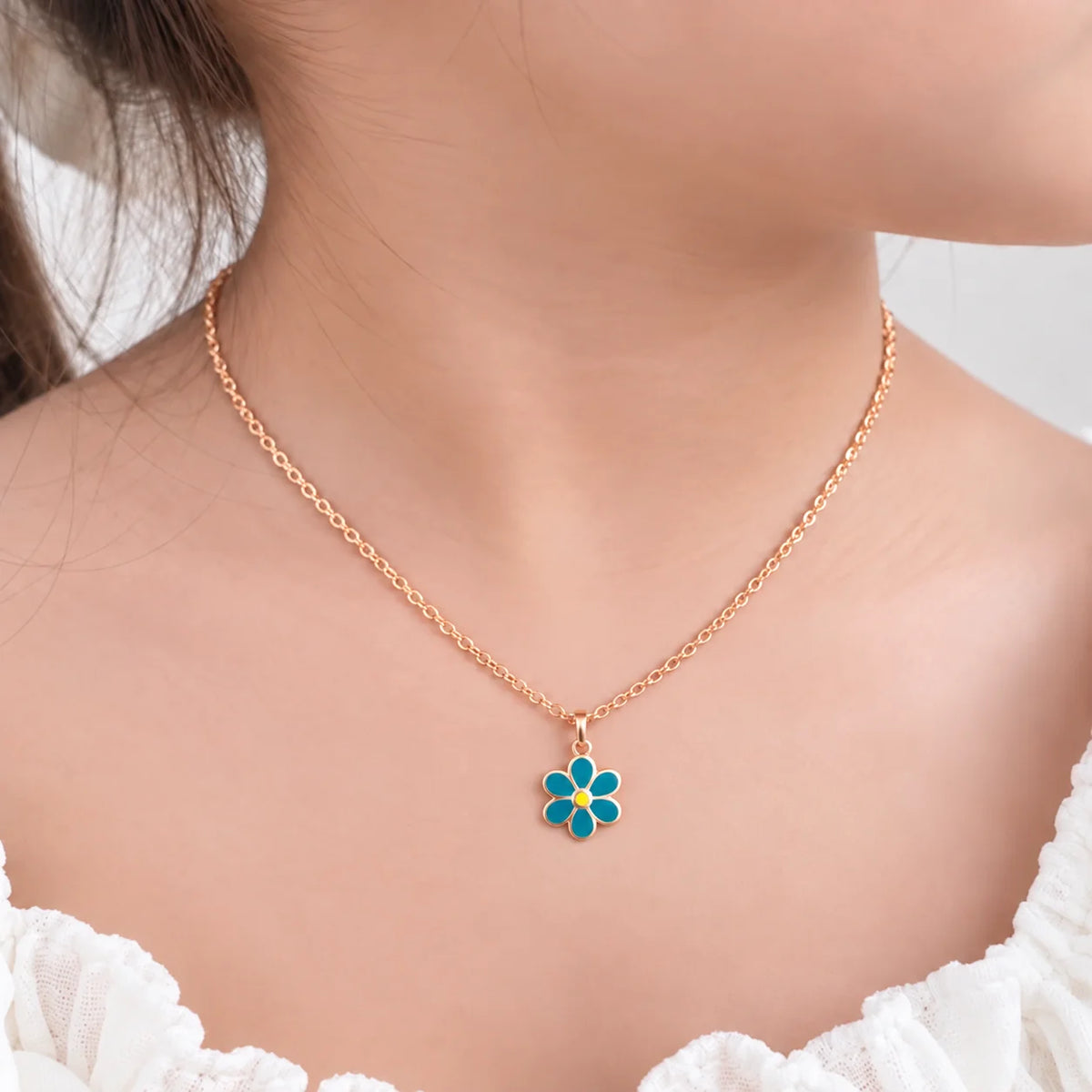
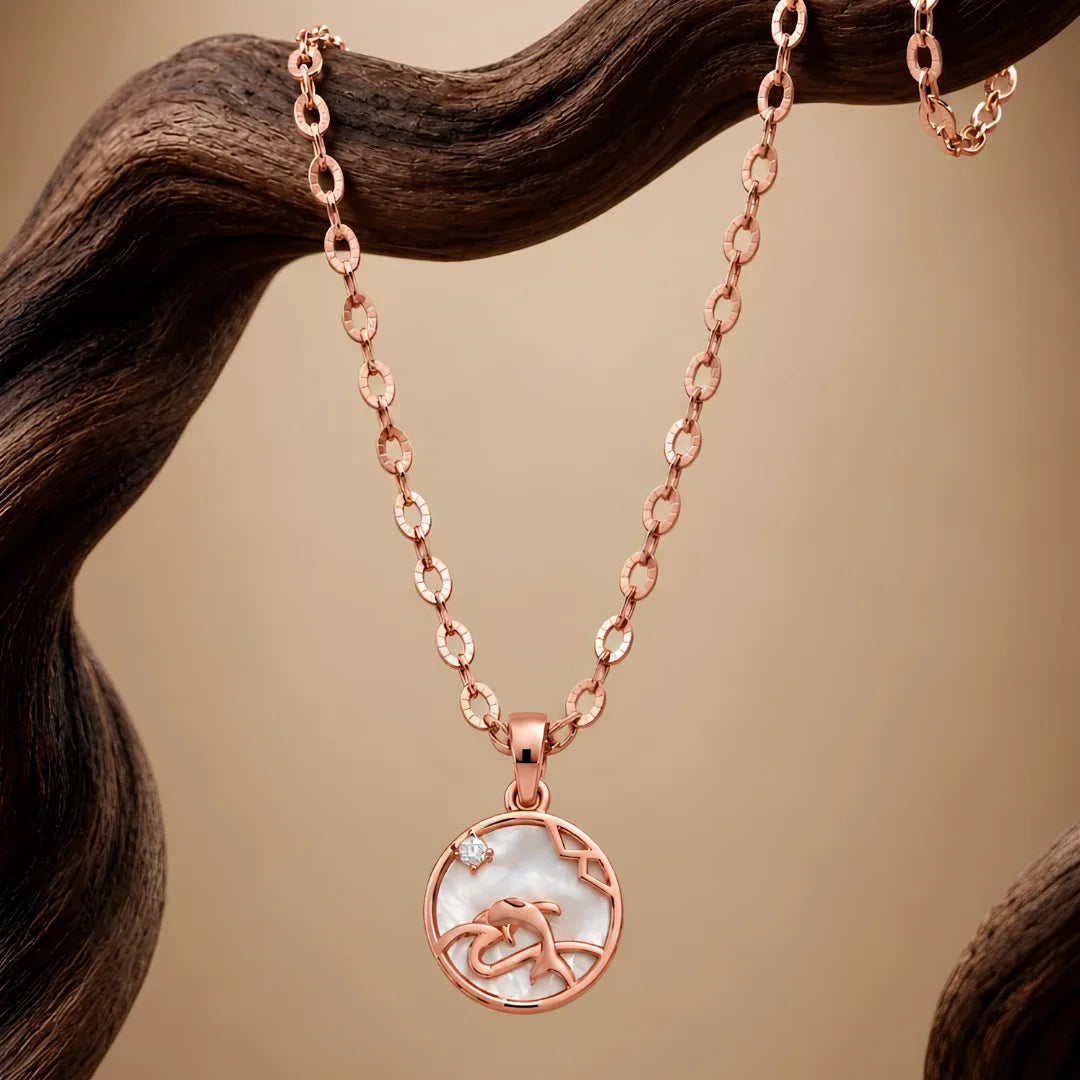
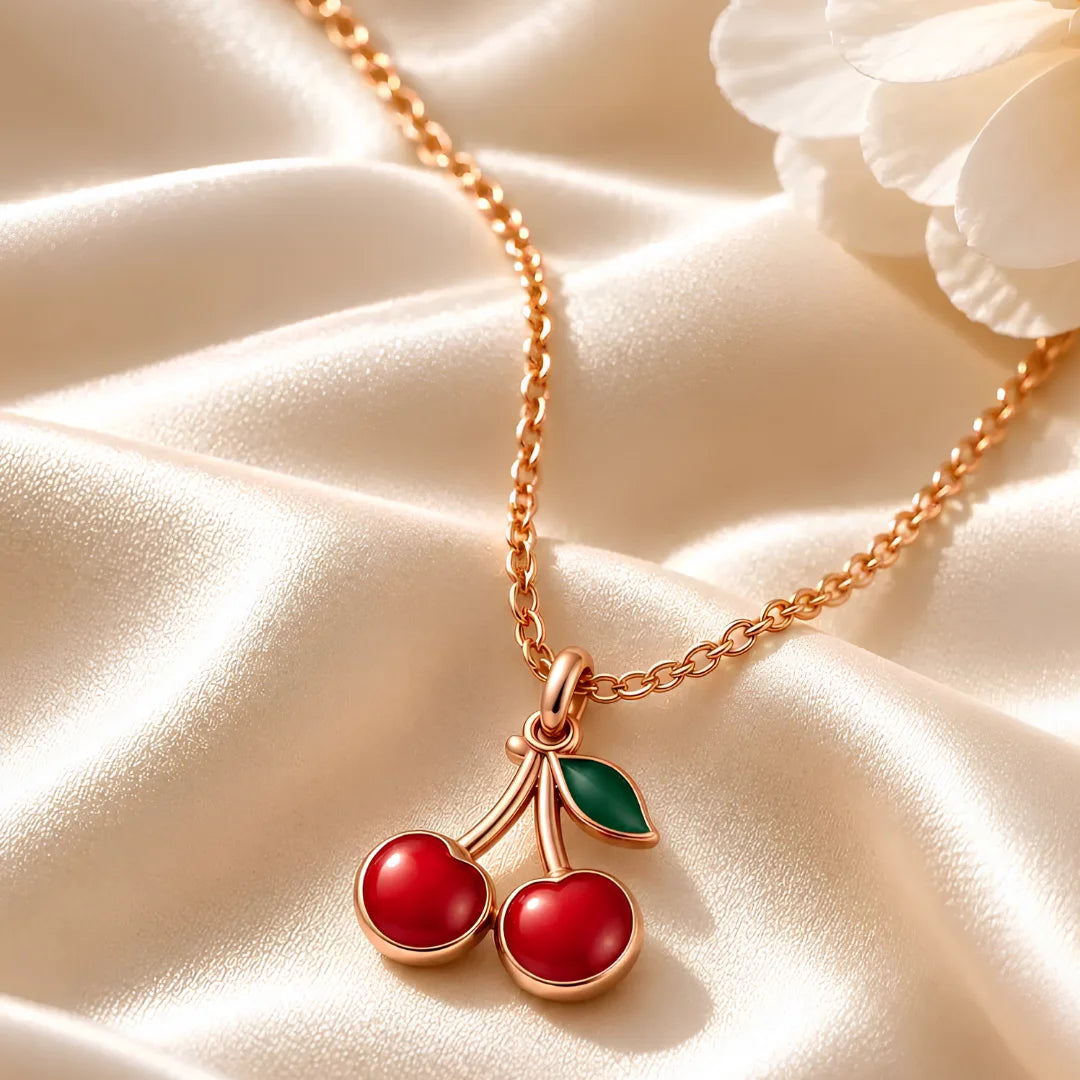
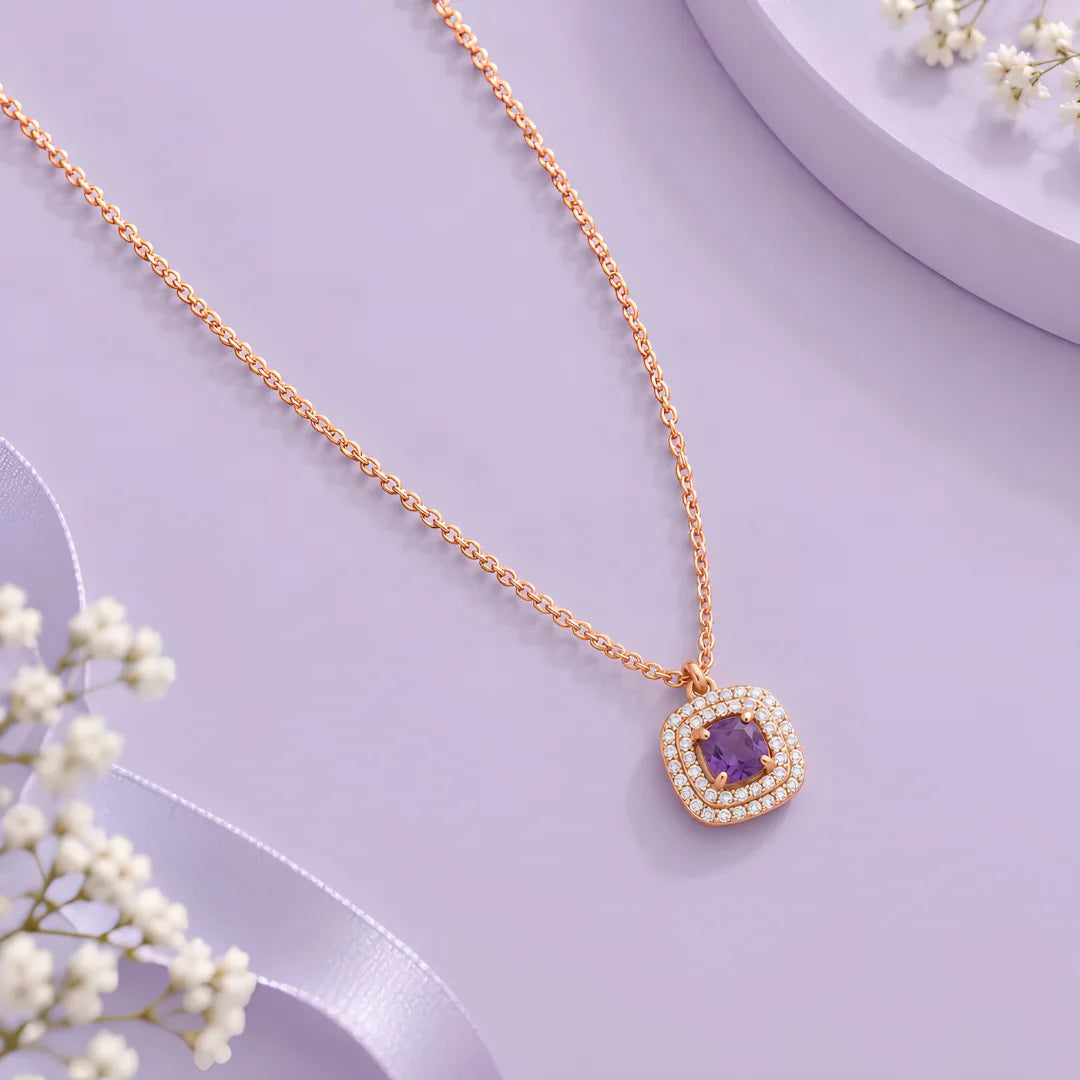
Rose gold silver jewellery for women
Rose gold is a warm plating over sterling silver, and the warmth comes from copper in the plating alloy. It suits warmer skin tones and sits comfortably next to gold jewellery worn elsewhere on the hand or wrist.
Everything in this range is 925 sterling silver: 92.5% pure silver alloyed for hardness, finished to resist tarnish, and free of nickel and lead so it sits safely on reactive skin. Pieces are made and stocked in India and dispatched within 24 hours.
What does 925 sterling silver mean?
925 means 92.5% pure silver, with the remaining 7.5% made up of other metals alloyed in for hardness. It is the international standard for silver jewellery and the reason sterling can hold a clasp, a stone setting or a thin chain link without deforming.
Pure silver - 999 - is too soft for most jewellery. A pure silver ring bends under hand pressure and a pure silver chain stretches under its own weight, which is why unalloyed silver is used for bullion and almost never for pieces meant to be worn.
Sterling versus silver plated
Sterling silver is solid silver throughout. Cut it anywhere and it is the same metal, which is why it can be polished repeatedly over decades without ever exposing something different underneath.
Silver plating is a thin coat of silver over a cheaper base metal, usually brass. It looks identical when new and wears through at the points of most contact - clasps, the underside of rings, the back of a pendant - exposing the base metal and, frequently, the nickel that causes skin reactions.
How do plated finishes hold up?
Rose gold and yellow gold finishes here are plating over a solid 925 base, so the piece is sterling silver throughout even where the surface reads as gold. Both carry the same one-year colour warranty as plain silver.
What shortens the life of any plating is chemistry rather than wear: perfume, alcohol-based sanitiser, chlorine and the acids in some skincare strip it faster than years of ordinary handling. Applying those first and putting jewellery on last is the single most effective habit for keeping plated finishes intact.
Why oxidised silver behaves differently
Oxidisation is a controlled chemical reaction on the surface of the silver itself, not a coating applied over it. That distinction matters because a coating can flake, and a reacted surface cannot.
What it does instead is wear unevenly, and deliberately so. The darkening sits deepest in the recesses of a design and rubs off the raised areas first, so contrast increases with handling. An oxidised piece generally looks better after a year than it did new.
How to tell real sterling silver
The reliable indicator is the hallmark. Genuine sterling carries a 925 stamp, usually on the clasp, the inner band or the back of a pendant, and it is struck into the metal rather than printed on. On very small pieces the stamp may be on an attached tag instead, which is normal.
Beyond the stamp, there are two practical tests. Sterling silver is not magnetic, so a piece that pulls towards a magnet contains a significant quantity of another metal. And sterling tarnishes: a piece that has never darkened at all over years of wear is more likely plated or an alternative alloy than it is exceptionally well kept. Tarnish is a sign of real silver, not of poor quality.
Weight is the last cue. Silver is dense, and a sterling piece feels heavier in the hand than its size suggests. Anything that feels notably light for its volume is usually hollow or plated over a lighter base.
How do you stop silver from tarnishing?
Put jewellery on last and take it off first. Tarnish is a reaction between silver and sulphur compounds in air, sweat and cosmetics, so what dulls a piece is almost never ordinary wear — it is perfume, hairspray, sunscreen, hand sanitiser and chlorine. Dressing first, spraying second and putting jewellery on last removes most of that contact in one habit.
An anti-tarnish finish slows the reaction considerably but does not stop it, and nor should it: tarnish is evidence that the metal is genuinely silver. When a piece does dull, a soft dry cloth brings it back in under a minute. Avoid toothpaste and household cleaners, which are abrasive enough to scour the polish off along with the tarnish, and avoid silver dips on anything oxidised, because they strip the darkening the design depends on.
How should silver be stored?
Dry, dark and separate. Moisture accelerates tarnish, which is why a bathroom shelf is the worst place in the house for jewellery and a bedroom drawer is among the best. Each piece should have its own pouch or compartment, because silver is soft enough to scratch silver and a drawer of loose pieces grinds against itself every time it is opened.
For anything worn rarely, a sealed bag removes the air that causes the reaction in the first place; a piece stored that way can come out a year later unchanged. Chains should be clasped before storing, since almost all tangling happens to an open chain moving loose.