
Filters
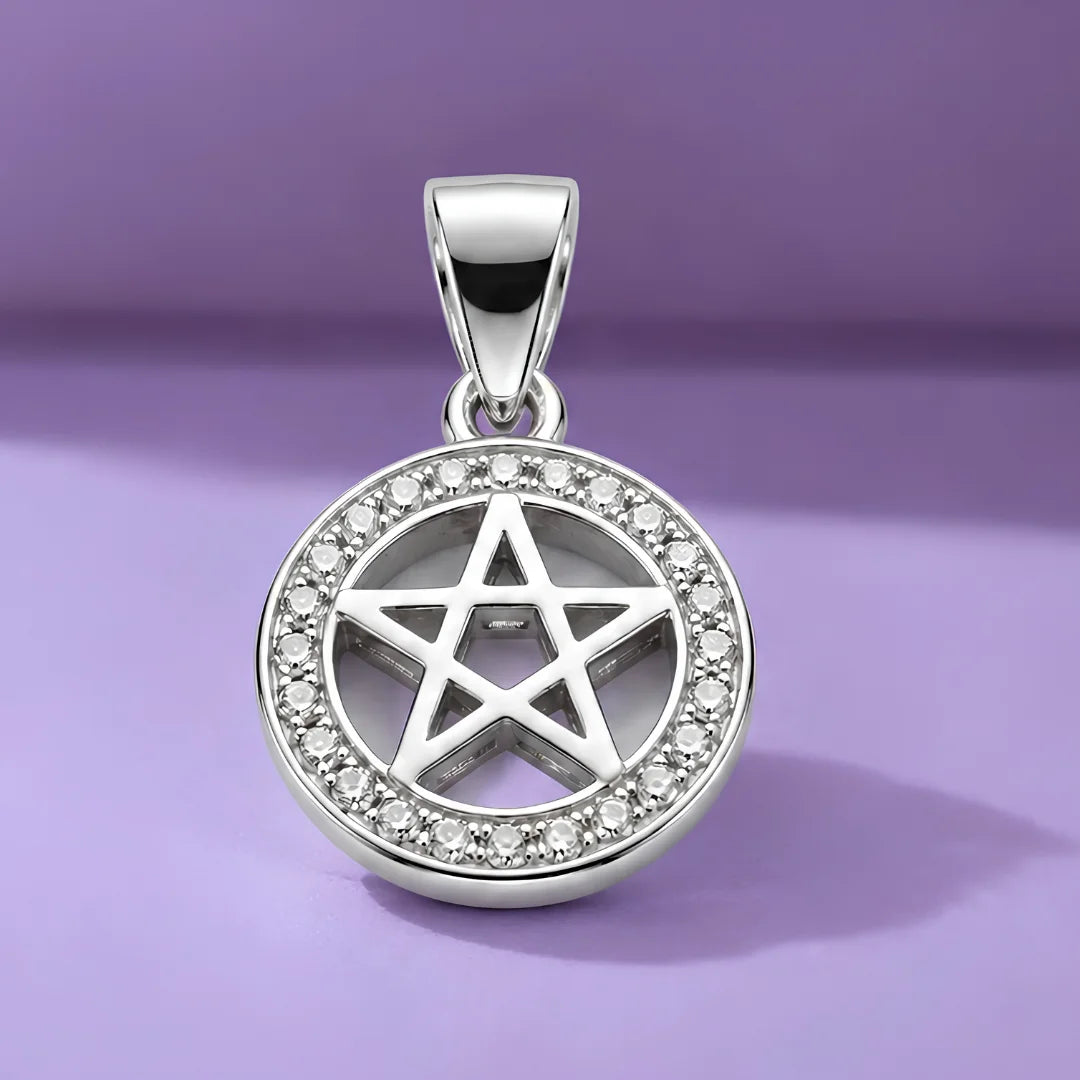
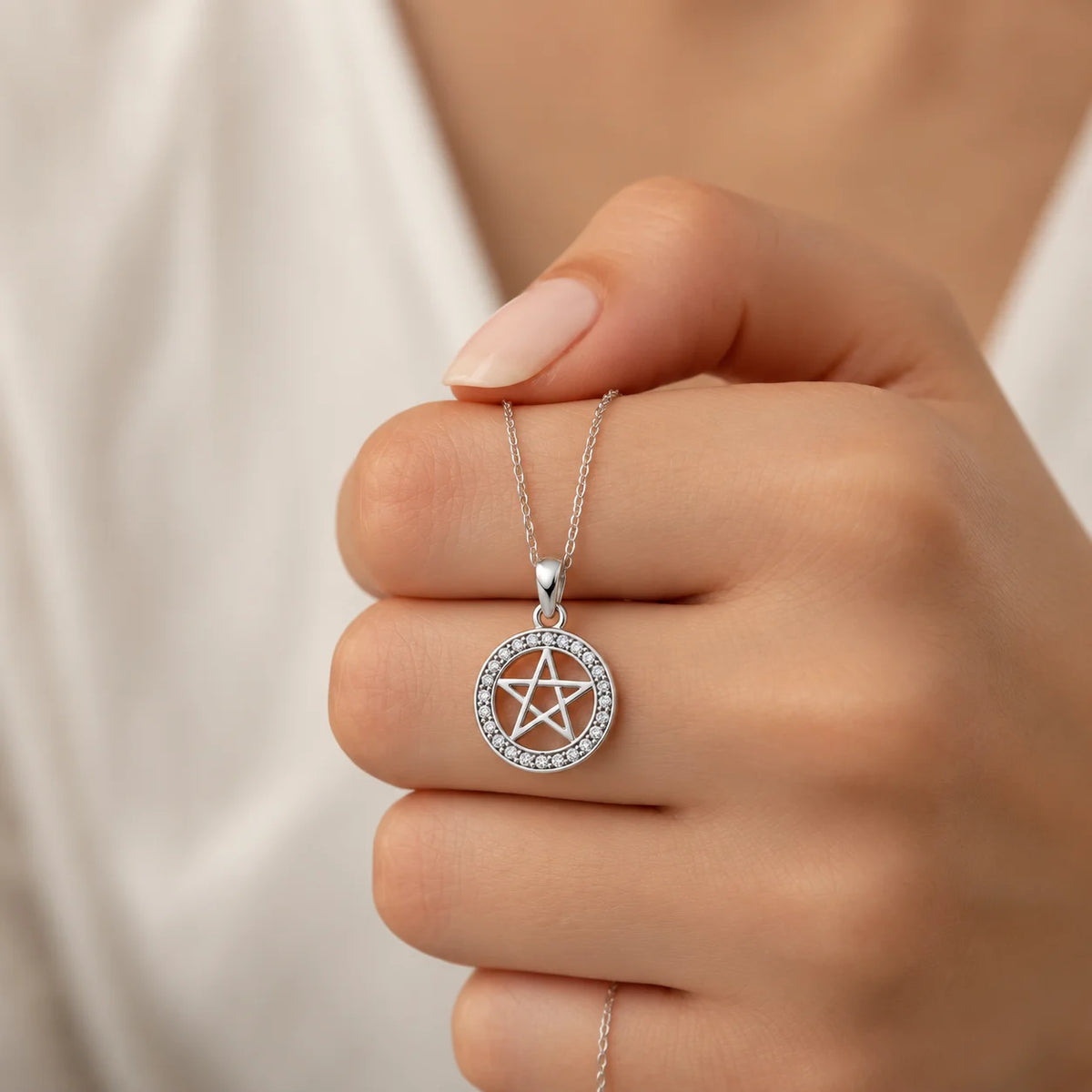
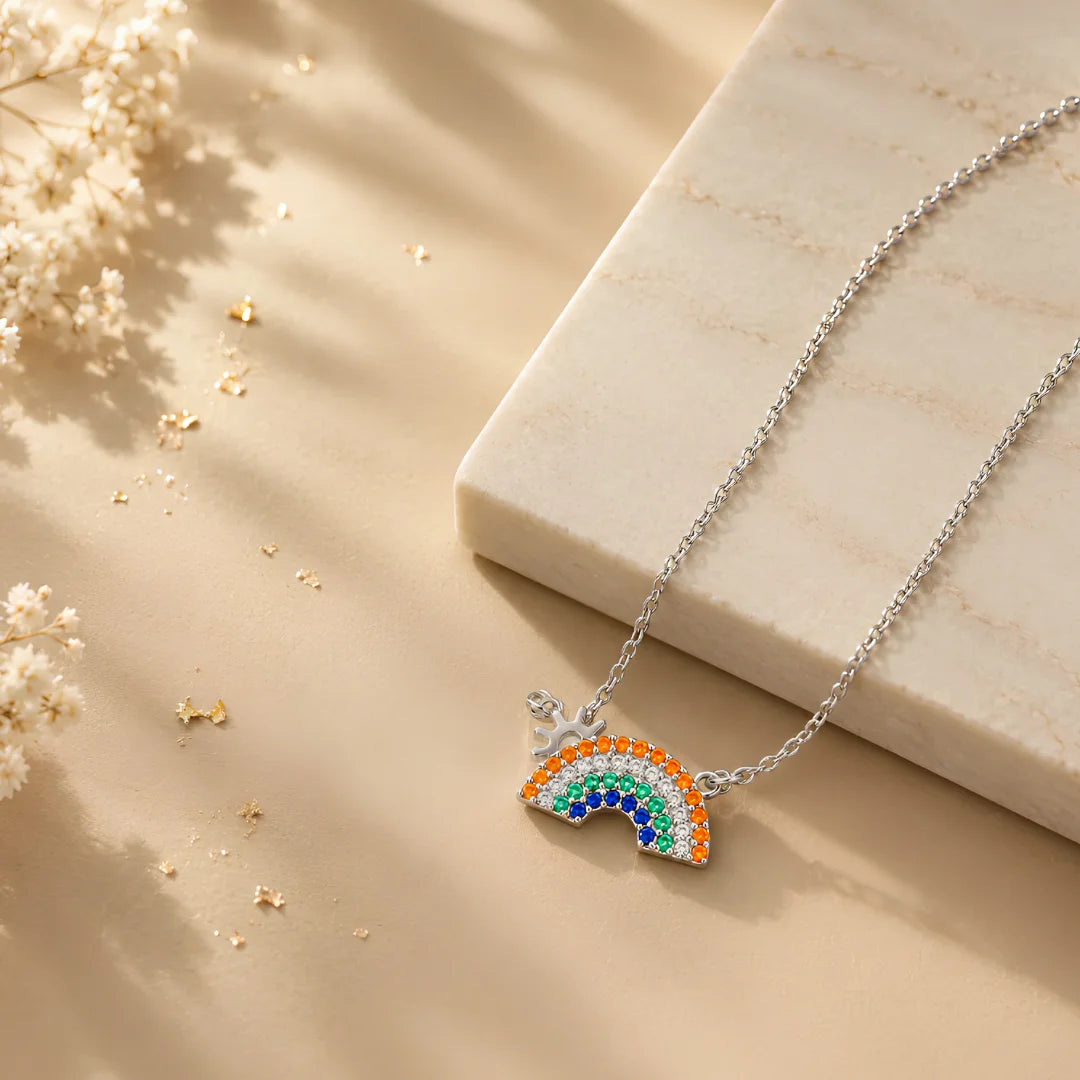
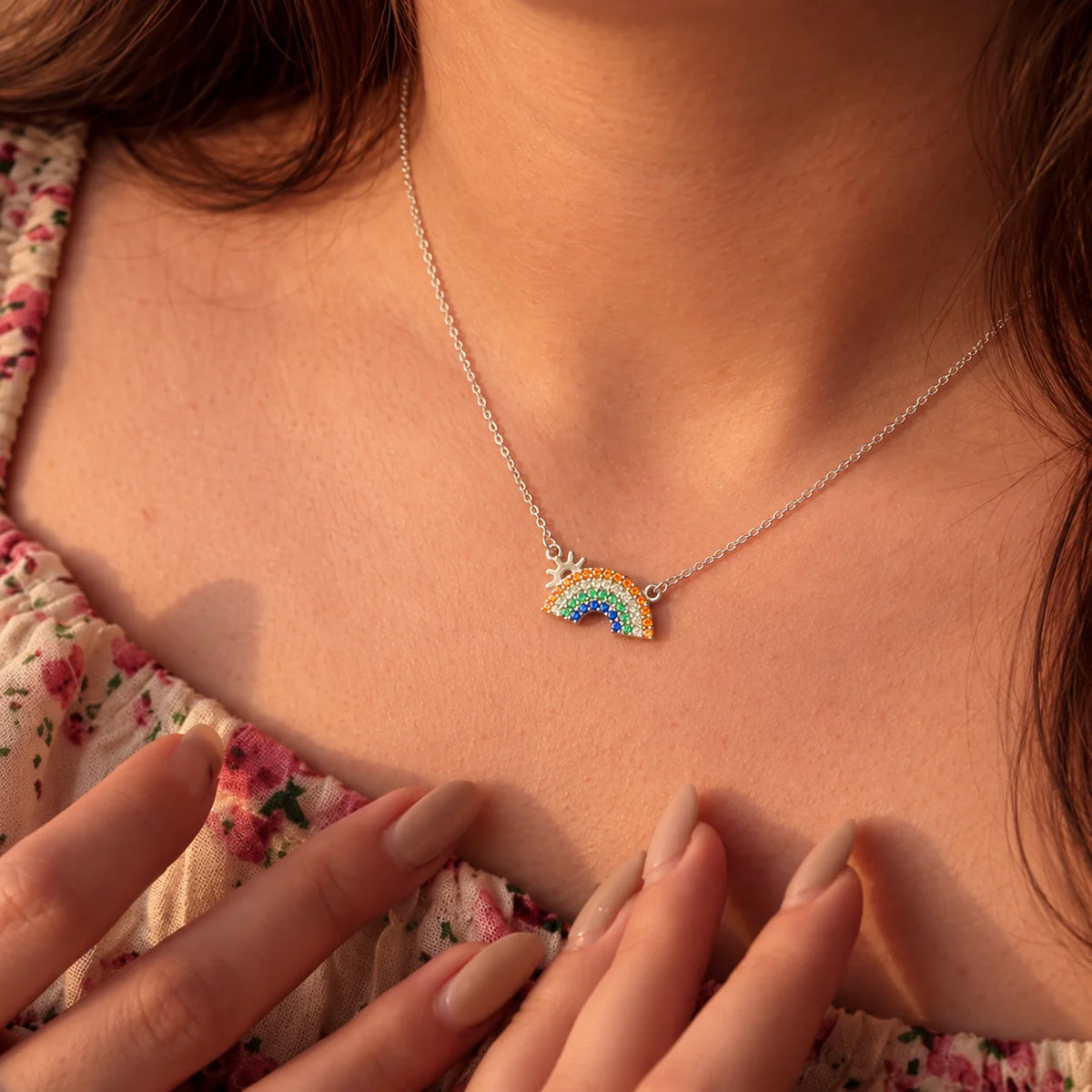
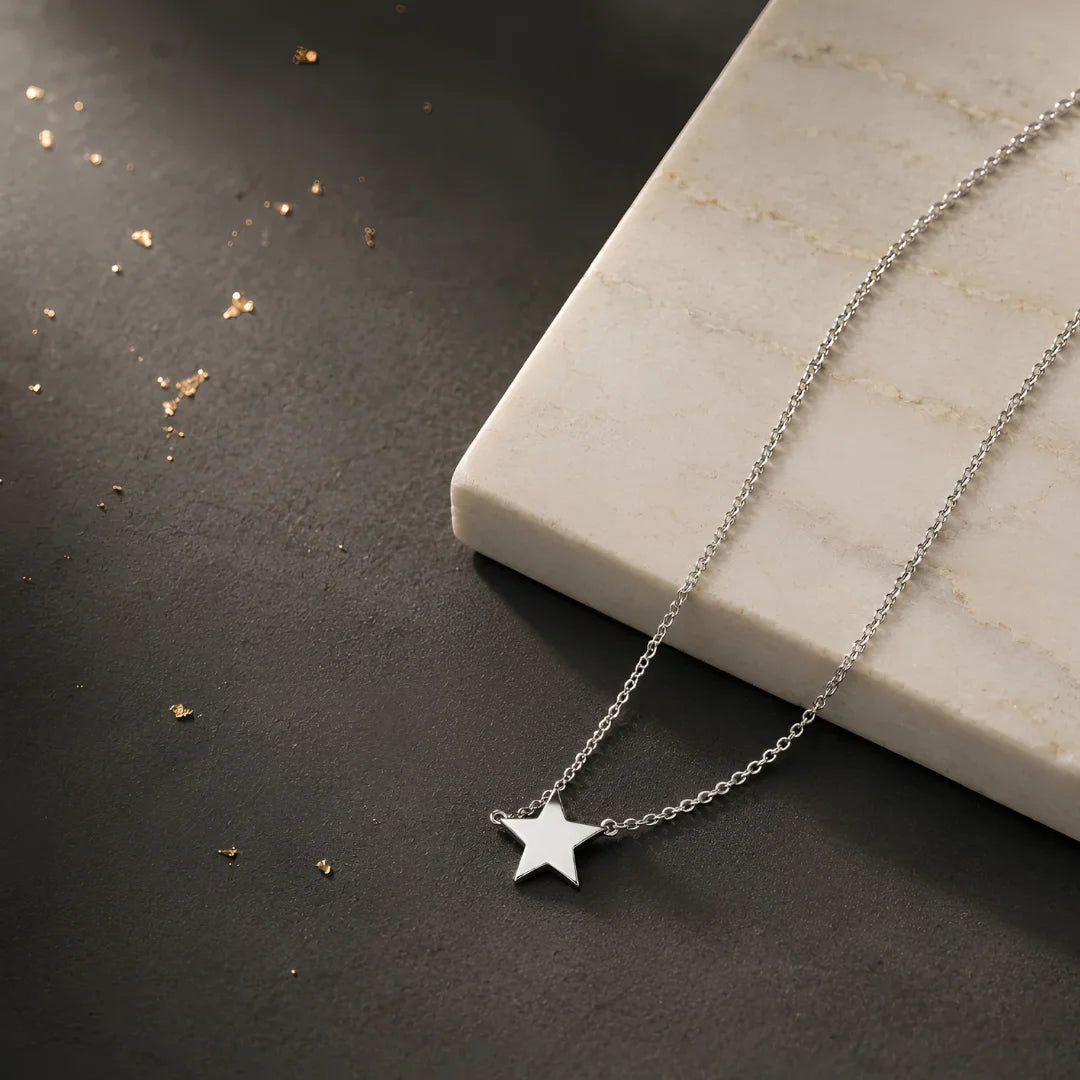
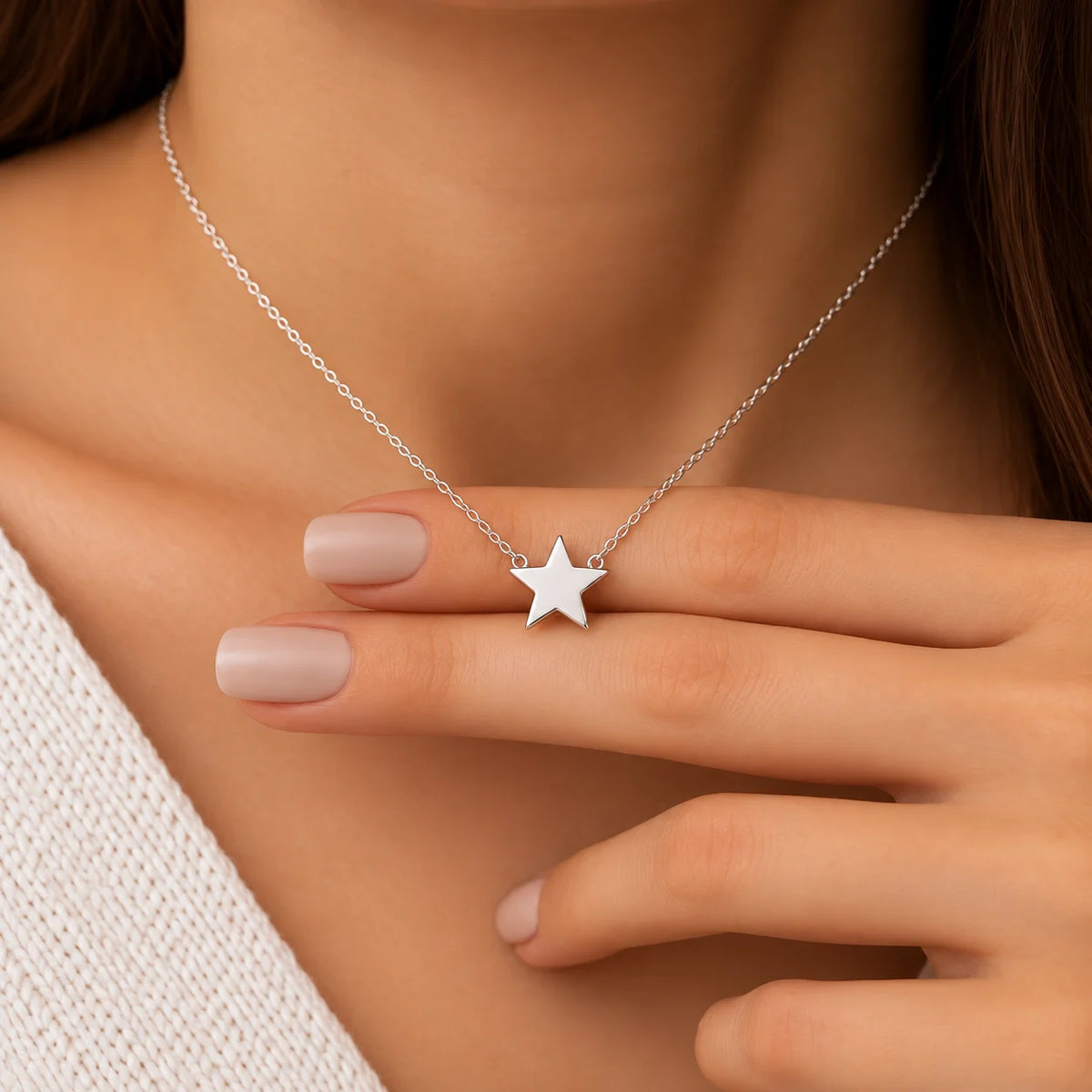
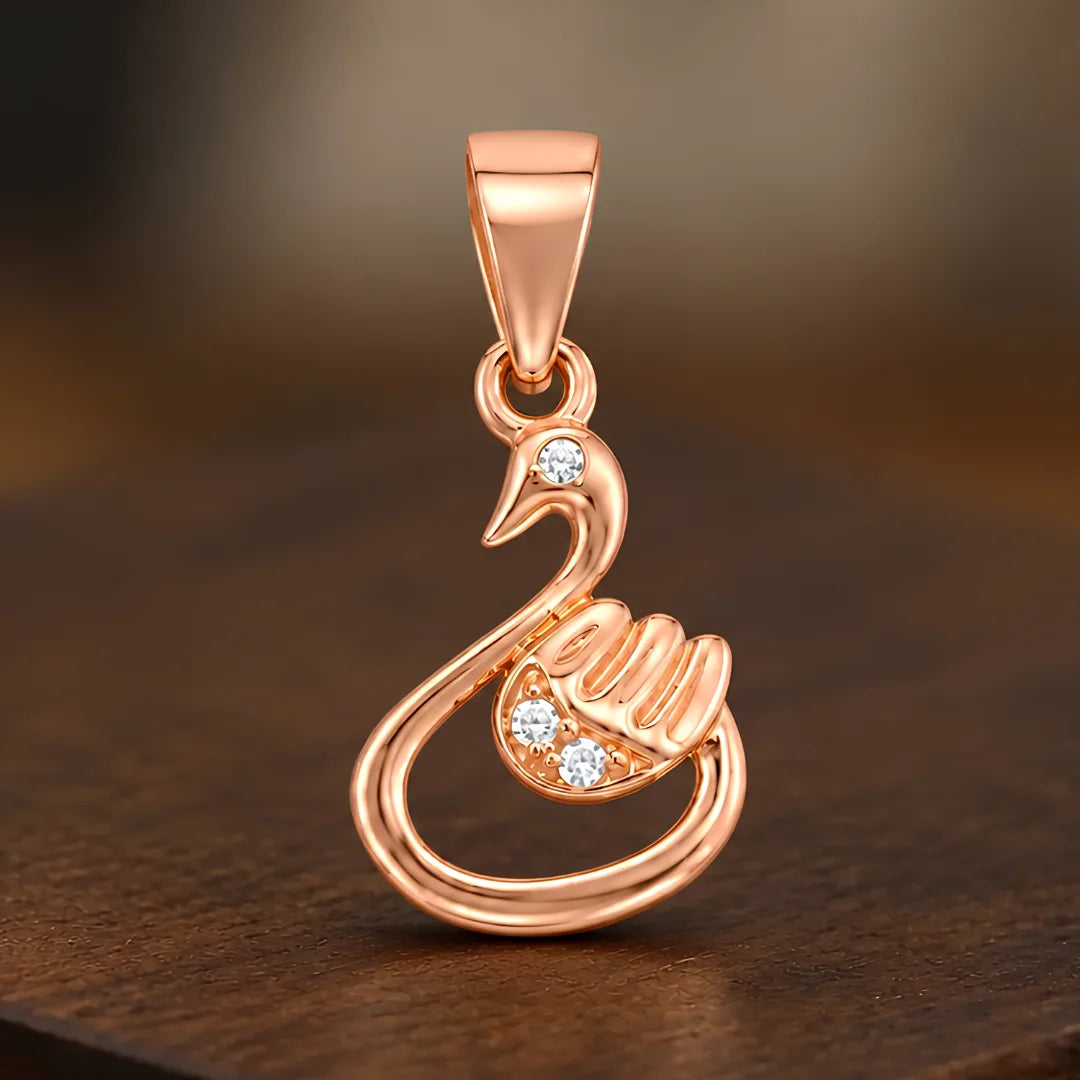

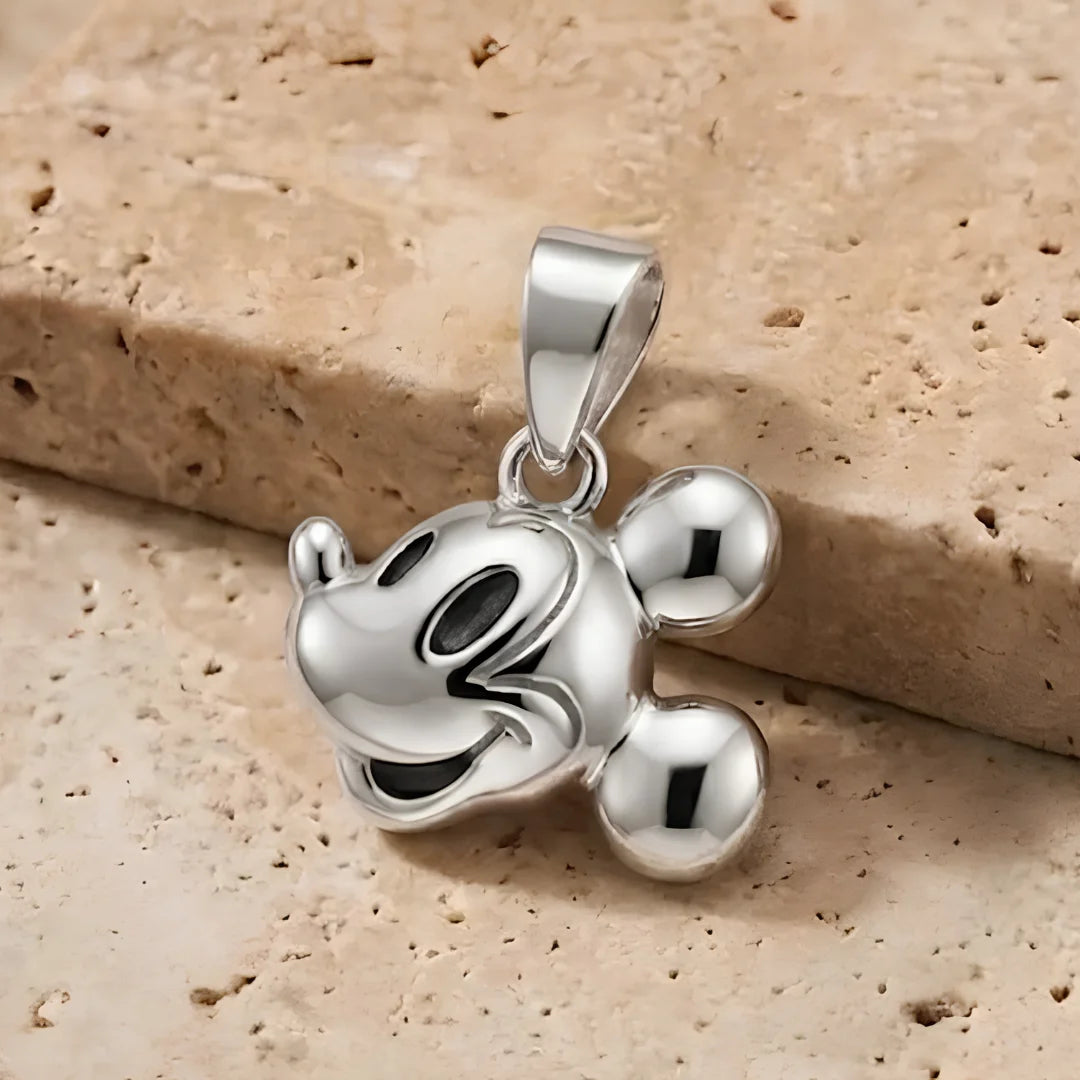
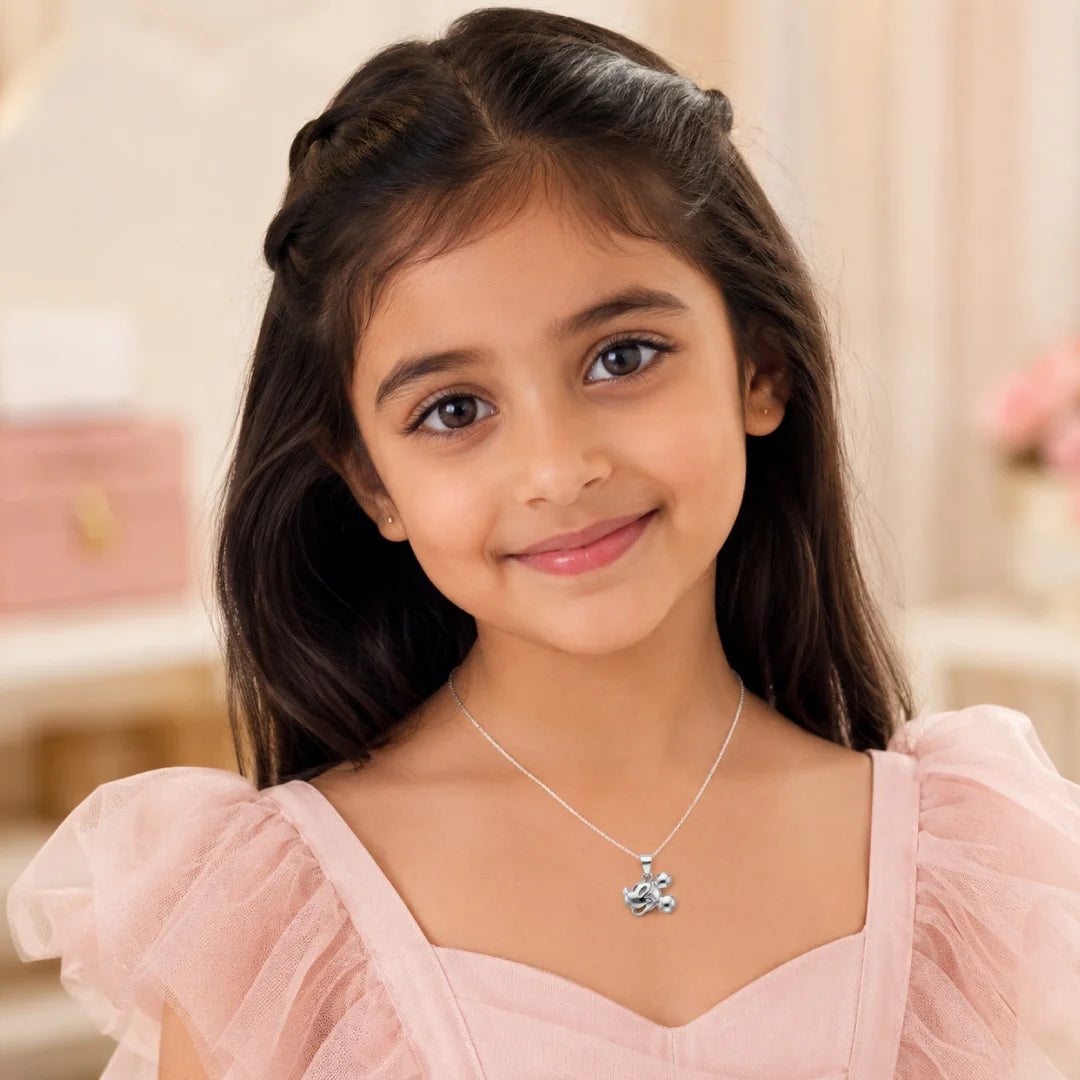
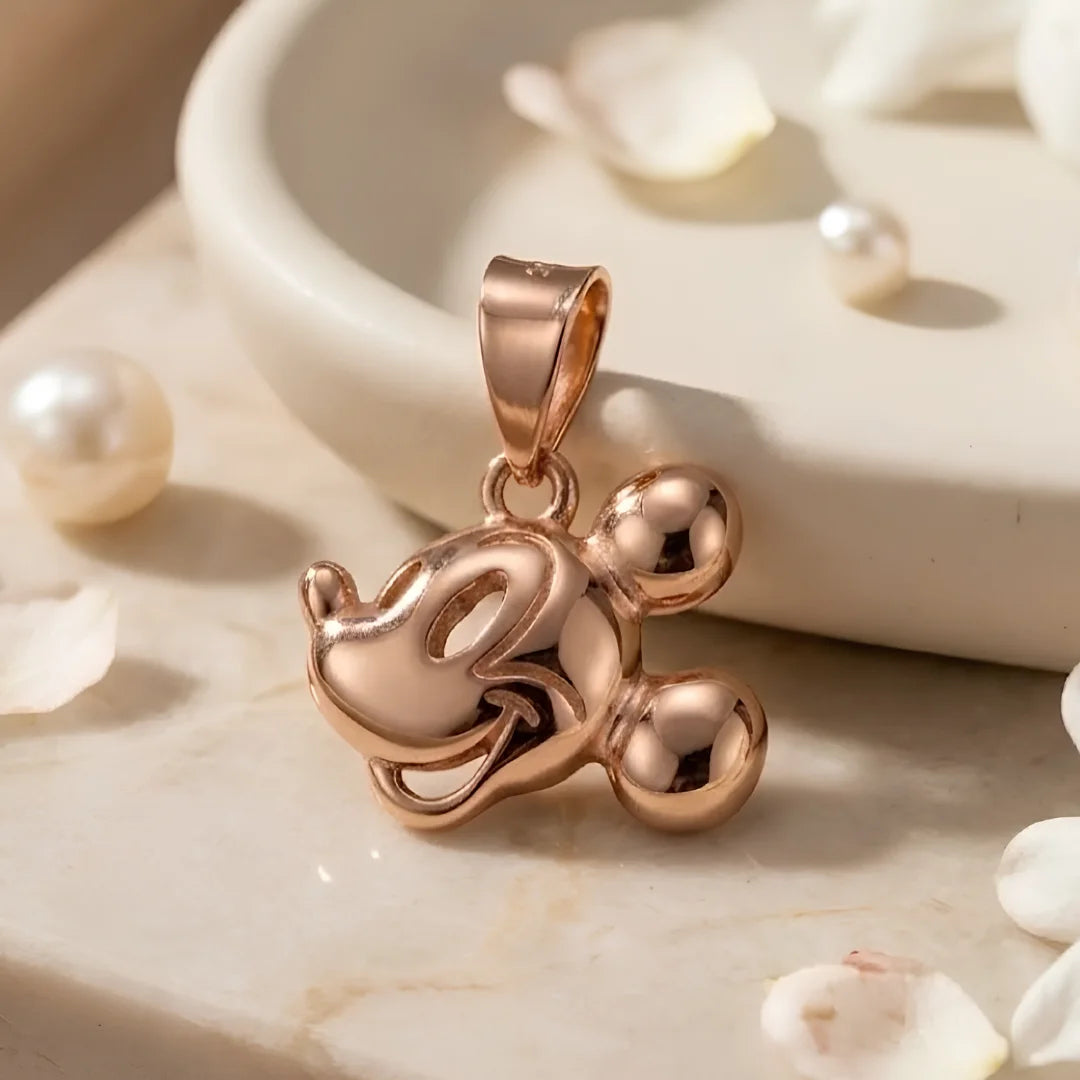
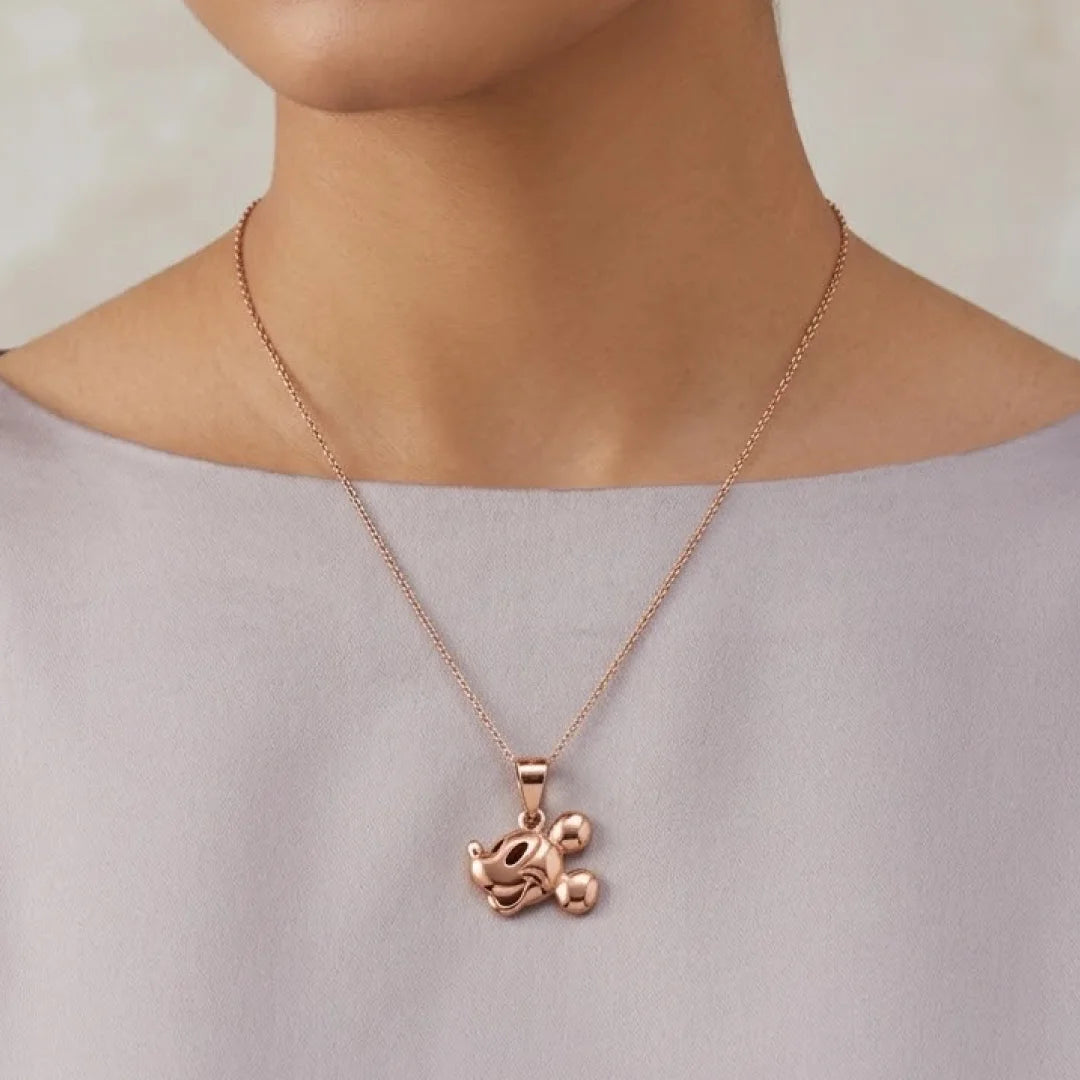

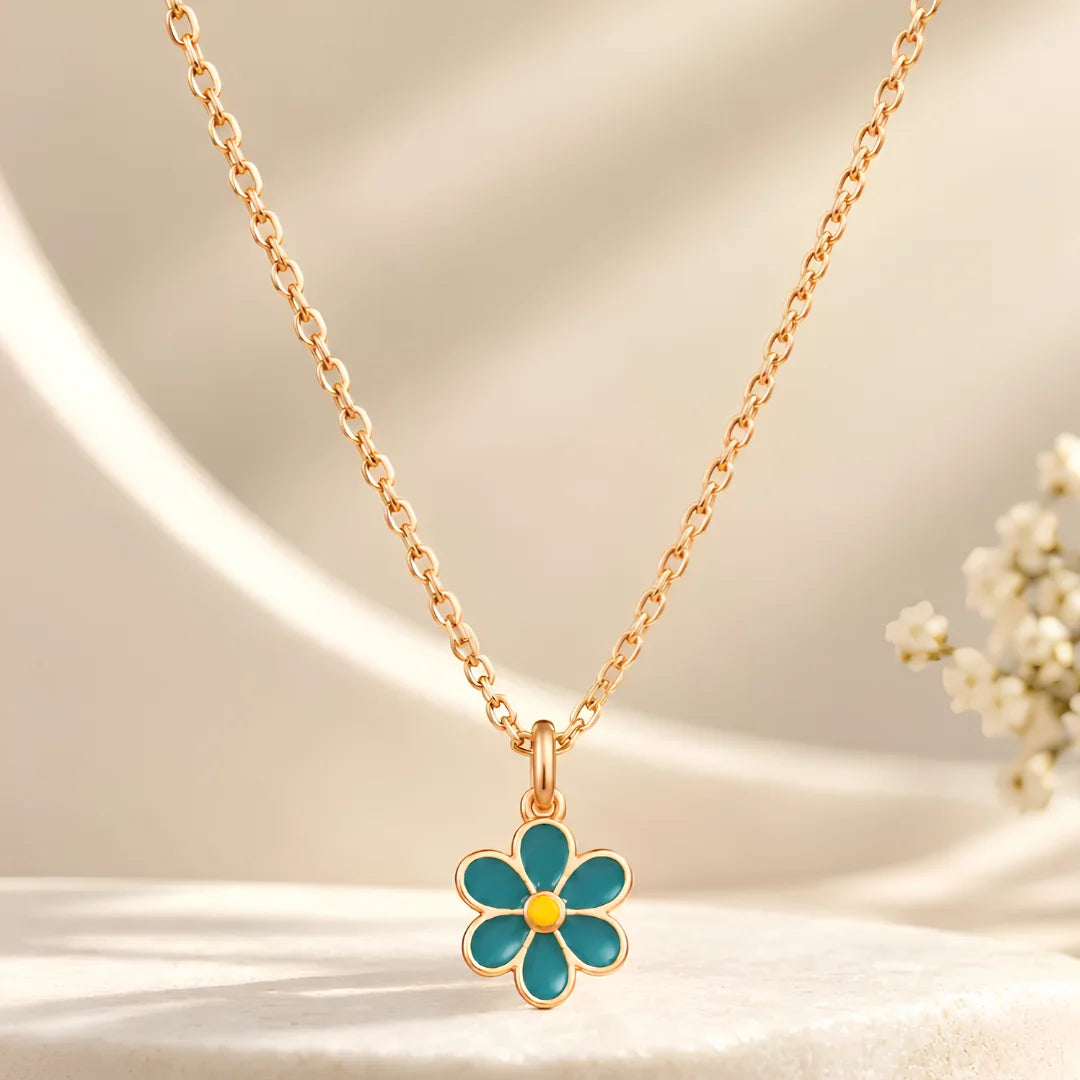
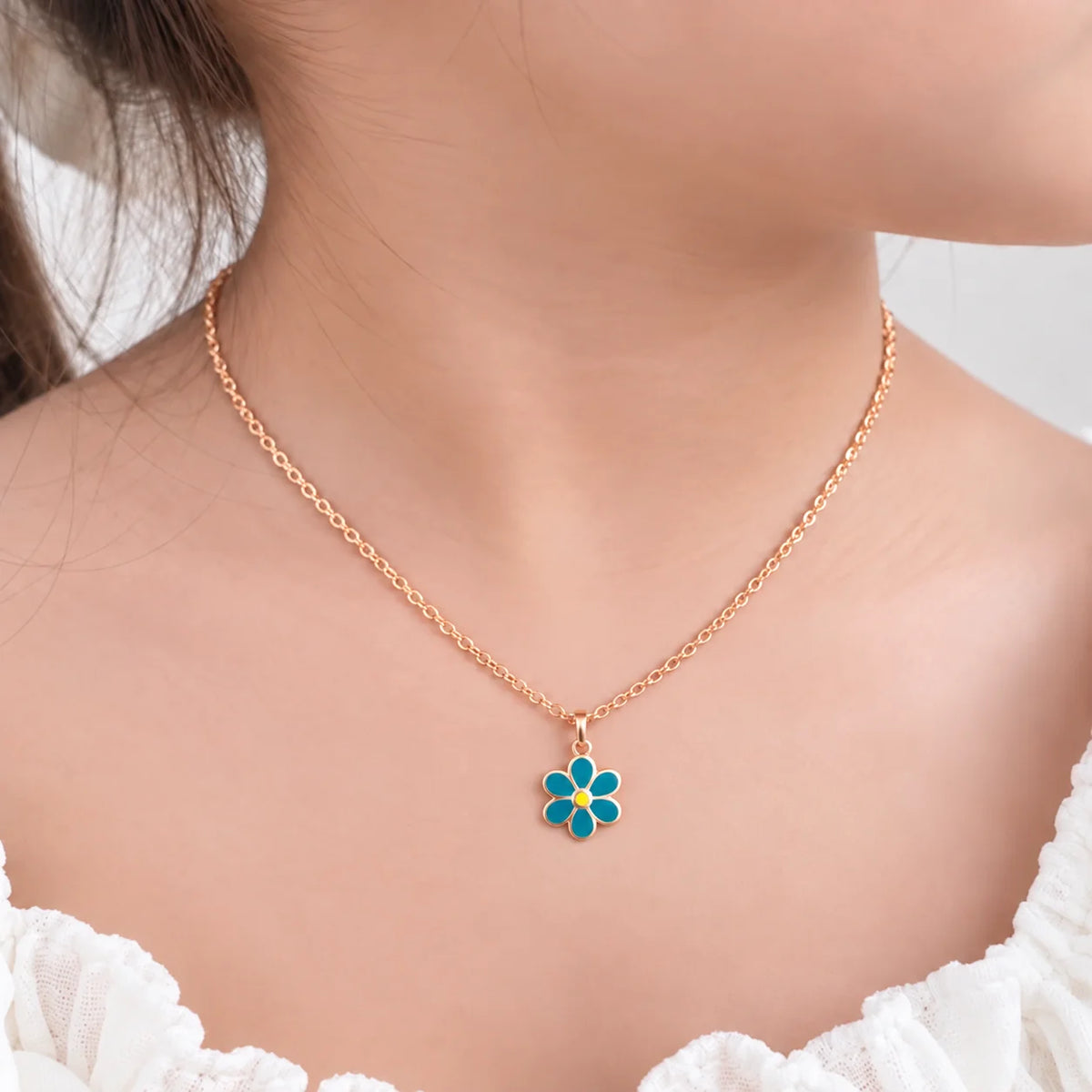
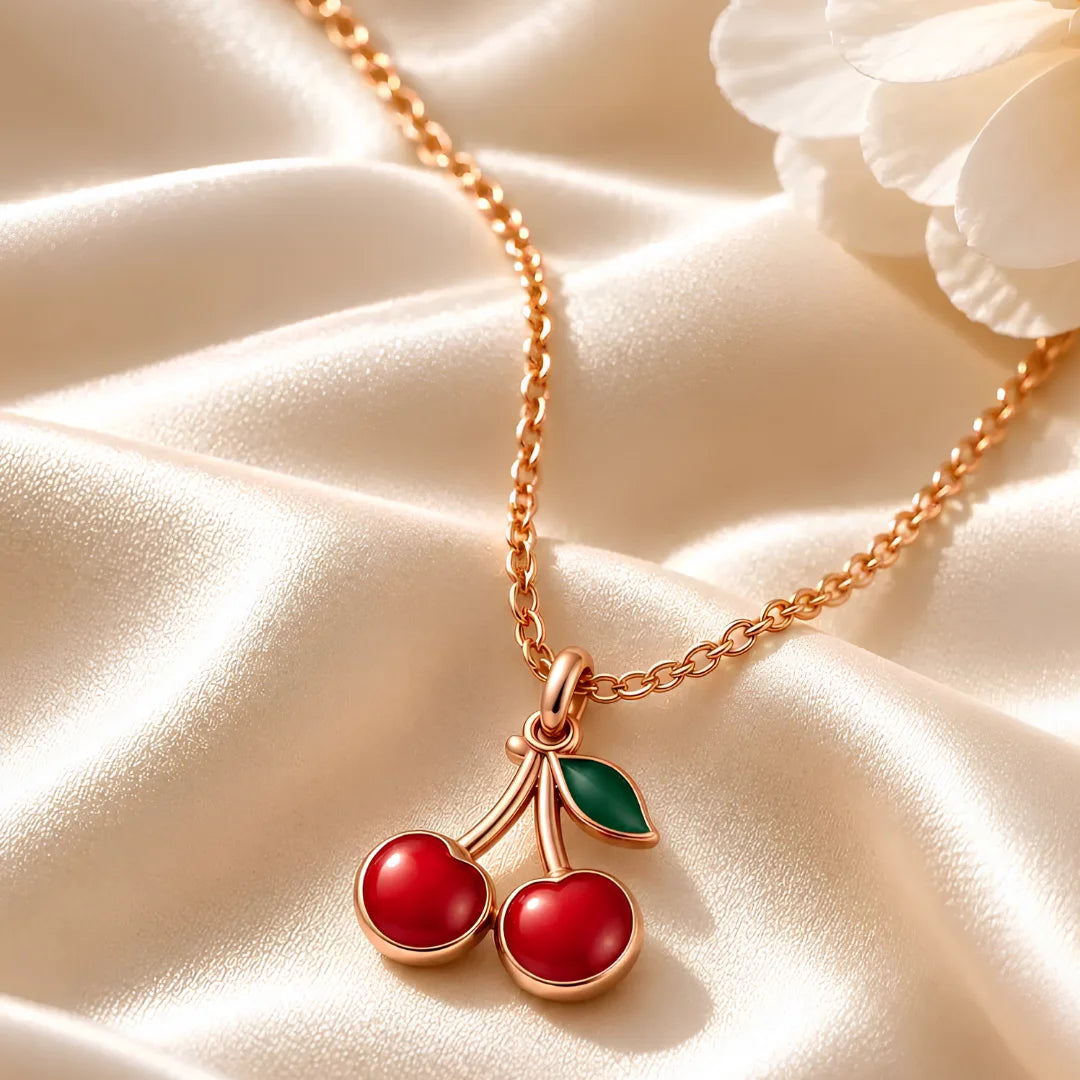


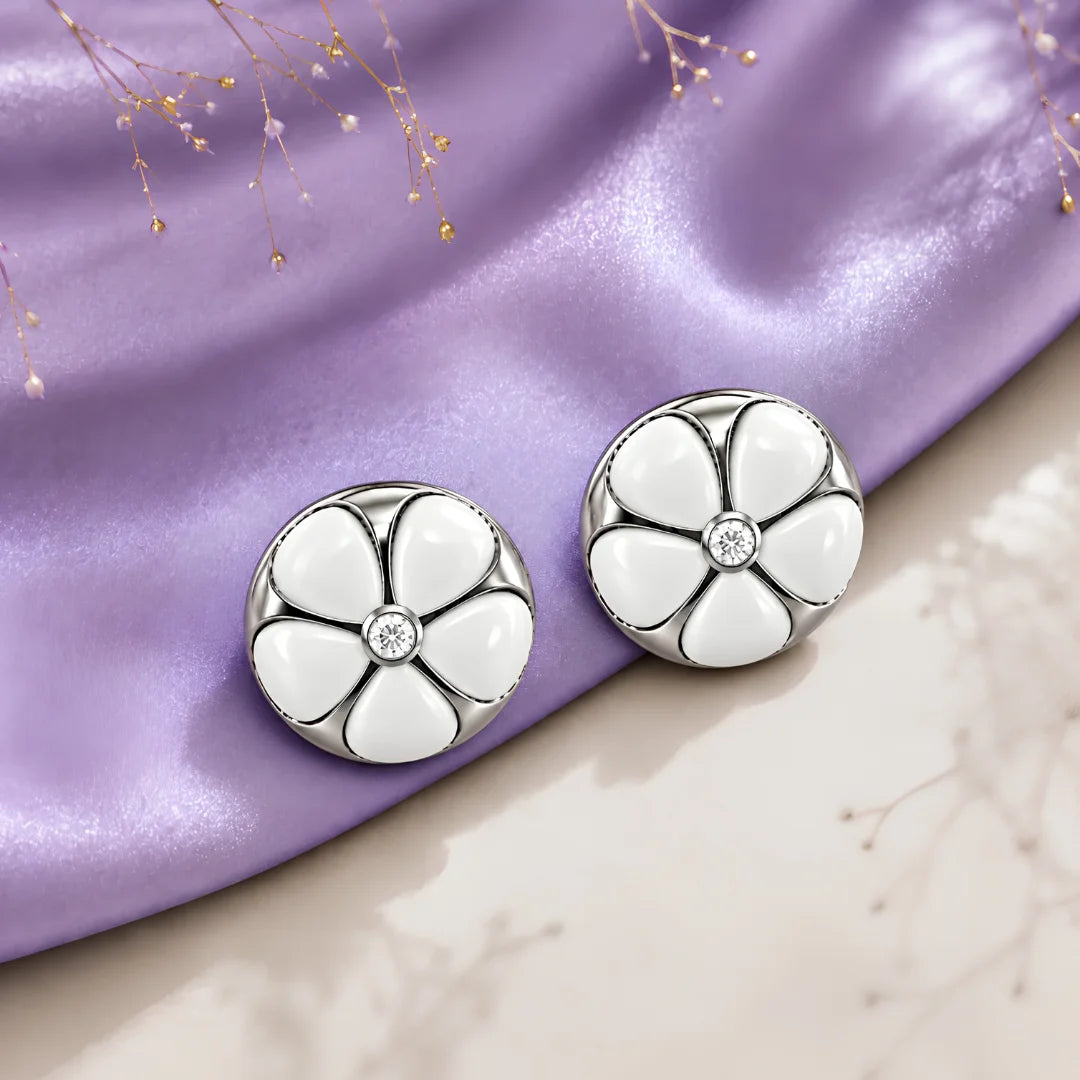


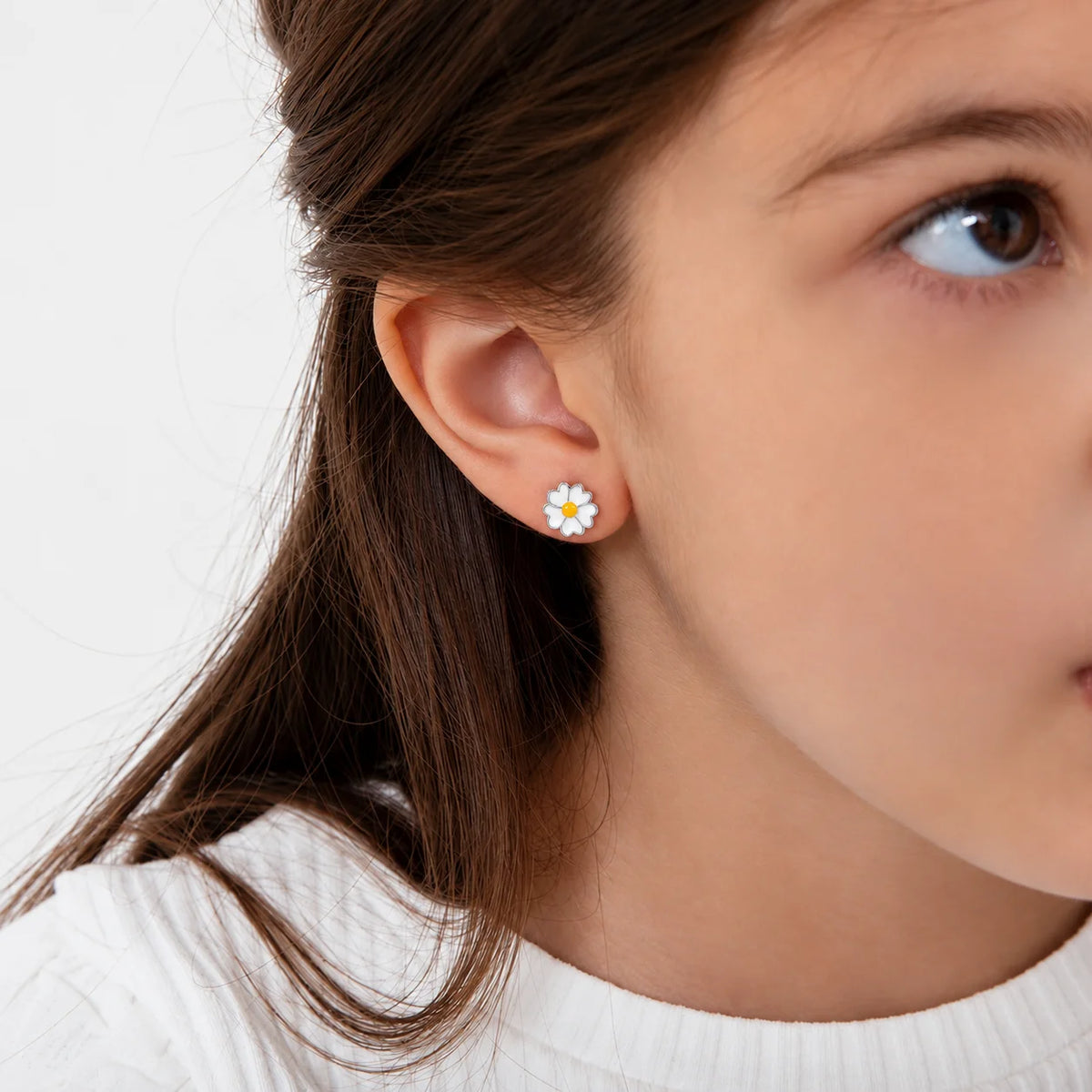


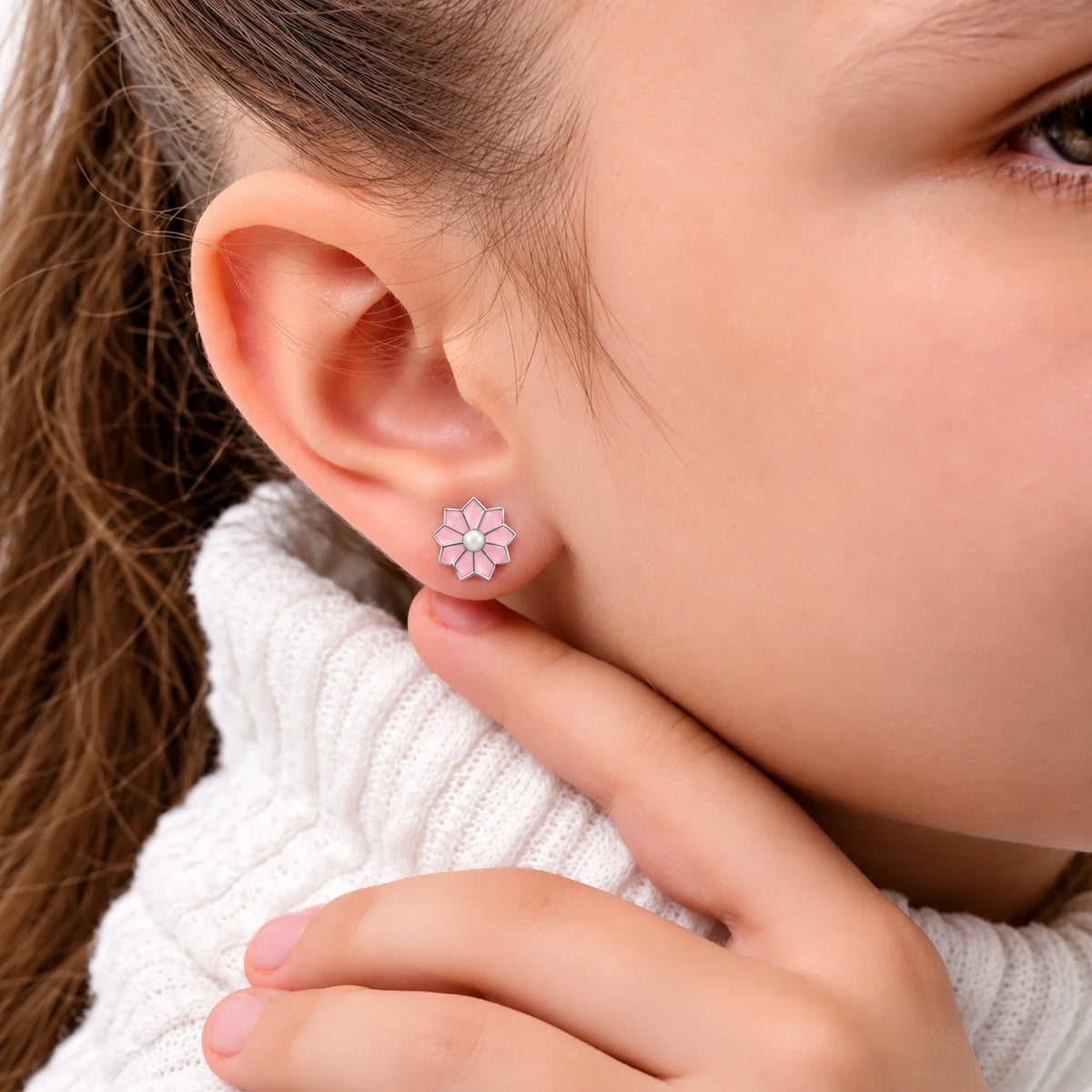




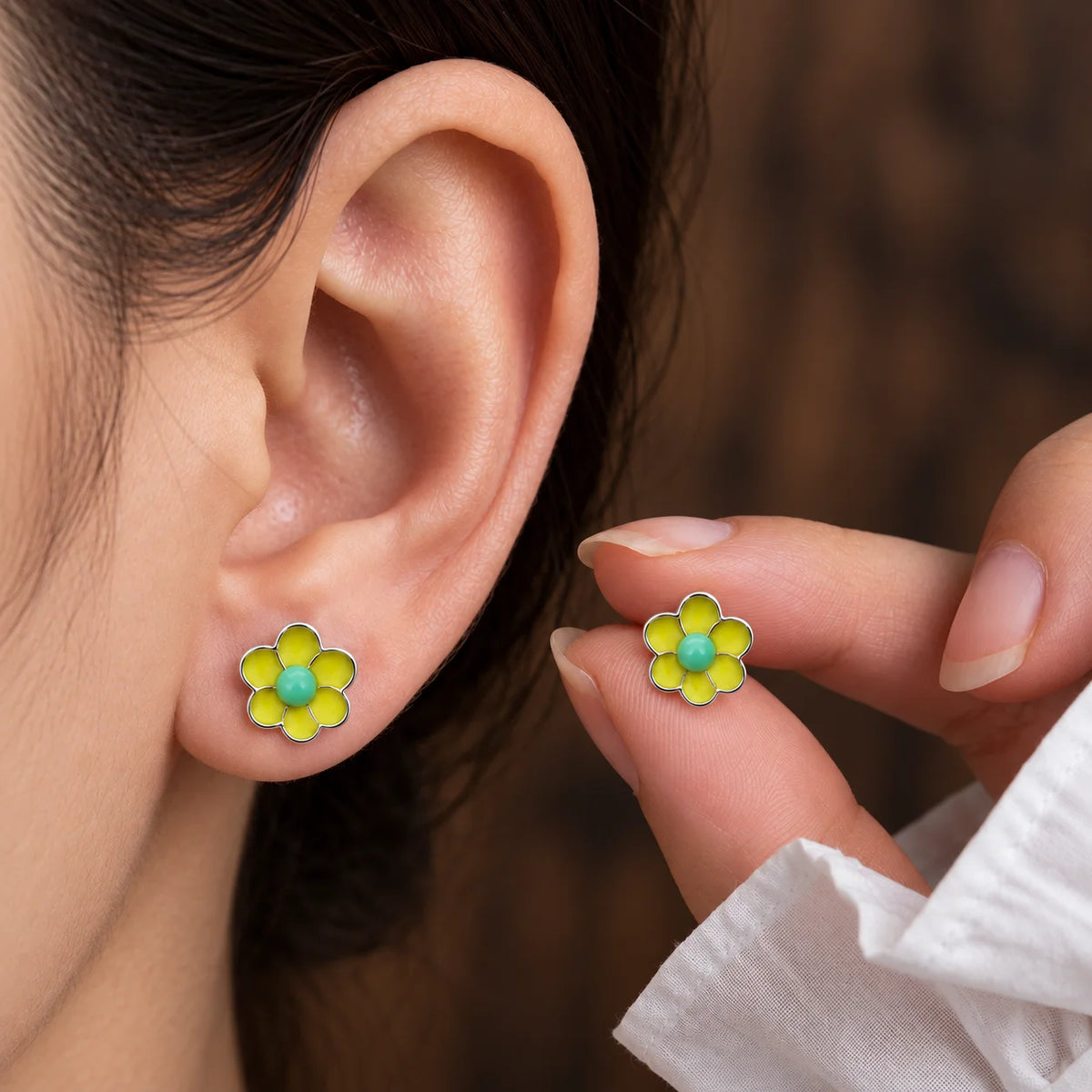
Silver jewellery for kids, made child-safe
Children's jewellery has a different specification from adult jewellery, not just a smaller one. Hypoallergenic metal matters more on young skin, edges have to be finished rather than merely deburred, and no component can be small enough to come loose.
Everything in this range is 925 sterling silver: 92.5% pure silver alloyed for hardness, finished to resist tarnish, and free of nickel and lead so it sits safely on reactive skin. Pieces are made and stocked in India and dispatched within 24 hours.
What makes jewellery safe for a child?
Three things, and all of them are specification rather than design. The metal has to be nickel-free and lead-free, because children's skin reacts more readily than adult skin and lead has no safe level of contact. Edges have to be properly finished rather than merely deburred, since a child will not take a piece off because it is catching. And no component can be small enough to come loose and be swallowed.
Pieces here are built to that specification from the start, rather than being adult designs reproduced at a smaller scale - which is the usual shortcut and the reason so much children's jewellery has sharp settings.
What age is this suitable for?
Most of the pendants and studs suit roughly five years and upwards, which is around the age most children can manage a clasp and understand not to pull at a chain.
Below that, jewellery should be supervised, and taken off for sleep and for active play regardless of what it is made of. Anything worn round the neck is a snag risk during climbing and rough play.
Will it survive school?
The anti-tarnish finish handles daily wear, including hand-washing and sport. What does not survive school is length: long chains catch on bag straps, collars and other children.
Studs and short pendants are the formats that last. If a piece is going to be worn to school every day, that is the shape to choose.
Buying as a gift for a child
Silver is the straightforward choice for gifting to a child precisely because it is hypoallergenic and inexpensive enough to replace if lost - which, realistically, is a consideration.
Sizing is more forgiving than for adults too. A pendant on an adjustable chain grows with the child for several years rather than being outgrown in one season.
How to care for a child's jewellery
Children's jewellery needs cleaning more often than adult jewellery, for the straightforward reason that it encounters more. Food, paint, sand and chlorine all accumulate faster, and all of them dull silver. A wipe with a soft dry cloth after wear removes most of it before it has a chance to build up.
Establish a place for it. The most common way children's jewellery is lost is not breakage but being taken off at a pool, a friend's house or a sports lesson and never retrieved. A small box kept in one place, with jewellery taken off and put there at the same point every evening, solves almost all of it.
Check clasps and earring backs monthly. Children are harder on fittings than adults, and a clasp that is beginning to fail gives warning by feeling loose before it actually opens.
How do you stop silver from tarnishing?
Put jewellery on last and take it off first. Tarnish is a reaction between silver and sulphur compounds in air, sweat and cosmetics, so what dulls a piece is almost never ordinary wear — it is perfume, hairspray, sunscreen, hand sanitiser and chlorine. Dressing first, spraying second and putting jewellery on last removes most of that contact in one habit.
An anti-tarnish finish slows the reaction considerably but does not stop it, and nor should it: tarnish is evidence that the metal is genuinely silver. When a piece does dull, a soft dry cloth brings it back in under a minute. Avoid toothpaste and household cleaners, which are abrasive enough to scour the polish off along with the tarnish, and avoid silver dips on anything oxidised, because they strip the darkening the design depends on.
How should silver be stored?
Dry, dark and separate. Moisture accelerates tarnish, which is why a bathroom shelf is the worst place in the house for jewellery and a bedroom drawer is among the best. Each piece should have its own pouch or compartment, because silver is soft enough to scratch silver and a drawer of loose pieces grinds against itself every time it is opened.
For anything worn rarely, a sealed bag removes the air that causes the reaction in the first place; a piece stored that way can come out a year later unchanged. Chains should be clasped before storing, since almost all tangling happens to an open chain moving loose.