
Filters
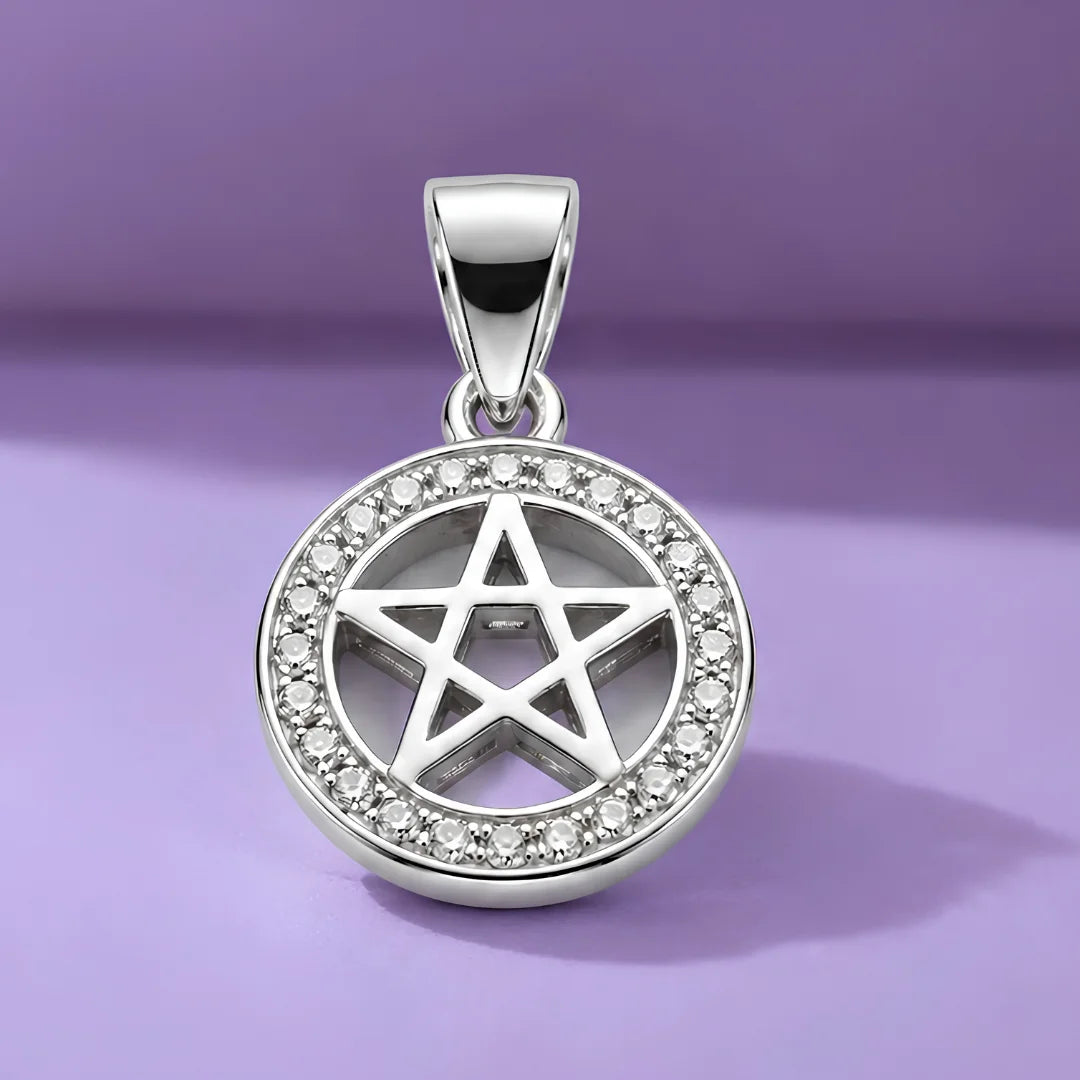
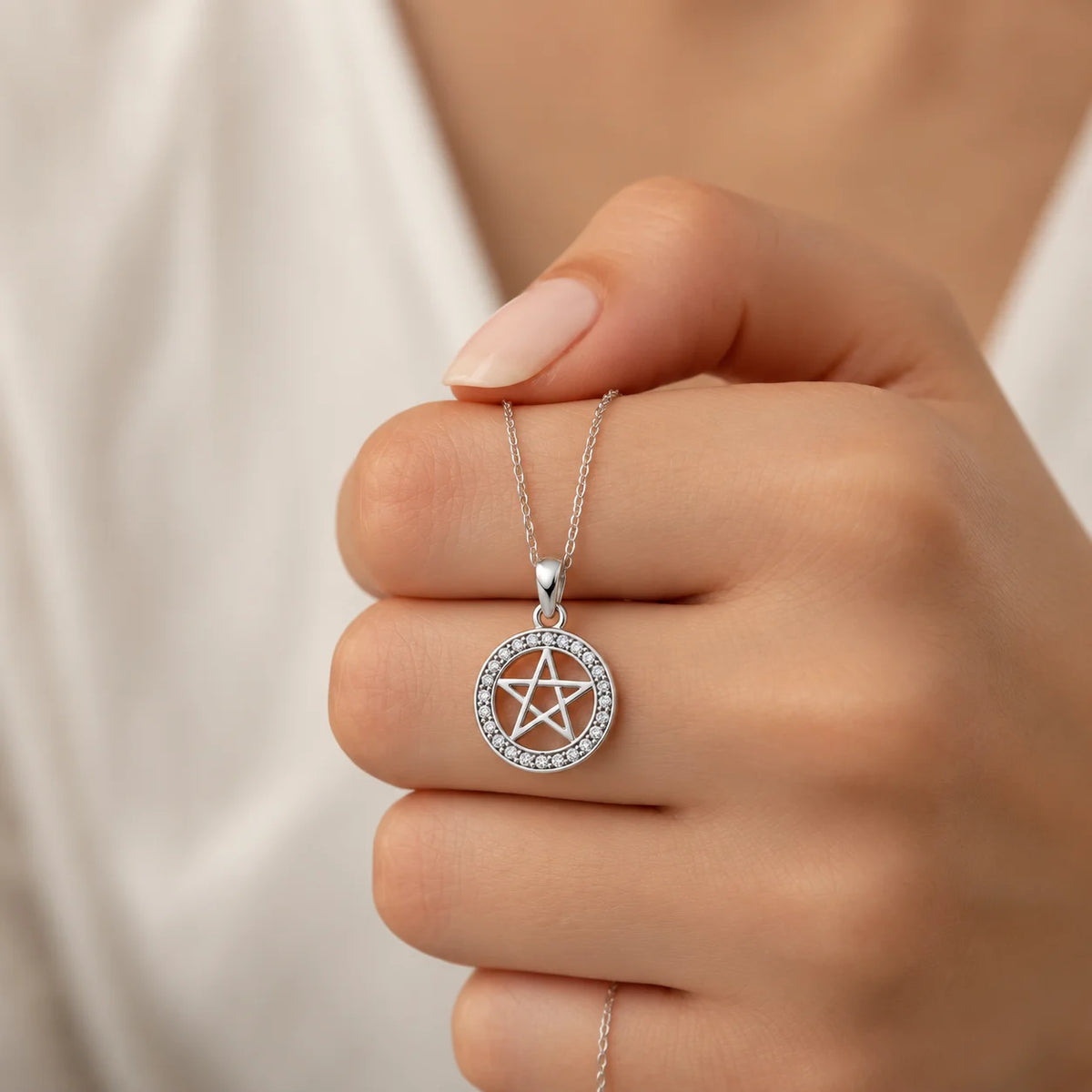
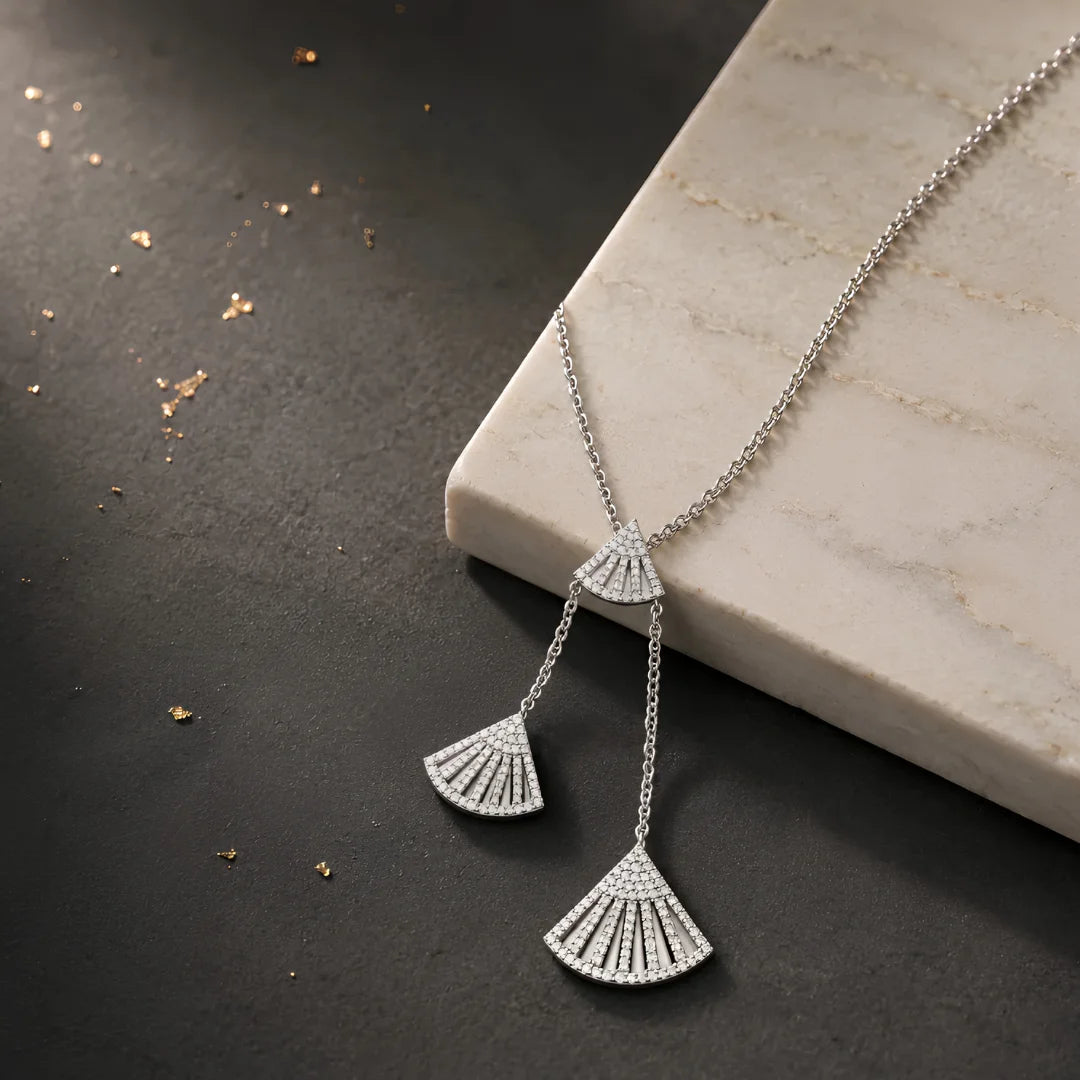
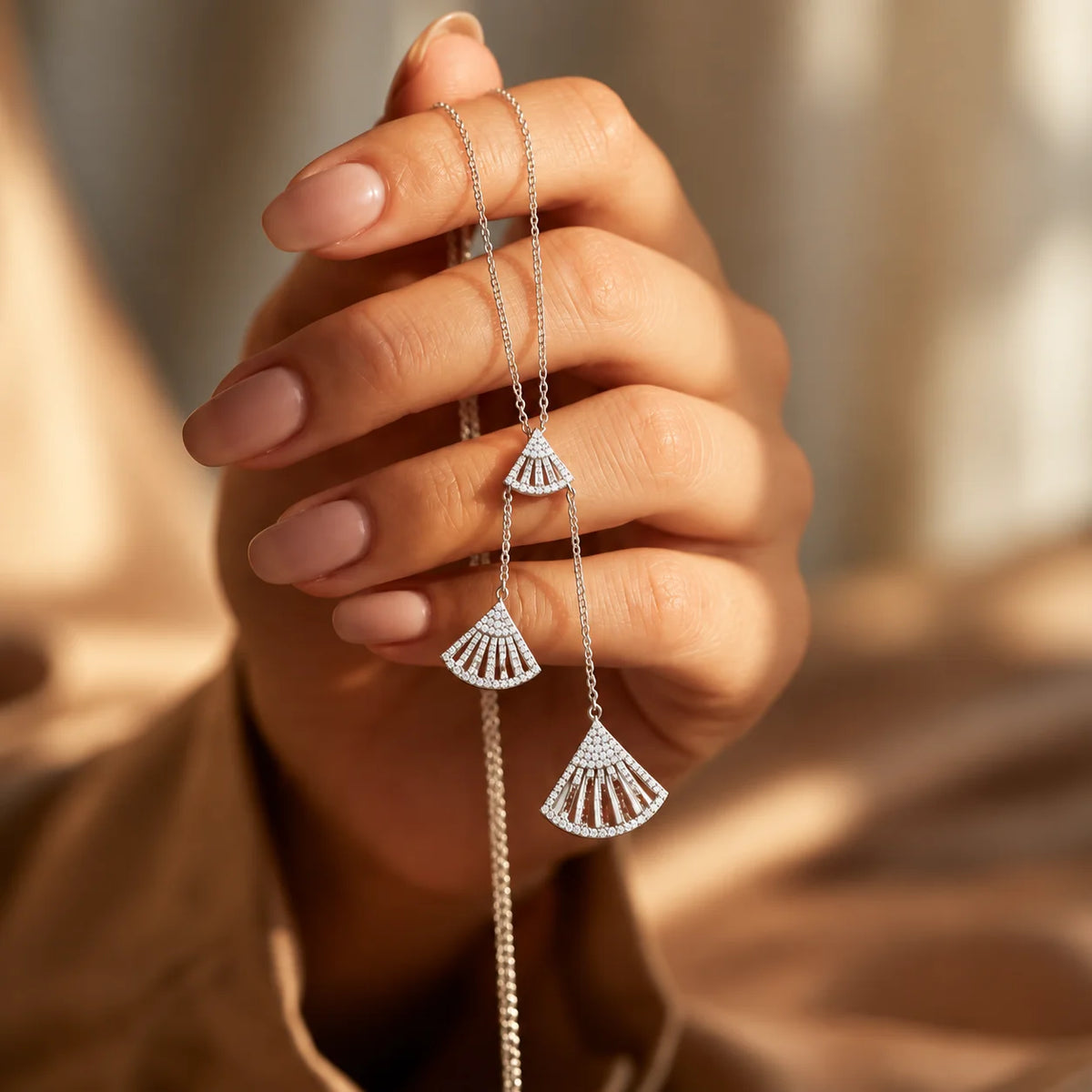
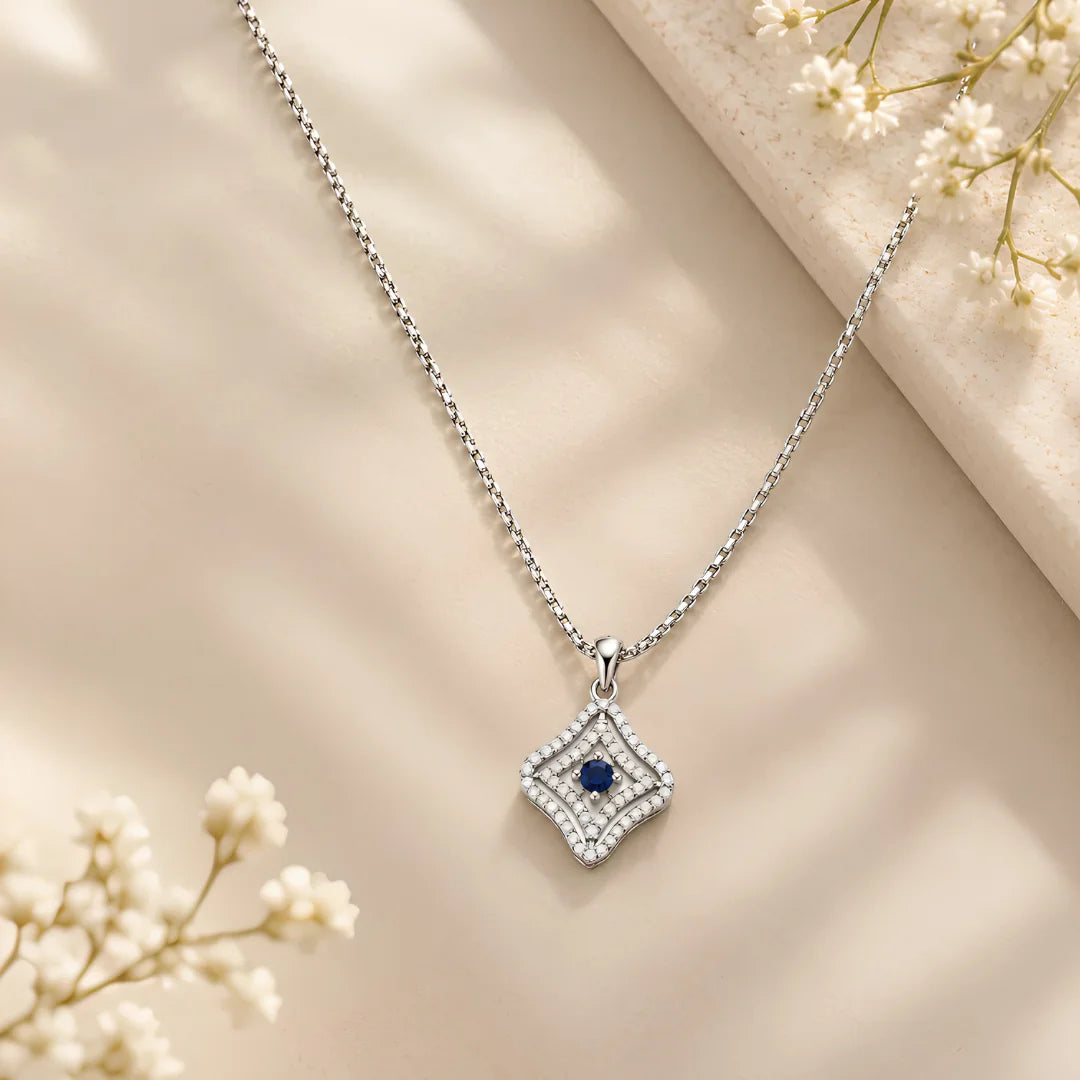
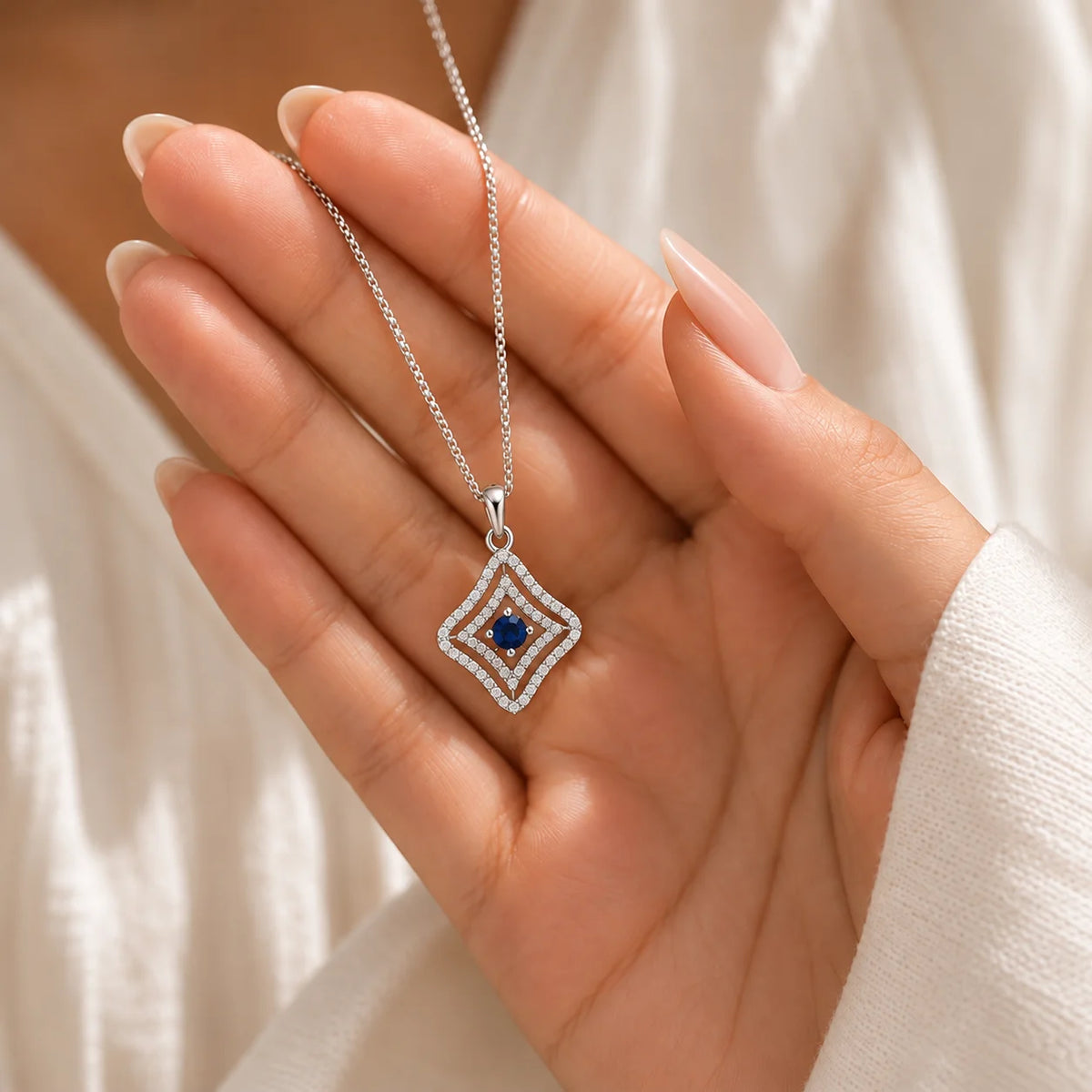
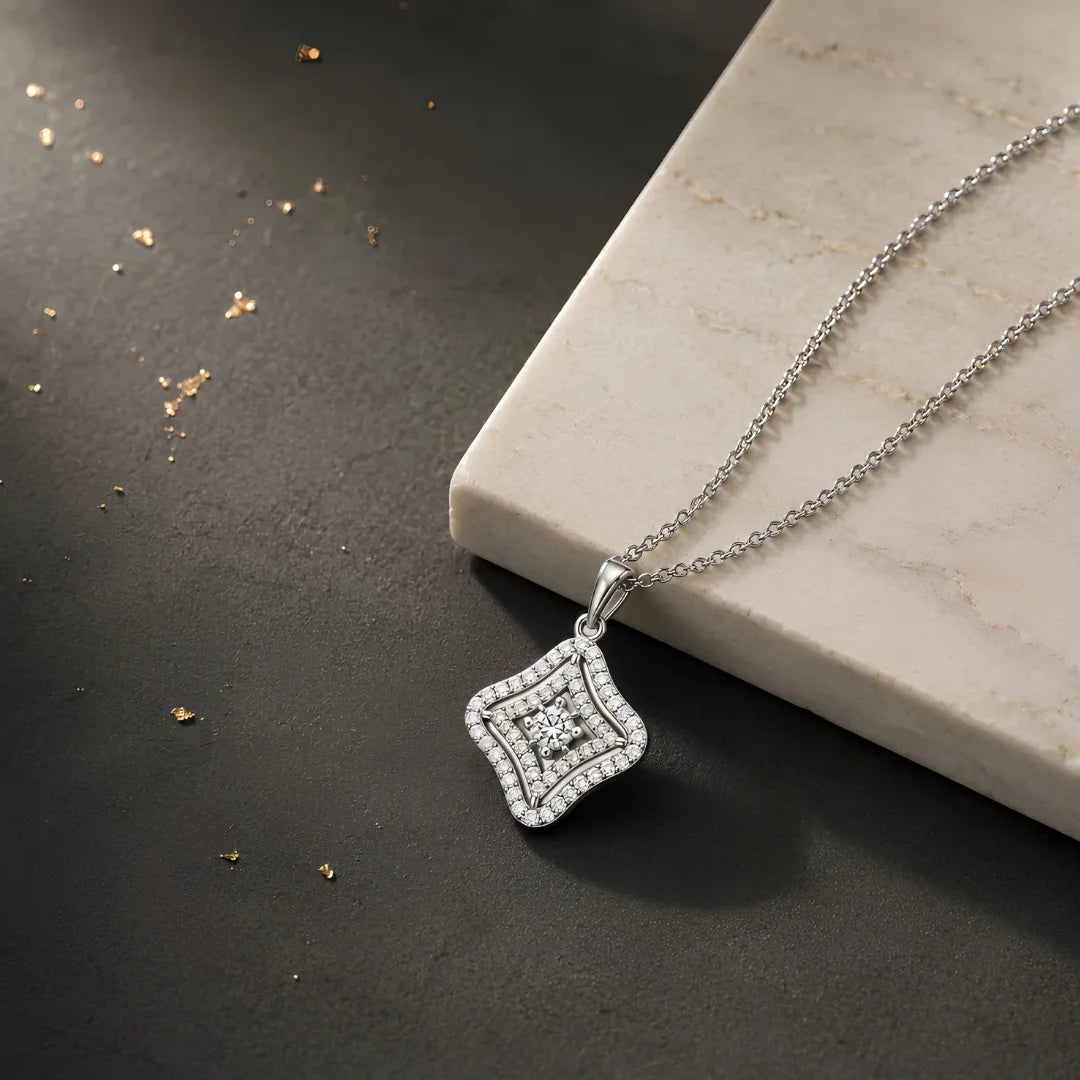
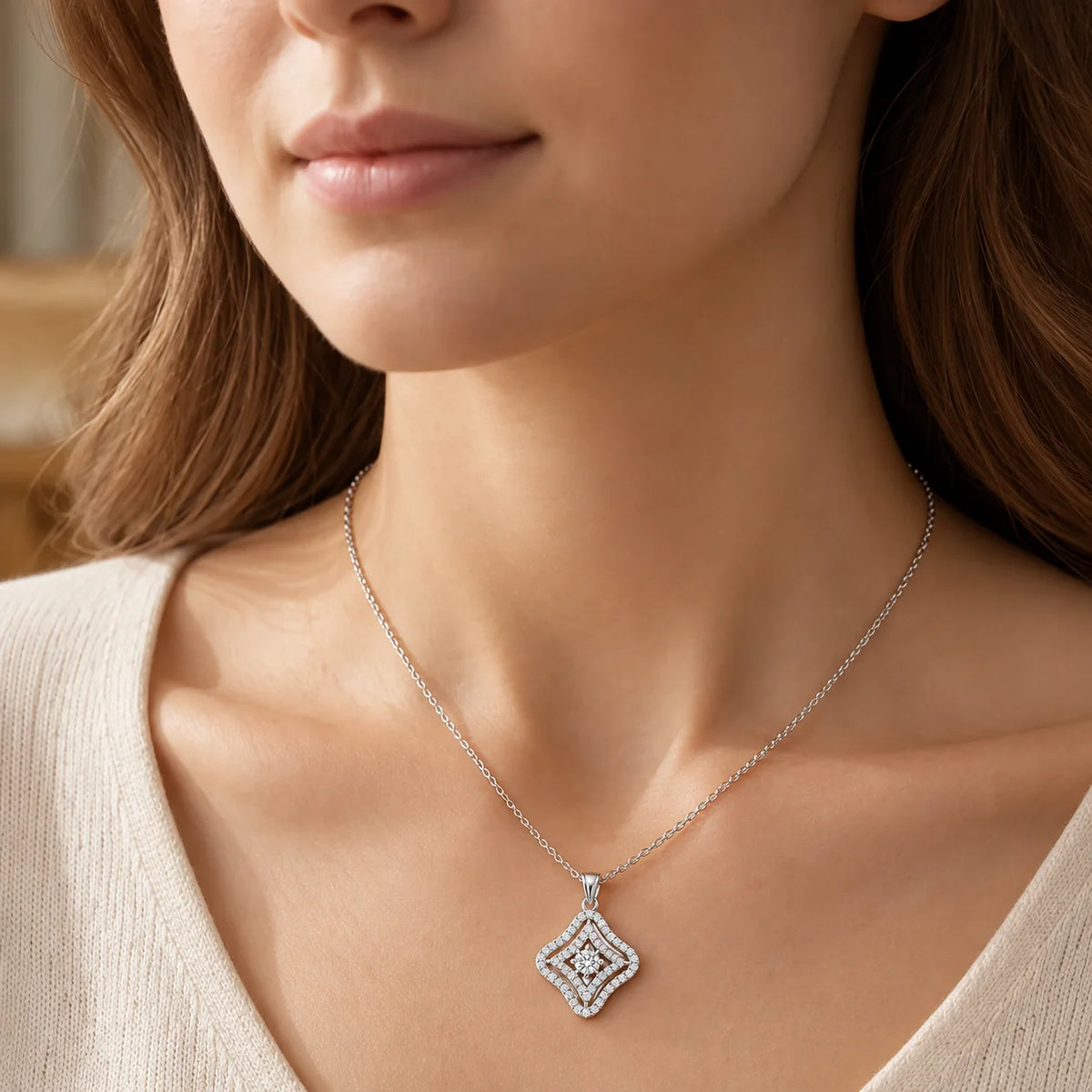


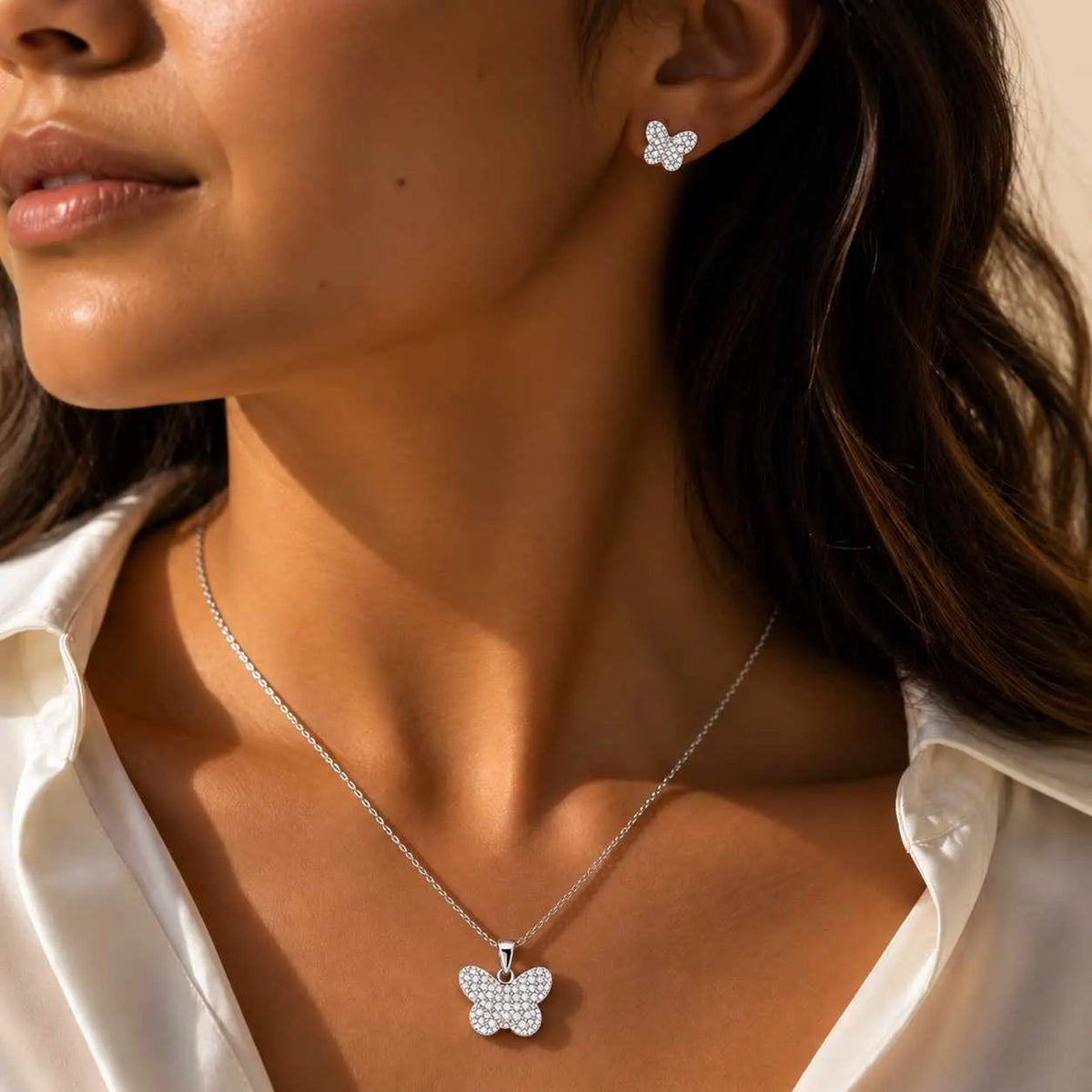

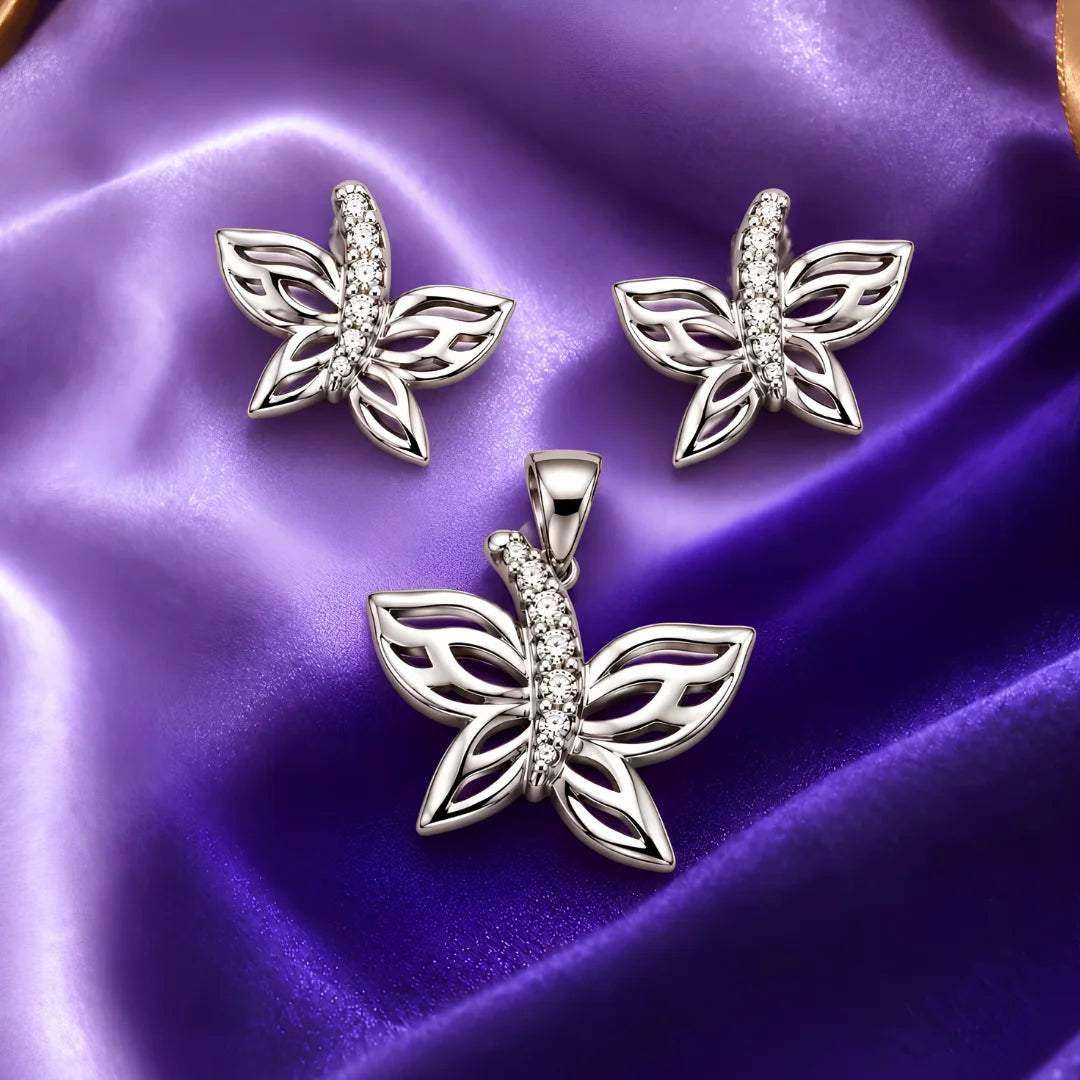
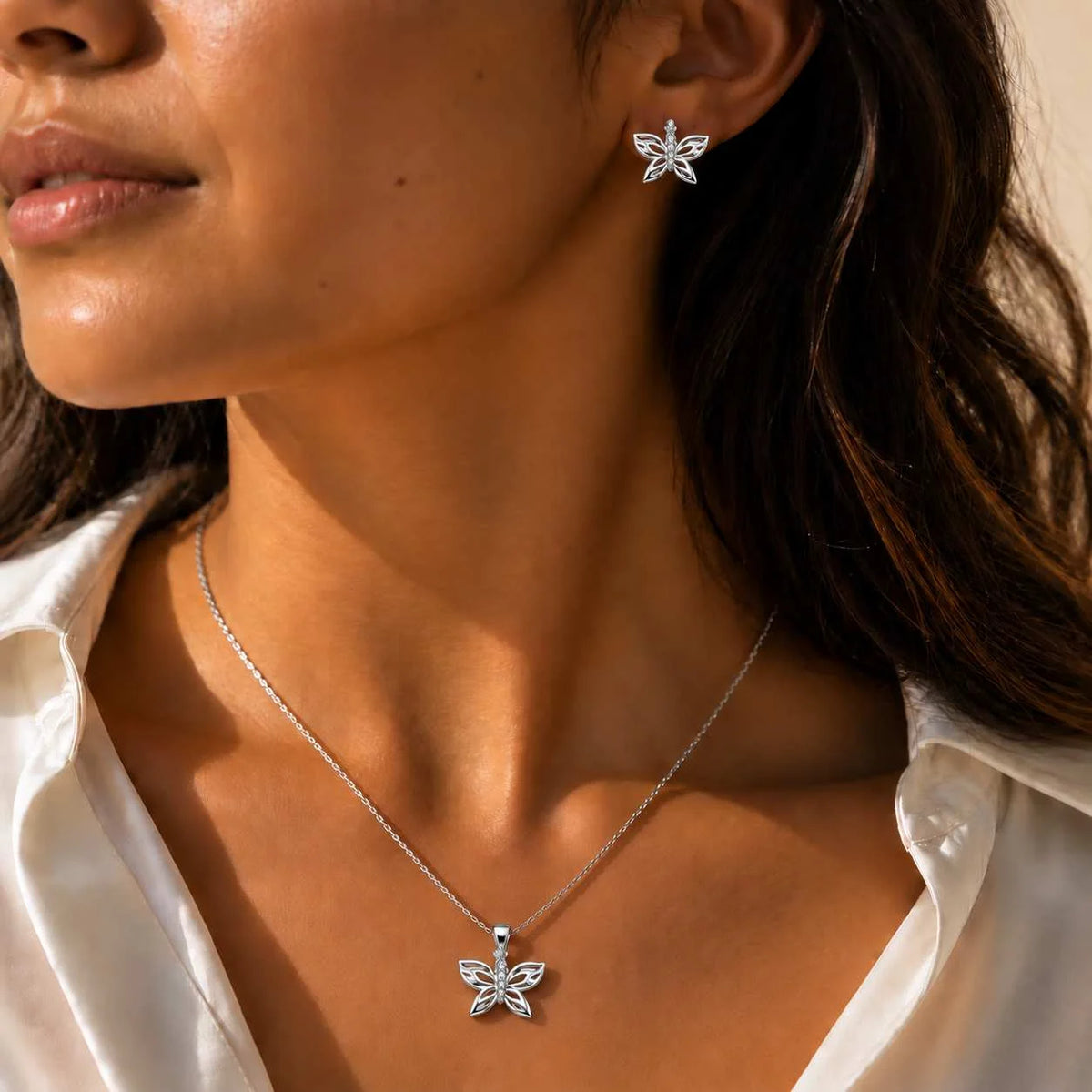
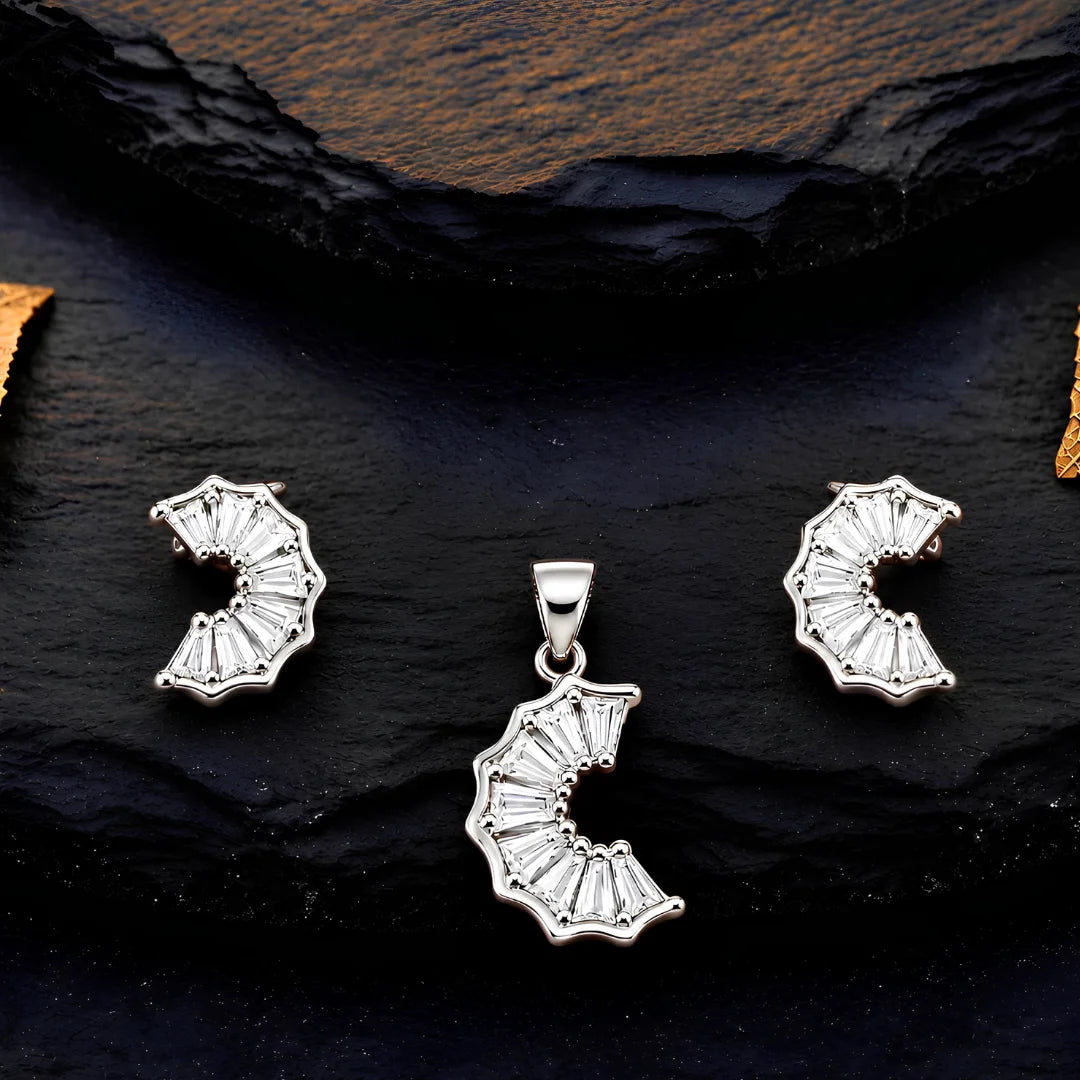



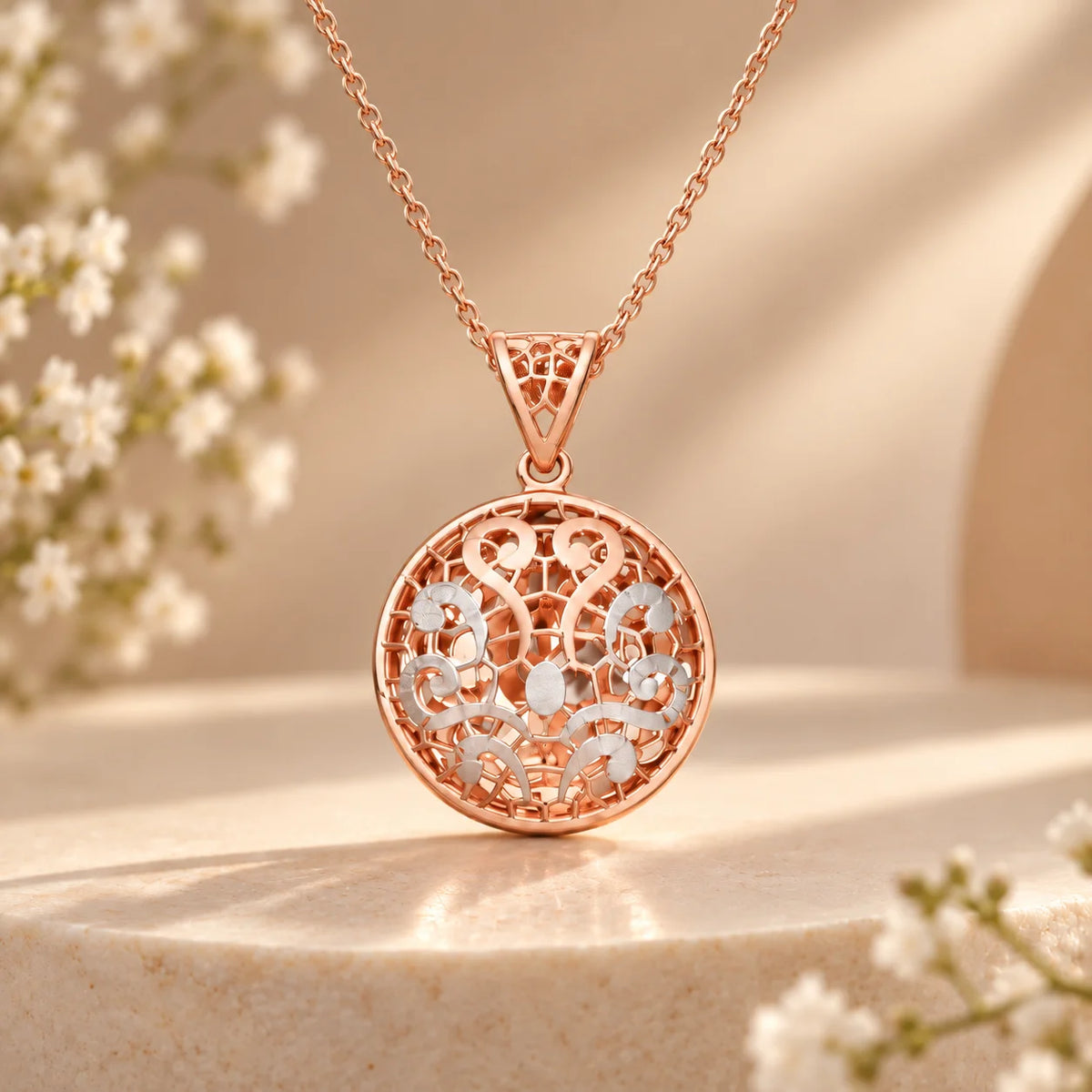

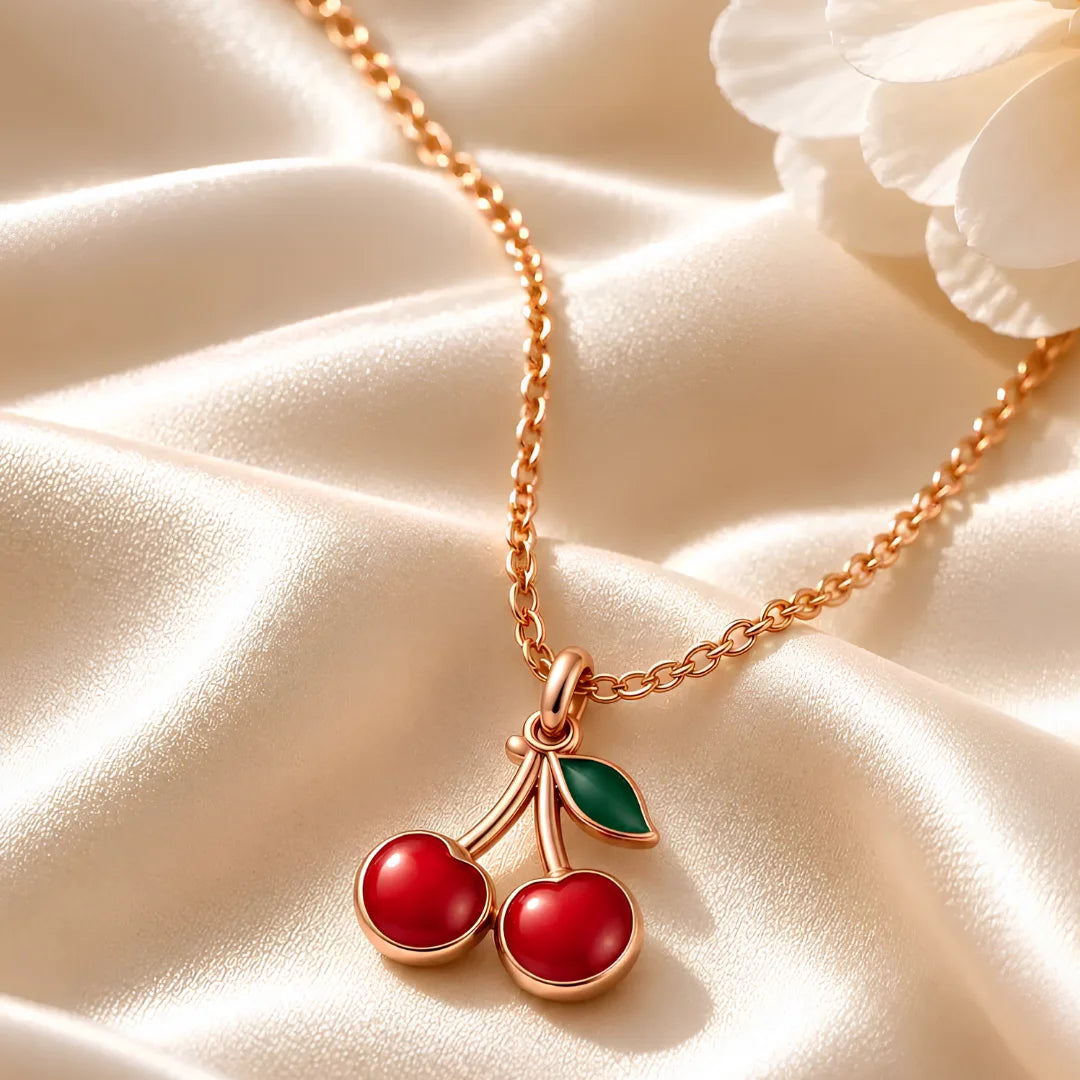


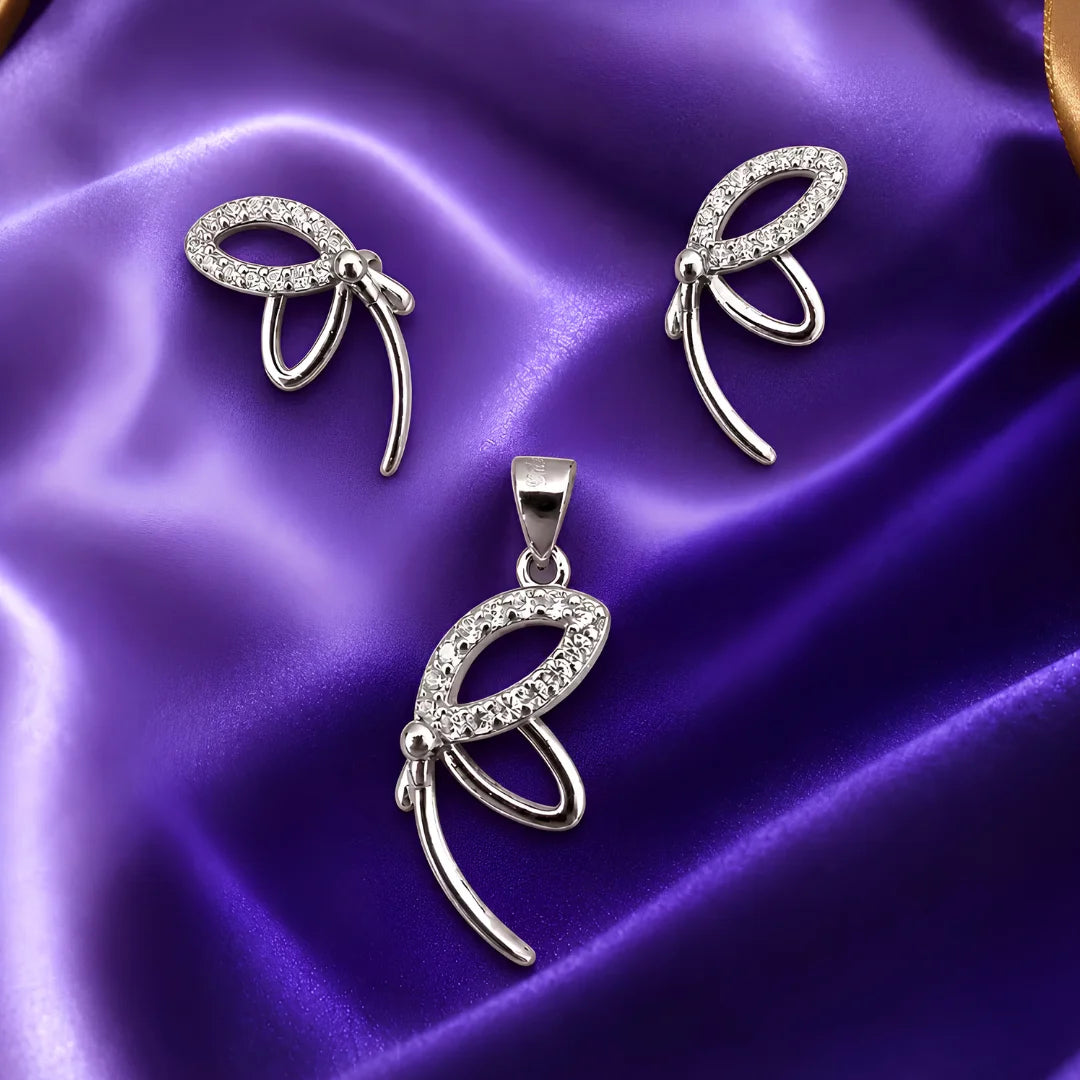

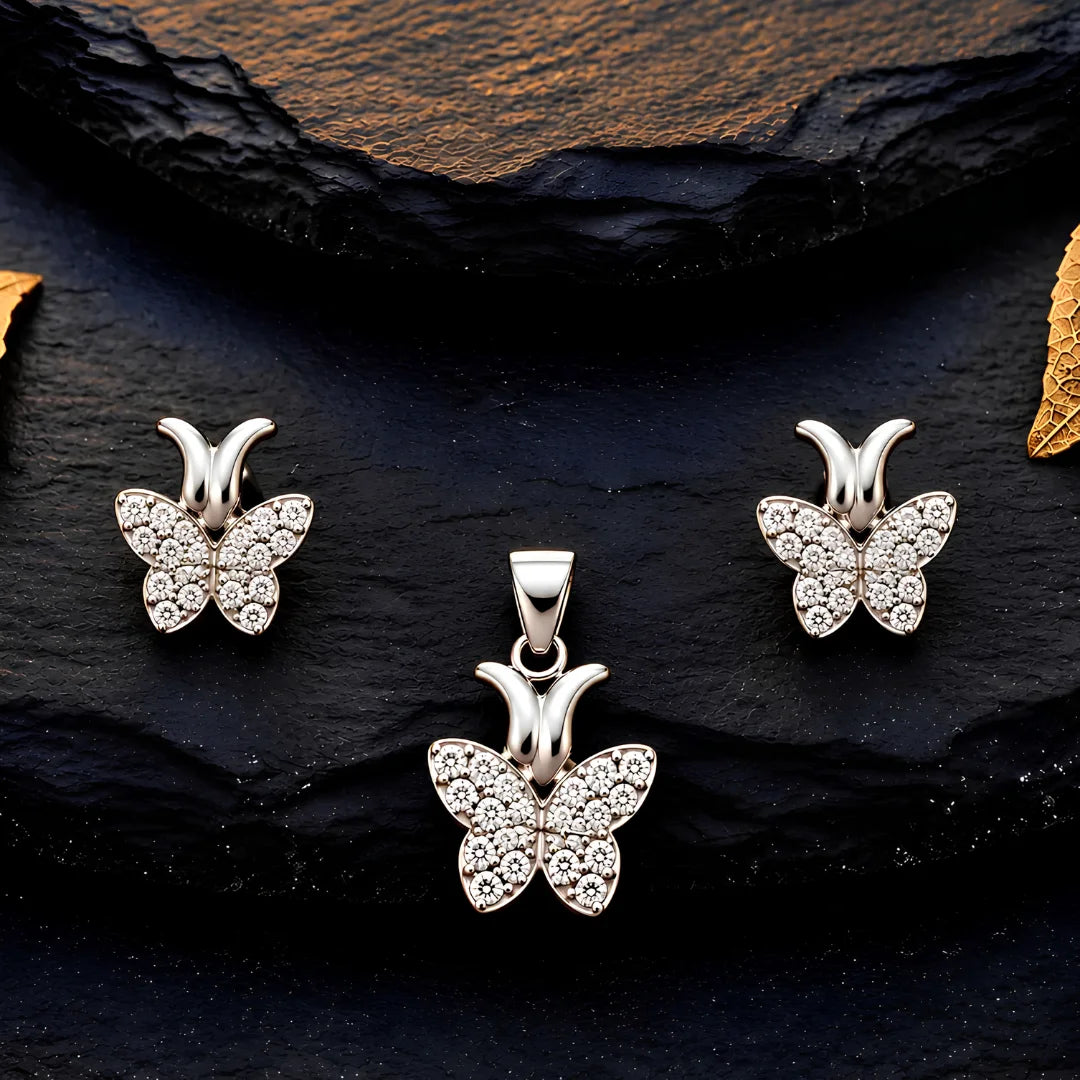





Showing 24 of 48
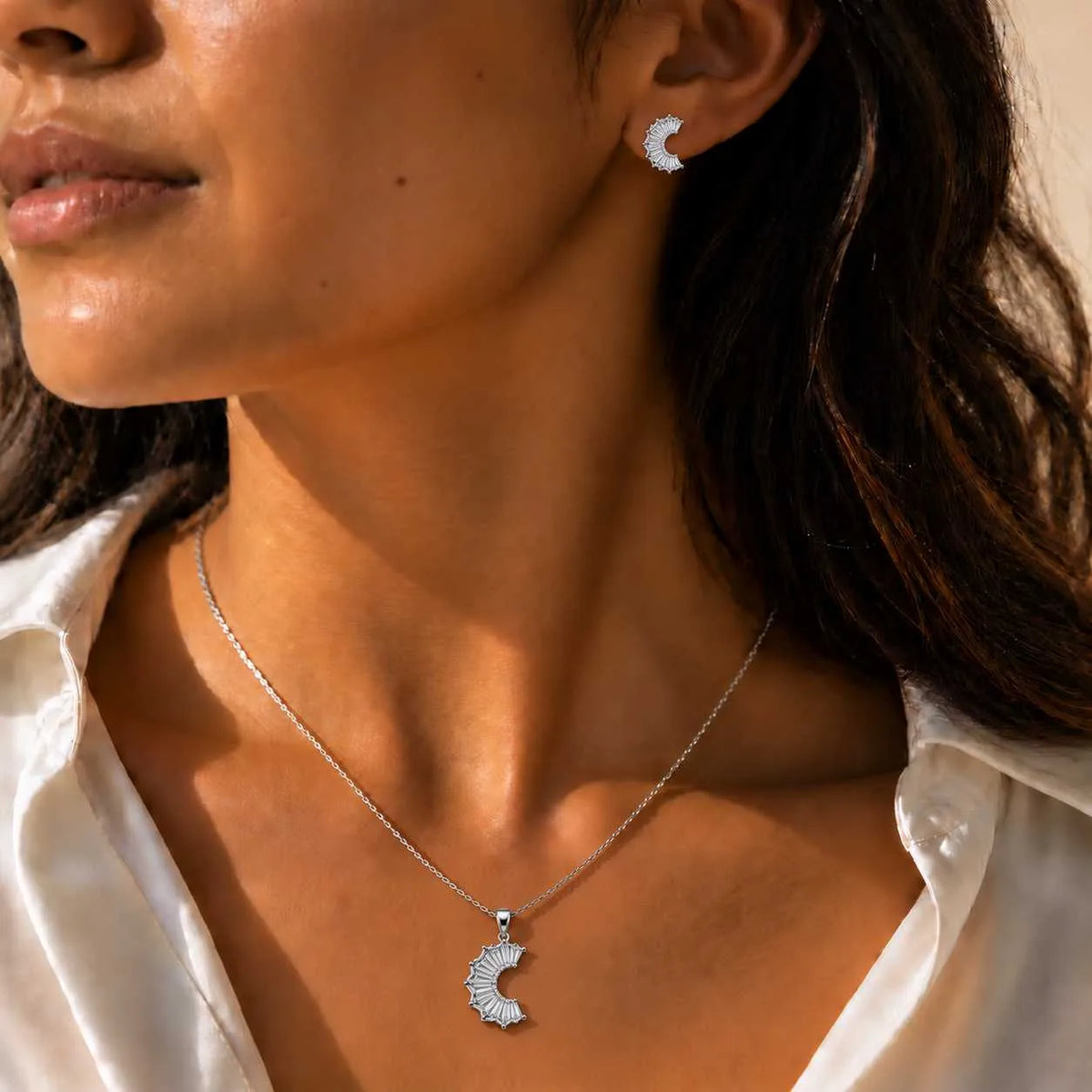
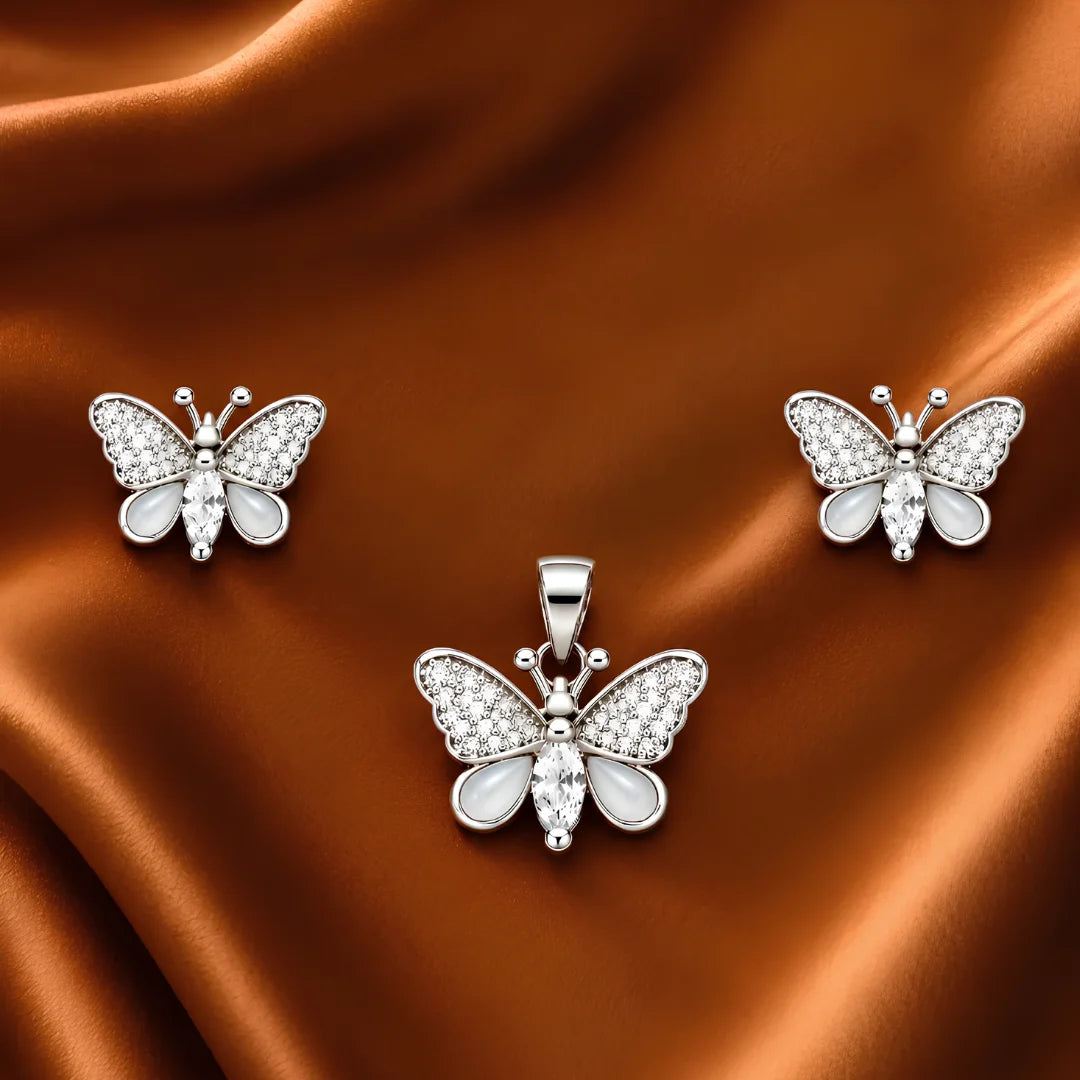
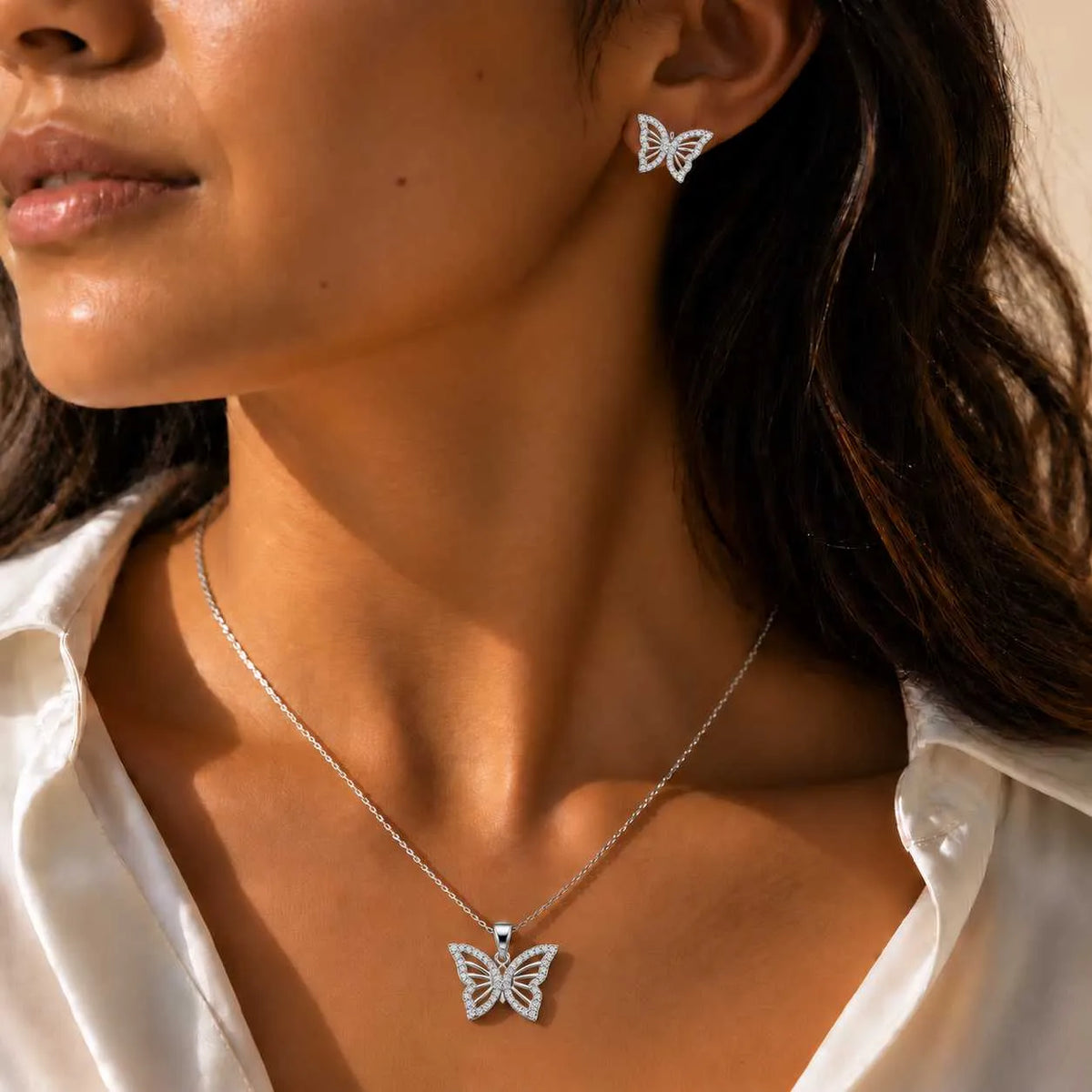
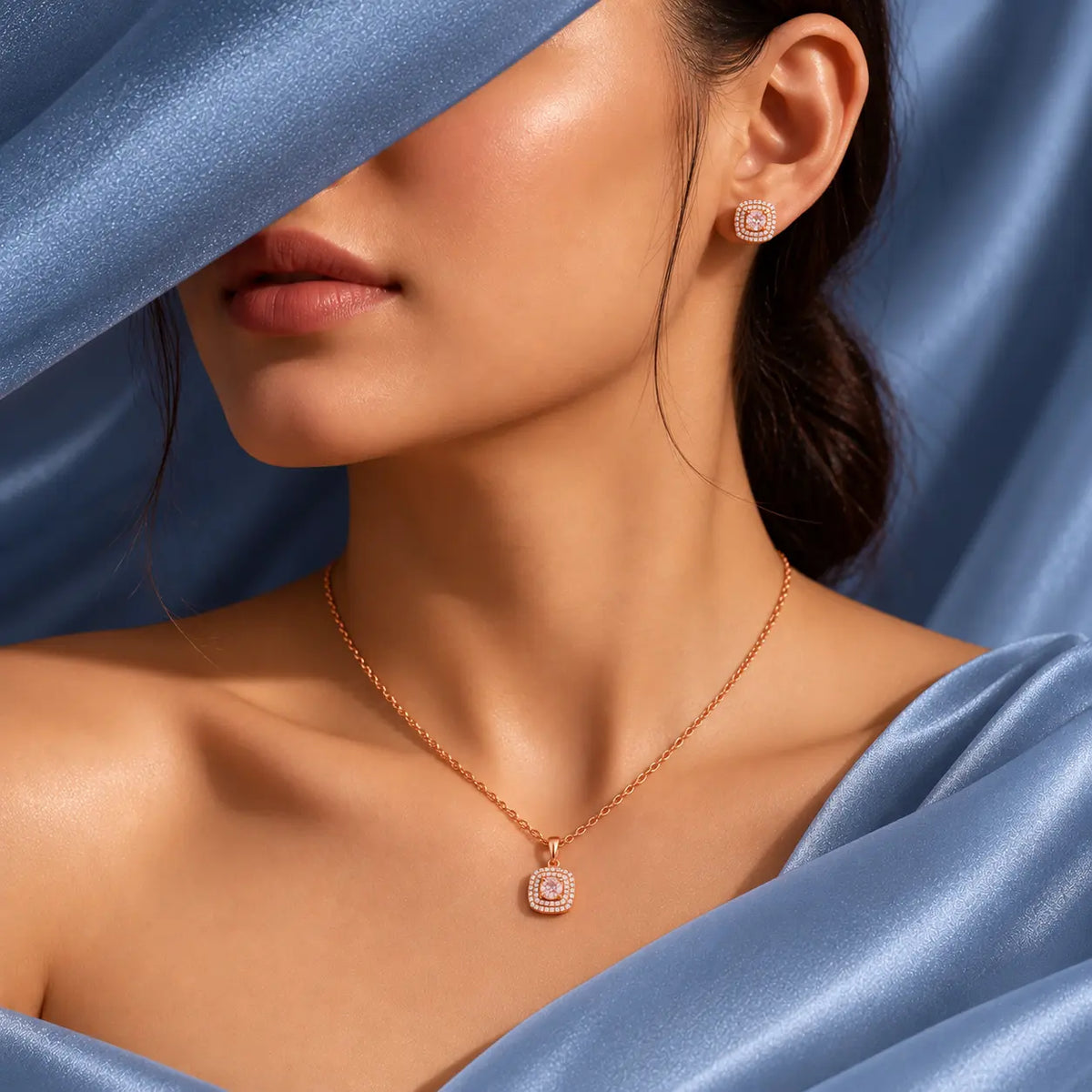
Party wear silver jewellery for evenings
Evening jewellery is judged under low, directional light, where a piece either catches it or disappears. That favours more stone surface and higher polish than daytime pieces, and smaller, denser arrangements over large flat areas.
Everything in this range is 925 sterling silver: 92.5% pure silver alloyed for hardness, finished to resist tarnish, and free of nickel and lead so it sits safely on reactive skin. Pieces are made and stocked in India and dispatched within 24 hours.
How much jewellery is right for the occasion?
Choose one piece to lead and let the others support it. If the necklace carries stone work, keep the earrings to studs. If the earrings are the statement, leave the neckline clear or wear a plain chain.
The reason is practical rather than aesthetic. Festive jewellery is mostly seen in photographs, and two competing pieces at the same eye level flatten into visual noise in a photograph in a way they do not in a mirror.
Will silver work with traditional outfits?
Yes, and on most palettes it is easier to place than gold. Silver sits cleanly against jewel tones, pastels and white, where yellow gold can compete with the fabric rather than complement it.
Oxidised silver in particular holds its own next to heavy embroidery, because the darkened recesses give it enough contrast not to be swallowed by a busy surface. Polished silver works better against plain fabric where it can reflect cleanly.
Dressing for warm indoor light
Almost every festive occasion in India happens under warm artificial light, and that light changes how jewellery reads. Warm light flattens yellow metal, because the metal and the light are close in colour. Silver stays distinct from it, which is why it photographs with more definition in exactly these conditions.
Clear stones behave well for the same reason: they pick up the colour of the surrounding light rather than fighting it, so they take on the warmth of the room instead of looking out of place in it.
Buying for a specific date
Order with time in hand. Pieces are dispatched within 24 hours with free express delivery across India, but courier networks slow noticeably in the fortnight before a major festival, and that is outside anyone's control.
A week's margin is comfortable for most of the country. For a date that cannot move, two weeks removes the risk entirely.
Building a small set that covers most occasions
Most people need fewer pieces than they own, because a small number of well-chosen items recombine. A practical set is four: a plain fine chain, a pendant that can go on it, a pair of studs and one statement piece. That covers daily wear, office, dinner and a festival between them.
The chain and studs do the daily work and should be the lightest things you own, since they are worn most. The pendant converts the chain from plain to deliberate without needing a second necklace. The statement piece - whether that is a heavier necklace, a cluster earring or a kada - is the only item bought for occasions, and is the one place to spend more.
What this avoids is the common pattern of owning several mid-weight pieces that are all slightly too much for daily wear and slightly too little for an occasion, which is how jewellery ends up unworn in a drawer.
How do you stop silver from tarnishing?
Put jewellery on last and take it off first. Tarnish is a reaction between silver and sulphur compounds in air, sweat and cosmetics, so what dulls a piece is almost never ordinary wear — it is perfume, hairspray, sunscreen, hand sanitiser and chlorine. Dressing first, spraying second and putting jewellery on last removes most of that contact in one habit.
An anti-tarnish finish slows the reaction considerably but does not stop it, and nor should it: tarnish is evidence that the metal is genuinely silver. When a piece does dull, a soft dry cloth brings it back in under a minute. Avoid toothpaste and household cleaners, which are abrasive enough to scour the polish off along with the tarnish, and avoid silver dips on anything oxidised, because they strip the darkening the design depends on.
How should silver be stored?
Dry, dark and separate. Moisture accelerates tarnish, which is why a bathroom shelf is the worst place in the house for jewellery and a bedroom drawer is among the best. Each piece should have its own pouch or compartment, because silver is soft enough to scratch silver and a drawer of loose pieces grinds against itself every time it is opened.
For anything worn rarely, a sealed bag removes the air that causes the reaction in the first place; a piece stored that way can come out a year later unchanged. Chains should be clasped before storing, since almost all tangling happens to an open chain moving loose.