
Filters









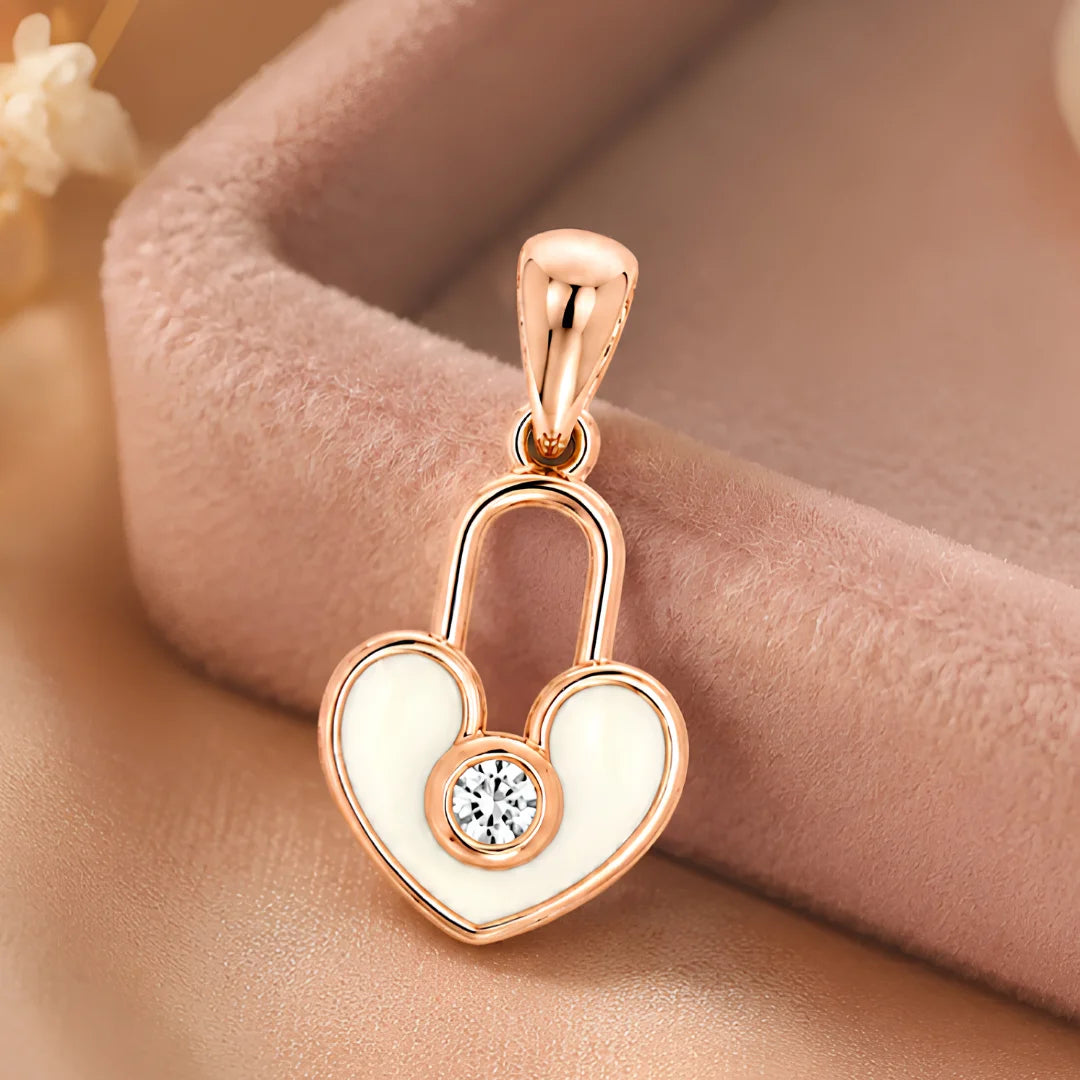
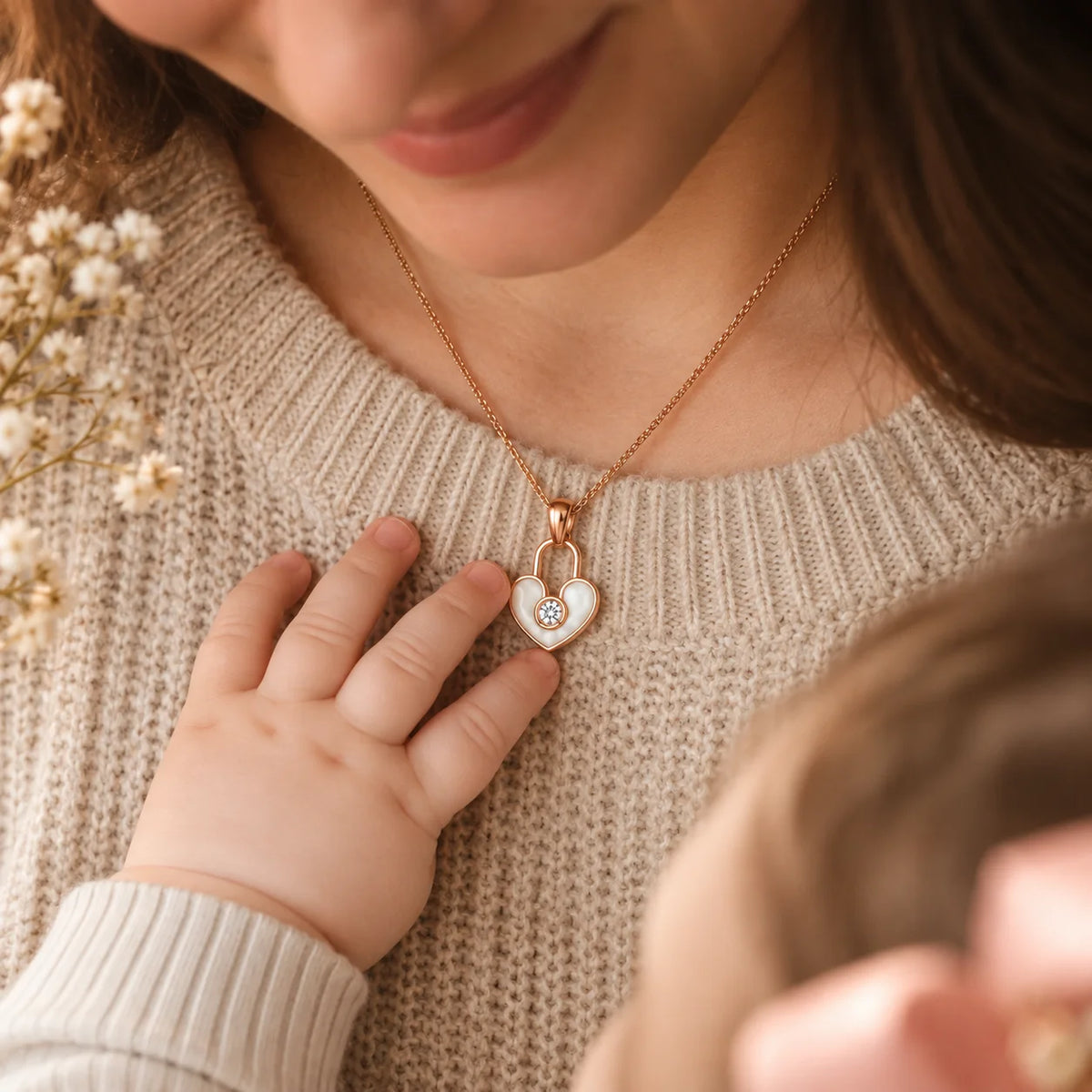
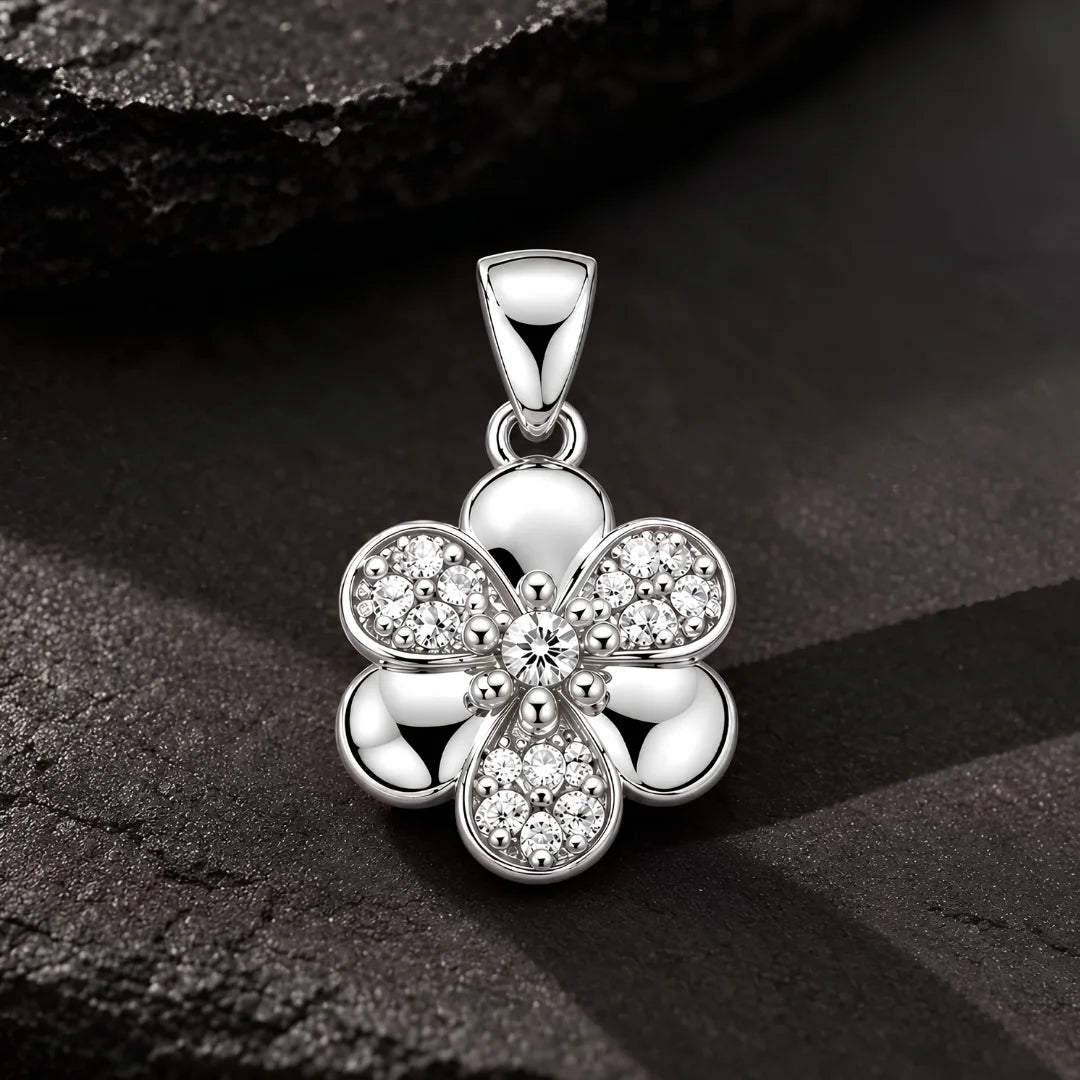
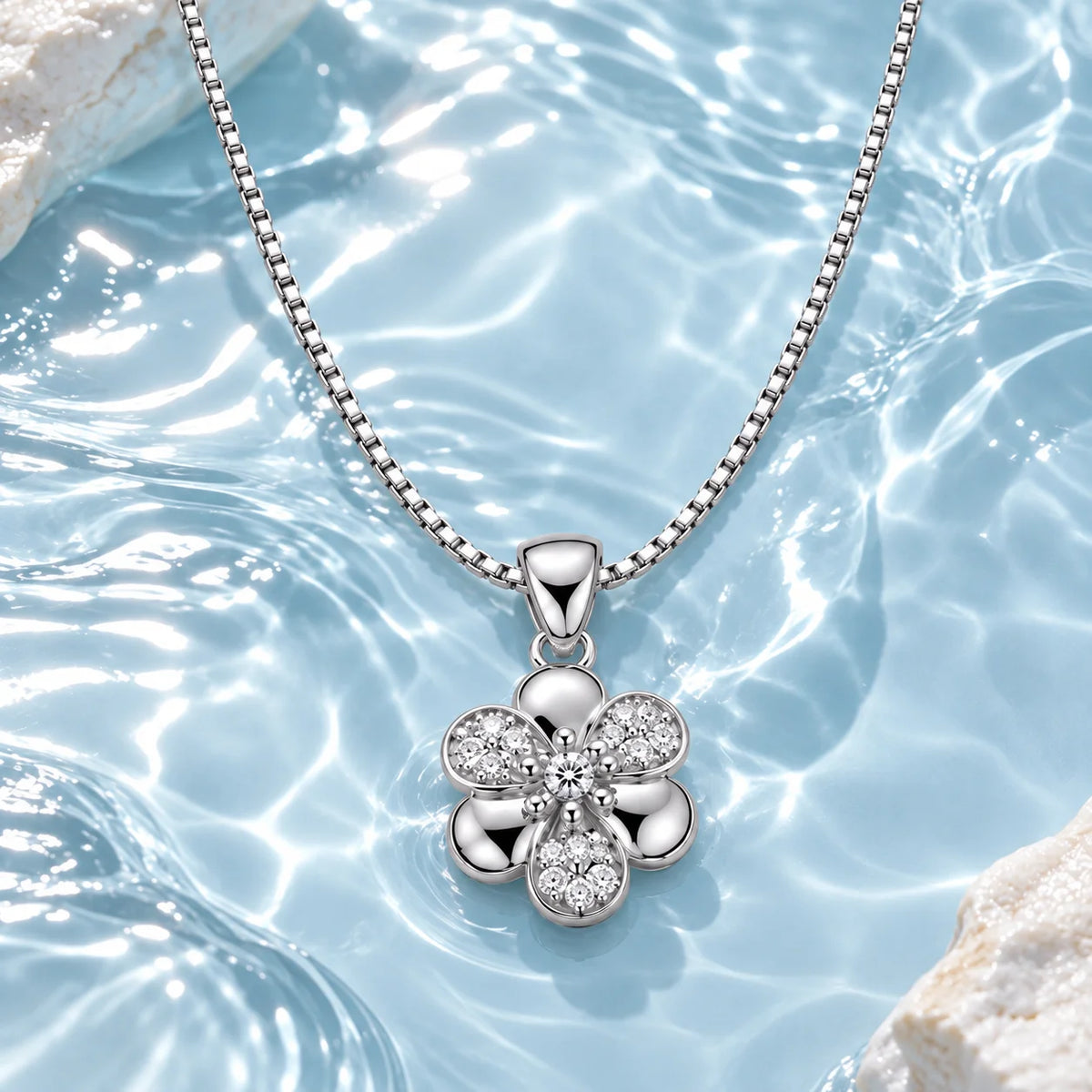
Showing 178 of 178
Silver pendants and pendant sets in 925 sterling
Pendants are sold two ways, and the difference matters before you buy. Some come with a chain matched to the piece; others are the pendant alone, meant for a chain you already own. The bail - the loop the chain passes through - determines which chains will actually fit.
Everything in this range is 925 sterling silver: 92.5% pure silver alloyed for hardness, finished to resist tarnish, and free of nickel and lead so it sits safely on reactive skin. Pieces are made and stocked in India and dispatched within 24 hours.
Does the pendant come with a chain?
Check the product title first. Anything marked 'without chain' is the pendant alone, intended for a chain you already own. Everything in the chain-and-pendant range ships with a chain matched to the piece at manufacture.
If you are buying a pendant on its own, the measurement that matters is the bail - the loop the chain passes through. A narrow bail will not accept a thick rope chain, and an oversized bail lets a fine chain slide and twist. Most pendants here take a standard fine to medium chain.
What size pendant works for everyday wear?
Under roughly 3 cm tall is the practical limit for a piece worn every day. At that size the chain stays flat against the skin, the pendant does not swing when you move, and the clasp stays at the back of the neck where it belongs.
Above 3 cm, the pendant starts to dictate the chain. It needs more weight behind it to stay centred, which means a heavier chain, which in turn makes the whole piece more noticeable - fine for an occasion, tiring as a daily habit.
How is the motif made, and why does it matter?
A motif can be struck in relief, cast, or printed onto a flat surface. Relief and casting both give the design real depth, so light falls differently across the raised and recessed areas and the features stay legible at arm's length. Printing sits on the surface and flattens out, and it is the first thing to go as the piece is handled.
Depth is also what makes oxidised finishes work on a pendant. The darkening settles into the recesses and wears off the high points, which increases contrast over time rather than degrading it.
Sold alone or as a set?
A pendant bought alone gives you control: you choose the chain length, the chain weight and whether to pair it with earrings at all. That suits someone who already owns chains they like.
A set removes the decisions. The pendant and earrings are finished together, so the metal tone and stone colour match exactly - which is harder to achieve by buying separately than people expect, because silver finishes vary subtly between production runs.
How to pair a pendant with a chain
If you are buying a pendant alone, three measurements decide what chain will work. The bail width sets the maximum chain thickness that will physically pass through. The pendant weight sets the minimum chain weight needed to keep it centred rather than letting the clasp travel. And the pendant height sets the sensible chain length, because a tall pendant on a short chain crowds the throat.
As a rule, a pendant under 2 cm sits well on a fine chain at 44 cm. Between 2 and 3 cm, move to a medium-weight chain. Above 3 cm, use a heavier chain and consider dropping to a 50 cm length so the piece has room to hang clear of the collarbone.
Mixing finishes is a deliberate decision rather than a mistake, but it only reads as deliberate when the contrast is obvious. A rose-gold pendant on a silver chain works; a rose-gold pendant on a slightly different rose-gold chain looks like an accident.
How do you stop silver from tarnishing?
Put jewellery on last and take it off first. Tarnish is a reaction between silver and sulphur compounds in air, sweat and cosmetics, so what dulls a piece is almost never ordinary wear — it is perfume, hairspray, sunscreen, hand sanitiser and chlorine. Dressing first, spraying second and putting jewellery on last removes most of that contact in one habit.
An anti-tarnish finish slows the reaction considerably but does not stop it, and nor should it: tarnish is evidence that the metal is genuinely silver. When a piece does dull, a soft dry cloth brings it back in under a minute. Avoid toothpaste and household cleaners, which are abrasive enough to scour the polish off along with the tarnish, and avoid silver dips on anything oxidised, because they strip the darkening the design depends on.
How should silver be stored?
Dry, dark and separate. Moisture accelerates tarnish, which is why a bathroom shelf is the worst place in the house for jewellery and a bedroom drawer is among the best. Each piece should have its own pouch or compartment, because silver is soft enough to scratch silver and a drawer of loose pieces grinds against itself every time it is opened.
For anything worn rarely, a sealed bag removes the air that causes the reaction in the first place; a piece stored that way can come out a year later unchanged. Chains should be clasped before storing, since almost all tangling happens to an open chain moving loose.